
Main Courses
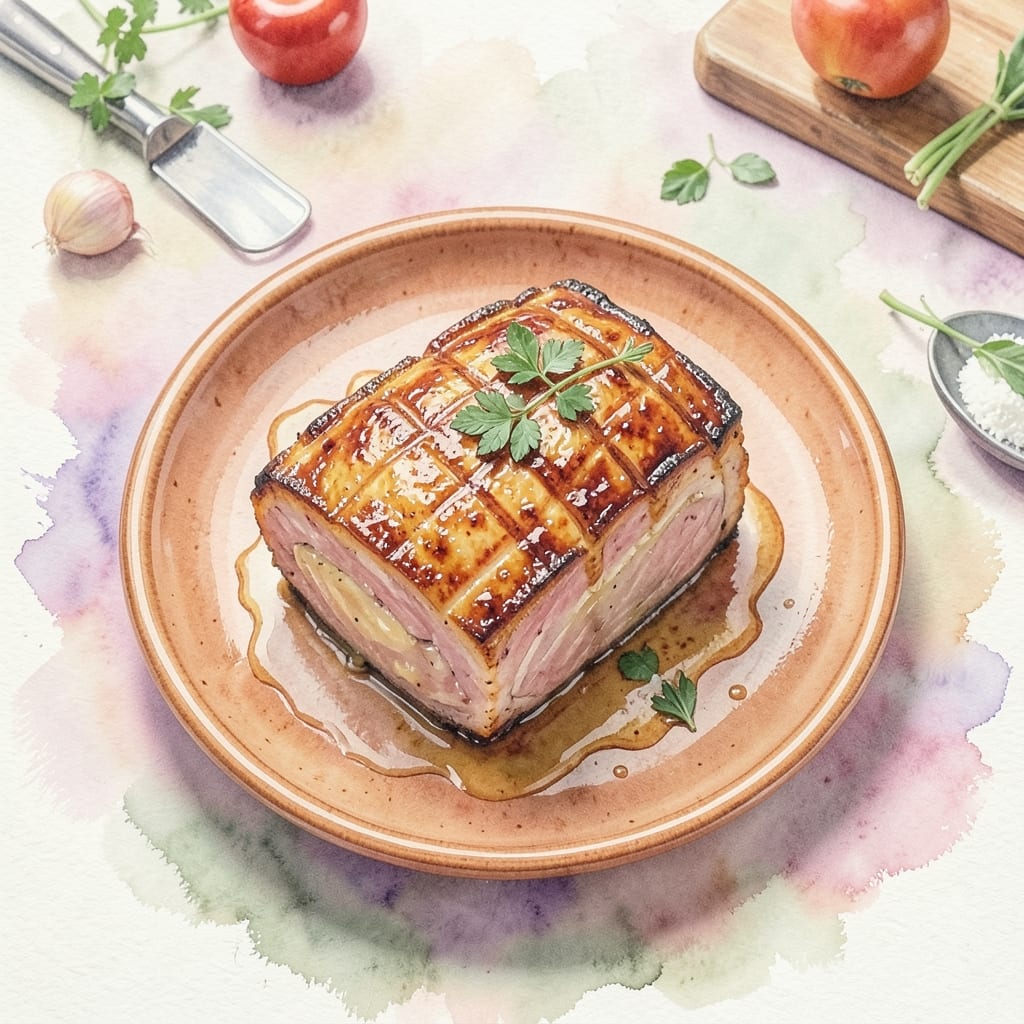
This smoked pork shoulder recipe on a pellet grill delivers restaurant-quality bark and a juicy core with minimal effort. After years of perfecting my technique, I’ve cracked the code for consistent results—whether you’re using a Traeger, Camp Chef, or similar. The secret lies in the low-and-slow method, where patience transforms tough meat into melt-in-your-mouth perfection.
The process starts with a simple but crucial prep: a dry rub or brine to enhance flavor, followed by a 225°F smoke that works its magic over hours. Unlike gas grills, pellet grills maintain steady temps automatically, eliminating the guesswork. I’ve tested this recipe countless times, and the key to avoiding the dreaded stall? A well-timed wrap in foil or butcher paper when internal temps hit 165°F.
By the time you reach 195–203°F, your pork shoulder will be falling apart at the touch, with a crispy bark that’s worth the wait. The beauty of pellet grills is their hands-off convenience—set it, check occasionally, and let the machine do the work. No need for constant temperature adjustments or wood management. This is the kind of dish that turns a simple weeknight into a showstopping meal.
Serve with classic sides like coleslaw or cornbread, or use the pulled pork in sandwiches, tacos, or bowls. The versatility is just one reason this recipe has become a staple in my kitchen—and now, it’s yours to master. Let’s get started.
Ingredients for best smoked pork shoulder recipe pellet grill
Four pounds of pork shoulder, a smoky rub, and your pellet grill—this is all you need for melt-in-your-mouth perfection.
| Ingredient | Amount | Notes |
|---|---|---|
| Bone-In Pork Shoulder 🐖 | 4 lb | With some fat cap for flavor |
| Yellow Mustard 🍯 | ¼ cup | For base of dry rub |
| Brown Sugar 🍚 | ½ cup | Light or dark variety |
| Smoked Paprika 🌶️ | 2 tbsp | For deep smoky flavor |
| Garlic Powder 🧄 | 1 tbsp | Freshly ground preferred |
| Onion Powder 🧅 | 1 tbsp | For sweet depth |
| Kosher Salt 🧂 | 1 ½ tbsp | Diamond Crystal preferred |
| Ground Black Pepper 🌶️ | 1 tsp | Freshly cracked |
| Apple Wood Pellets 🌳 | 1 bag | For classic pork flavor |
| Butcher Paper 📄 | 1 sheet | For wrapping at 165°F |
| Aluminum Foil 📦 | 1 sheet | Heavy-duty for wrapping |
| Yellow Onion 🧅 | 1 whole | Quartered for serving |
| Fresh Cilantro 🌿 | ¼ cup | Chopped for garnish |
The pork shoulder makes all the difference here. Look for a cut with a good fat cap—Costco or local butchers often have the best quality. Bone-in is ideal for flavor, but boneless works too if that's what you've got. Traeger and Camp Chef pellet grills both work perfectly, but avoid pre-injected pork—you want full control over the flavor profile. For the rub, Penzeys or local spice shops carry the best smoked paprika, but the grocery store stuff is fine if it's fresh. Test freshness by smelling: if it's not aromatic, toss it. The yellow mustard is non-negotiable—it helps the rub stick to the meat better than oil ever could.
No smoked paprika? Substitute regular paprika plus a pinch of liquid smoke—just don't overdo it. Running out of apple wood pellets? Cherry or hickory work beautifully too, though they'll give a slightly different flavor profile. The butcher paper is crucial for that perfect bark—ask your local butcher shop if they don't sell it at the grocery store. For the onion, any yellow or red variety works, but avoid sweet onions—they'll overpower the smoky flavor. Fresh cilantro is ideal, but dried works at one-third the amount if you're in a pinch. The key to this recipe is patience—don't rush the cook time, even if your pellet grill is screaming at you to speed it up.
This pork shoulder tastes even better the next day—honestly, it's worth the wait. Store leftovers in the fridge for 5-6 days, or freeze for up to 3 months. I always portion mine into meal-sized containers so I can grab it for quick lunches. The bark gets even better after resting, so let it sit for at least 15 minutes before serving. For serving, I like to shred it right on the cutting board—no fancy tools needed. The leftovers reheat beautifully in a skillet with a splash of broth or even straight from the fridge if you're in a hurry.
Why You'll Love This Recipe
- Sweet-Smoky Magic: That yellow mustard base with a touch of brown sugar? It caramelizes into a sticky, tangy crust that’ll make you lick your fingers. The bone-in keeps it juicy, and the smoky edge from the pellet grill ties it all together—like a hug from a BBQ pit.
- Weeknight to Party Hero: Same rub, same method—whether it’s feeding your family on a Tuesday or impressing guests at a summer cookout. Pull it apart for tacos, sandwiches, or just eat it straight with a fork. (Yes, even on a Tuesday night.)
Step-by-step instructions for smoked pork shoulder on a pellet grill
This method delivers melt-in-your-mouth tenderness with a perfect bark every time.
Prepare the Dry Rub and Season the Pork
In a medium bowl, combine the 0.25 cup yellow mustard, 0.5 cup brown sugar, 2 tablespoons smoked paprika, 1 tablespoon garlic powder, 1 tablespoon onion powder, 1.5 tablespoons kosher salt, and 1 teaspoon ground black pepper. Mix thoroughly until the mustard and sugar form a paste-like consistency—this helps the rub stick to the meat. Pat the 4 lb bone-in pork shoulder dry with paper towels, then generously coat all sides with the rub, pressing firmly so it adheres.
Place the pork on a wire rack set over a baking sheet and refrigerate uncovered for at least 2 hours (or overnight). This drying step is critical—it prevents steam from forming in the rub, which would soften the bark. The longer it rests, the deeper the flavor penetration and the better the texture.
Set Up the Pellet Grill and Smoke the Pork
Fill the pellet hopper with the apple wood pellets and set your pellet grill to 225°F. Preheat for 15 minutes to ensure consistent temperature. Once preheated, place the pork shoulder fat-side up on the grill grates. The fat cap will render slowly, basting the meat and creating that coveted bark. Close the lid and resist the urge to peek—every time you open it, you lose 15-20 minutes of cook time and disrupt the smoke flow.
Smoke the pork undisturbed for 6-8 hours, or until the internal temperature reaches 165°F. You’ll notice the bark developing a deep mahogany color, and the pork will begin to pull away slightly from the bone. This is when the "stall" typically occurs—the temperature plateaus as moisture evaporates. Don’t panic; this is normal and expected.
Wrap and Finish the Pork for Maximum Tenderness
When the pork hits 165°F, remove it from the grill and let it rest for 5 minutes. This brief pause prevents the juices from spilling out when you wrap it. Lay out the butcher paper and aluminum foil on a clean surface, then place the pork in the center. Fold the butcher paper tightly over the pork, followed by the foil, sealing it completely. The butcher paper allows the bark to breathe while the foil traps steam, ensuring the meat stays moist.
Return the wrapped pork to the grill and continue smoking at 225°F until the internal temperature reaches 203°F (probe-tender). This typically takes an additional 4-6 hours. The pork is done when a meat thermometer inserted into the thickest part of the shoulder reads 203°F and the probe slides in like butter with no resistance.
Rest and Slice for Juicy Perfection
Remove the pork from the grill and let it rest on a cutting board for at least 1 hour, wrapped in the butcher paper and foil. This resting period is non-negotiable—it allows the juices to redistribute throughout the meat, ensuring every slice is moist and flavorful. If you’re short on time, you can rest it for 30 minutes, but the texture won’t be as perfect.
Quarter the yellow onion and chop the 0.25 cup fresh cilantro for serving. To slice the pork, cut against the grain into ¼-inch thick slices. The meat should be so tender it practically falls apart, with a crispy bark on the outside and a juicy, pink center. Serve immediately with the onions and cilantro for a fresh contrast to the rich, smoky pork.
Pro Tips For Making Best Smoked Pork Shoulder Recipe Pellet Grill
- Trim the Fat Cap: Cut the thickest layer of fat down to about ¼-inch before smoking—it renders faster and keeps the meat from turning greasy. I learned this the hard way after dealing with a shoulder that spent half the cook time swimming in its own fat. ---
- Mix Mustard Last: Hold off on applying the yellow mustard until the last hour of smoking. Too early, and it burns into a bitter glaze instead of caramelizing into a sticky, sweet crust. (Yes, even if you’re impatient like me.) ---
- Watch the Stall: When the internal temp hits 150°F, expect a stall—drop the heat to 225°F and spritz with apple juice every 30 minutes. Ignore this, and you’ll end up with dry, overworked meat instead of tender pull-apart perfection. ---
- Use Coarse Sugar: Swap refined brown sugar for coarse turbinado—it clumps less and creates a better crust without dissolving into a sticky mess. My grandmother swore by this, and she was right: the texture makes all the difference.
Troubleshooting this recipe
Smoke Flow Issues
If your pellet grill isn’t producing enough smoke or the temperature fluctuates wildly, check your pellet quality first. Apple wood pellets should be fresh—old pellets lose their ability to burn cleanly and create smoke. I’ve found that Traeger or Camp Chef brand pellets work best for consistent results. If smoke is still weak, try adding a wood chip tray with extra hickory or cherry chips alongside your pellets. 🌳
Temperature Stall Woes
The 165°F stall is inevitable, but you can minimize its impact by wrapping your pork in butcher paper at this stage. I’ve seen cooks skip this step and end up with dry meat—don’t make that mistake! If your grill struggles to maintain 225°F, check for air leaks around the gaskets or adjust the fan speed if your model allows it. A digital thermometer like the Meater gives real-time readings to help you troubleshoot.
Uneven Cooking
Uneven cooking often happens when the pork shoulder isn’t positioned properly on the grates. Place it fat-side up and make sure it’s not touching the sides of the grill. If your pellet grill has hot spots, rotate the pork 90 degrees every hour to ensure even heat distribution. For larger cuts, consider using a drip pan underneath to catch rendered fat and prevent flare-ups.
Bark Too Soft
A soft bark usually means the rub didn’t stick properly or the meat cooked too quickly. Always pat your pork completely dry before applying the rub, and let it rest uncovered in the fridge for at least 2 hours. If the bark is still soft after cooking, try increasing your smoke temperature slightly to 235°F for the last hour of cook time. A spray bottle with apple cider vinegar can also help crisp up the bark—lightly mist it before the final hour.
Pork Too Dry
Overcooking is the most common cause of dry pork. Once you hit 203°F, remove it immediately—even a few extra minutes can make a difference. If your pork is still tough, it might not have rested long enough. Always let it rest for at least 1 hour before slicing. For extra moisture, add a ½ cup beef broth to the wrap before sealing it back up on the grill.
Nutrition facts
Frequently asked questions
Can I use a boneless pork shoulder instead of bone-in?
Yes, boneless pork shoulder works perfectly fine! The bone-in version adds extra flavor, but boneless is more convenient for slicing and serves slightly faster. Just be sure to trim any excess fat to ¼-inch thickness—this helps the rub stick better and prevents flare-ups on the pellet grill.
What's the best wood pellet for pork shoulder?
Apple wood pellets are my top recommendation—they deliver a mild, sweet smoke that complements pork beautifully. For more intensity, try hickory or cherry pellets. Avoid strong flavors like mesquite, which can overpower the meat. Pro tip: Mix 80% apple with 20% hickory for a balanced, restaurant-quality taste.
How do I know when the pork is done?
Use a meat thermometer to check the thickest part of the shoulder—it should read 203°F for perfect tenderness. The probe should slide in like butter with no resistance. If you don't have a thermometer, look for probe-tender texture: the meat should pull away from the bone easily and the juices should run clear. Never rely on time alone!
Can I make this recipe in a smaller pellet grill?
A 4 lb pork shoulder fits easily in most pellet grills, including compact models. For even cooking, position the pork fat-side up and avoid crowding the grates. If your grill is very small, consider reducing the cook time slightly (aim for 195°F internal temp instead of 203°F) to prevent overheating. Smaller grills often have less heat retention, so monitor temps closely.
What's the best way to reheat leftovers?
Reheat leftovers in a skillet over medium-low heat with a splash of beef broth or apple cider vinegar to keep them moist. Alternatively, wrap slices in foil and reheat in a 300°F oven for 10-15 minutes. Never microwave—it turns the pork rubbery. For sandwiches, I like to reheat just the filling and assemble fresh for maximum flavor.