
Soups & Stews
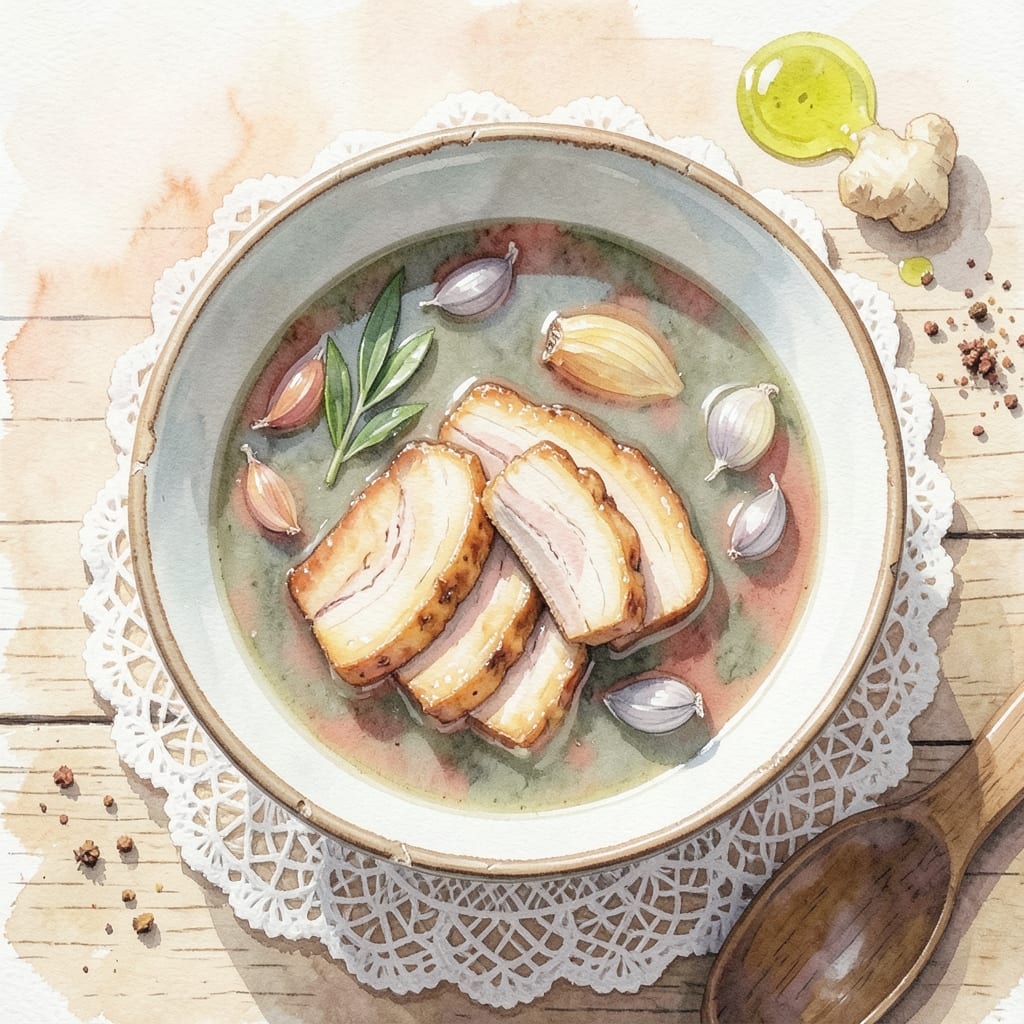
This Bida Manda pork belly soup recipe brings the soul-warming essence of Filipino comfort food to your kitchen. 💛 The secret lies in slow-simmering pork belly until it's fork-tender, creating a rich broth that captures every layer of savory depth. I first tasted this dish in a bustling Manila kitchen, and it's been my go-to for cold nights ever since—each spoonful is pure nostalgia in a bowl.
The magic happens through careful layering: aromatic ginger and garlic form the flavor base, while soy sauce and vinegar balance the richness. Pork belly, with its marbled fat, melts into the broth, infusing it with a luxurious creaminess that defines this dish. What makes this recipe special is the patience—simmering for hours transforms tough pork into melt-in-your-mouth perfection while developing a complex, umami-packed broth.
By the time you serve this, you'll have a steaming bowl of perfectly balanced soup: tender pork belly floating in a glossy, aromatic broth that's both comforting and sophisticated. The pork belly stays moist and flavorful, while the broth carries layers of ginger, garlic, and vinegar that make every sip irresistible. This is the kind of dish that turns ordinary weeknights into celebrations.
Pair it with steamed rice and a simple side salad to complete the meal. The leftovers, if there are any, reheat beautifully—another testament to this recipe's foolproof nature. Let's get cooking!
Ingredients for bida manda pork belly soup
These rich, aromatic ingredients transform simple pork belly into a soul-warming Filipino classic.
| Ingredient | Amount | Notes |
|---|---|---|
| Pork Belly 🥓 | 3 lb | Thick-cut, skin-on preferred |
| Yellow Onion 🧅 | 2 whole | Chopped into half-moons |
| Garlic Cloves 🧄 | 8 cloves | Minced for aromatic base |
| Fresh Ginger 🌿 | ½ cup | Julienned or finely chopped |
| Coconut Milk 🥥 | 1 can | Full-fat, 13.5 oz can |
| Soy Sauce 🍶 | ½ cup | Light or regular variety |
| Cane Vinegar 🍋 | ¼ cup | Or substitute white vinegar |
| Bay Leaves 🌿 | 2 whole | Dried, for deep flavor |
| Black Peppercorns 🌶️ | 1 tsp | Crushed lightly |
| Salt 🧂 | 1 ½ tsp | Adjust to taste |
| Water 💧 | 8 cups | For initial broth |
| Green Onions 🧅 | ¼ cup | Sliced for garnish |
| Fresh Chili Peppers 🔥 | 2 whole | Sliced, optional for heat |
The pork belly is non-negotiable—thick-cut with skin gives the best texture and flavor. Look for well-marbled cuts at Asian markets or your local butcher. If you can't find thick-cut, ask for a pork belly roast instead of pre-sliced bacon. The ginger and garlic are your flavor anchors—fresh is a must. I always grab extra ginger because it keeps for weeks in the freezer. For the coconut milk, full-fat is essential—it adds that luxurious creaminess that defines this soup.
No soy sauce? Tamari or coconut aminos work in a pinch, but the umami depth will be different. Short on vinegar? A splash of lemon juice brightens things up. The bay leaves might seem small, but they're crucial—they infuse the broth with earthy depth. If you're sensitive to heat, skip the chili peppers entirely. For the onions, yellow or red both work, but yellow has a slightly sweeter flavor that pairs better with the pork. The green onions are just for garnish, so don't stress if you don't have them—it's still delicious without.
This soup tastes even better the next day as the flavors meld. Store leftovers in the fridge for up to 4 days, or freeze portions for 3 months. I always make a double batch because it reheats beautifully—just add a splash of water or broth to prevent drying out. The pork belly stays tender even after reheating, which is a miracle. For serving, I like to scoop the broth into bowls first, then add the pork belly on top so everyone can ladle it into their rice.
Why You'll Love This Recipe
- One-Pot Magic: I swear by this recipe because it’s actually one-pot—no chopping boards, no pans, just the pork belly, onions, and spices simmering together. The coconut milk does all the heavy lifting while I sip tea and pretend I’m not cooking.
- Rich Without Effort: That crispy pork belly falling apart in your mouth? The ginger and garlic mellow into something warm and aromatic, but the coconut milk keeps it creamy without tasting like a heavy stew. It’s the kind of flavor that lingers—honestly, I’ve caught myself staring into the pot, mesmerized.
- Leftover Goldmine: This soup only gets better the next day. The pork belly stays tender, the broth deepens, and the coconut milk thickens just enough to make it feel like a whole new dish. I portion it into containers on Sundays and eat it all week—no sad leftovers here.
- Budget-Friendly Luxury: Pork belly might sound fancy, but a few slices go a long way in this recipe. The onions and ginger stretch the flavor, and coconut milk adds richness without breaking the bank. It’s the kind of meal that makes you feel like you’re treating yourself, even on a tight budget.
Step-by-step instructions for Bida Manda pork belly soup
Here's how to create this Filipino classic—rich, tender, and bursting with savory depth.
🔥 Step 1: Render the Pork Belly Until Crispy
Place the 3 lb pork belly skin-side down in a large pot. Heat over medium-low heat for 30-40 minutes until the fat renders out and the skin becomes deep golden brown and crispy. I like to press down gently on the pork belly during the first 10 minutes—this prevents it from curling and ensures even contact with the pan.
Once the fat starts bubbling and the skin looks crisp, carefully flip the pork belly and cook for another 10 minutes on the second side. The rendered fat should pool in the pot—this is pure flavor gold. Remove the pork belly and set it aside for now, but leave the fat in the pot.
🍳 Step 2: Build the Aromatic Base
In the same pot with the rendered pork fat, add the 2 whole yellow onion (chopped into half-moons) and cook over medium heat for 5-6 minutes until softened and lightly caramelized. You'll smell that sweet, oniony aroma—this is where the soup's depth starts building.
Add the 8 cloves garlic cloves (minced), 0.5 cup fresh ginger (julienned), and 2 whole bay leaves. Stir for 1-2 minutes until the garlic becomes fragrant and the ginger softens. Be careful not to let the garlic burn—it should smell sweet, not bitter. Here's the thing—this aromatic base is the soul of your soup, so don't rush it.
🥘 Step 3: Simmer the Broth with Vinegar and Soy
Pour in the 8 cups water, scraping up any browned bits from the bottom of the pot. Add the 0.5 cup soy sauce and 0.25 cup cane vinegar, then bring to a gentle boil. Once boiling, reduce heat to low and add the pork belly back in. The broth should simmer gently—you'll see small bubbles breaking the surface, but not a rolling boil.
Add the 1.5 tsp salt and 1 tsp black peppercorns (crushed lightly). Cover and let it simmer for 1.5 hours, turning the pork belly occasionally. The pork should become fork-tender, and the broth should reduce slightly, intensifying its flavor. I know it seems like a long time, but this slow cooking is what makes the pork melt-in-your-mouth tender.
⏰ Step 4: Finish with Coconut Milk and Chili
After 1.5 hours, carefully remove the pork belly and shred it into bite-sized pieces using two forks. Return the shredded pork to the pot. Stir in the 1 can coconut milk and the 2 whole fresh chili peppers (sliced). Simmer uncovered for another 15-20 minutes until the coconut milk is fully incorporated and the soup has thickened slightly.
Taste and adjust seasoning if needed—the combination of soy sauce, vinegar, and coconut milk should create a perfect balance of salty, tangy, and creamy. The soup should coat the back of a spoon with a velvety texture. If it's too thick, add a splash of water to reach your desired consistency.
🍽️ Step 5: Serve with Fresh Garnishes
Ladle the hot soup into bowls and garnish each serving with 0.25 cup sliced green onions. The contrast of fresh green onions against the rich, creamy soup is what makes this dish truly special. Serve immediately while steaming hot—this soup tastes best fresh from the pot, with the pork belly's fat still slightly melted and the coconut milk creamy.
For the ultimate experience, serve with steamed rice to soak up every last drop of that flavorful broth. The combination of tender pork belly, aromatic vegetables, and creamy coconut milk makes this more than just a soup—it's a comforting hug in a bowl. Trust me, your taste buds will thank you.
Pro Tips For Making Bida Manda Pork Belly Soup
- CRISP THE BELLY FIRST: Skip the soft boil—sear the pork belly in a dry pan until the fat renders and the skin turns golden. I learned this the hard way: skipping this step means your soup will taste bland and greasy, not rich. The crispy skin adds texture and flavor that no amount of simmering can replace.
- MINCE GINGER FINE: Use a microplane or knife to mince ginger into a paste, not just chunks. My grandmother swore by this, and she was right: finely minced ginger blends into the soup smoothly, releasing its heat and aroma evenly instead of sitting as tough, chewy bits.
- LOW SIMMER COCONUT MILK: After adding coconut milk, reduce heat to the lowest setting—just above a bare simmer. I used to rush this, and the milk would curdle or split, ruining the creamy base. A gentle simmer keeps it silky and lets the flavors meld without breaking.
- SAVE THE SKIN FAT: Don’t discard the pork belly skin after cooking—strain it out and fry it crispy in a separate pan. Toss it back into the soup at the end for a crunchy, umami-packed finish. It’s the thing that matters most for that restaurant-style bite.
Storing and reheating this bida manda pork belly soup
Refrigerator Magic
This soup tastes even better the next day as flavors meld beautifully. Store leftovers in an airtight container for up to 4 days—I use glass Pyrex with snap-on lids to preserve freshness. The pork belly stays fork-tender, and the coconut milk maintains its creaminess. When reheating, add 2-3 tablespoons of water to prevent thickening. 💛
Freezer Secrets
For longer storage, freeze portions in quart-sized freezer bags for up to 3 months. Leave 1-inch headspace to prevent expansion cracks. I like to portion individual servings so you can thaw exactly what you need. When ready to eat, thaw overnight in the fridge before reheating—this preserves texture better than microwave defrosting.
Stovetop Revival
My preferred reheating method is stovetop—it maintains that velvety texture. Heat over medium-low for 10-12 minutes, stirring occasionally. The gentle heat prevents the coconut milk from separating. For extra richness, add 1 tablespoon of reserved broth or a splash of coconut milk if needed. Taste and adjust seasoning—soup often needs a pinch more salt after reheating. ✨
Microwave Shortcut
For quick lunches, use the microwave on 50% power in 1-minute intervals, stirring between each. Cover loosely with a damp paper towel to prevent drying. The soup should reach 165°F internal temperature—use a meat thermometer to check the pork. Add 1-2 tablespoons of water if it looks too thick after reheating. This method works best for single servings.
Broth Boost
If the broth seems flat after reheating, revive it by adding 1 teaspoon of fish sauce or a splash of cane vinegar. The acidity brightens flavors instantly. For extra depth, stir in 1 tablespoon of soy sauce while reheating. I also like to finish with fresh green onions—they add a crisp contrast that makes the soup feel fresh again. 💡
Garnish Game
Don't skip the finishing touches! Fresh green onions and sliced chili peppers add vibrant color and freshness. For extra flair, drizzle with toasted sesame oil or sprinkle with crushed black pepper. These simple garnishes elevate the dish from comforting to restaurant-quality. Serve with steamed rice to complete the meal experience. 🍚
Nutrition facts
Frequently asked questions about Bida Manda pork belly soup
Can I substitute regular pork shoulder for pork belly?
While pork shoulder works in a pinch, it won't give you the same luxurious texture and flavor. Pork belly's marbled fat creates that signature creamy broth and tender, melt-in-your-mouth pieces. If you must substitute, use bone-in pork shoulder and add an extra 0.25 cup coconut milk to compensate for the lack of fat. The cooking time will also need to increase to 2 hours for proper tenderness.
Why does my broth turn cloudy after adding coconut milk?
This happens when the coconut milk separates due to temperature changes or overcooking. To fix it, stir in 1 tablespoon of cornstarch mixed with 2 tablespoons water and simmer for 2-3 minutes until smooth. For prevention, always add coconut milk at the end and keep heat at low-medium. The broth should remain glossy and velvety.
How can I make this soup spicier? For extra heat, add 1-2 extra chili peppers (whole or sliced) during the final 15-minute simmer. For deeper spice, stir in 1 teaspoon of chili flakes or 0.5 teaspoon of cayenne pepper at the end. If you love heat, try adding 1 tablespoon of sambal oelek when serving.
What's the best way to serve this soup?
Traditionally, this soup is served with steamed jasmine rice to soak up the rich broth. For a complete meal, add a side of garlic fried rice or a simple mixed greens salad with a citrus vinaigrette. The contrast of warm soup and cool greens makes each bite more satisfying. Don't forget the garnishes—fresh green onions and crushed black pepper add freshness and visual appeal.
Can I make this soup in a slow cooker?
For a slow cooker version, render the pork belly fat in a separate pan first. Then add all ingredients (except coconut milk) to the slow cooker and cook on low for 6-7 hours. In the last 30 minutes, stir in the coconut milk. The slow cooker method actually enhances the tenderness of the pork and deepens the broth's flavor. Just