
Main Courses
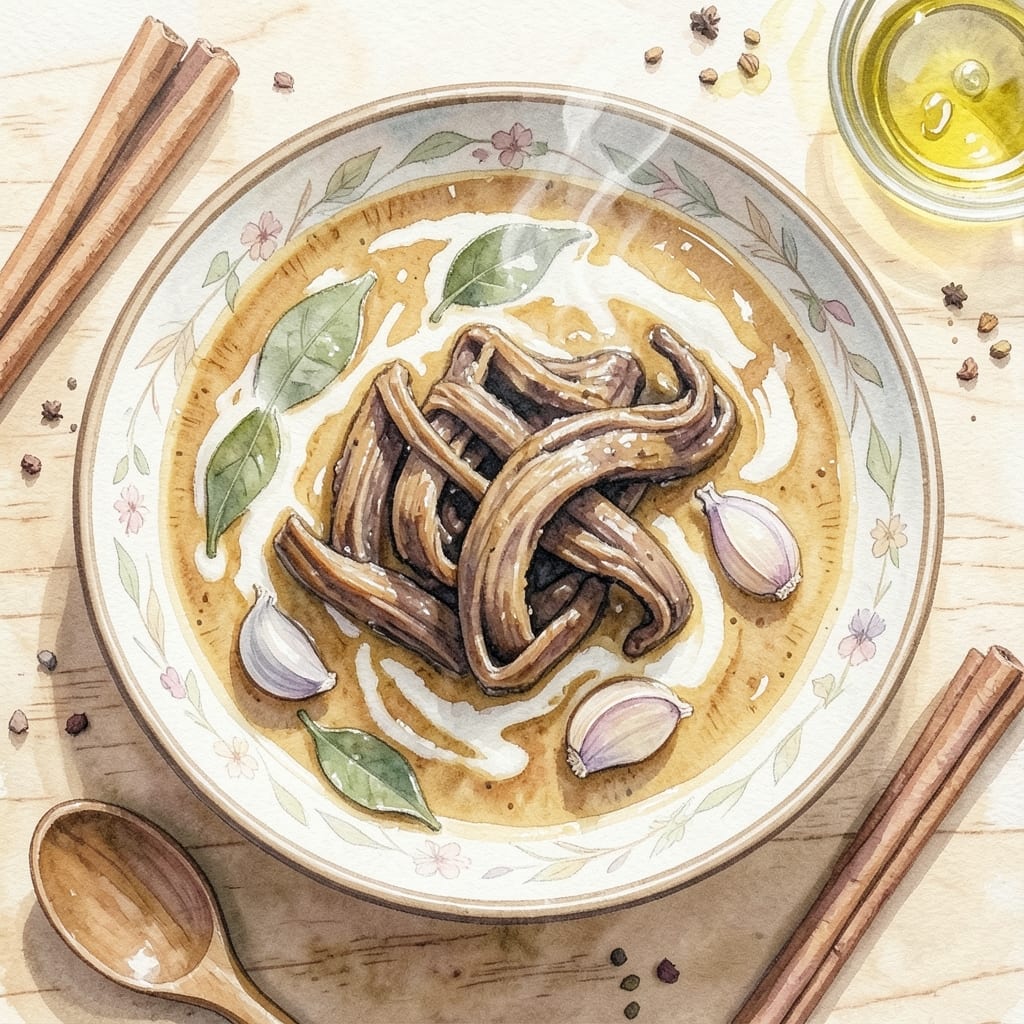
This black pork curry Sinhala recipe brings the rich, aromatic soul of Sri Lankan cuisine to your kitchen with tender pork, deep spice layers, and velvety coconut milk. 🌟 As someone who's spent years perfecting pork dishes, I've adapted traditional techniques to create a version that's both authentic and approachable for home cooks. The slow-cooked pork transforms into melt-in-your-mouth perfection while absorbing all those warm, earthy spices.
The foundation of this curry lies in its spice blend—cinnamon, cardamom, and cloves simmered in coconut milk until fragrant and fragrant. I've found that toasting the whole spices first unlocks their full potential, creating that complex aroma that defines Sinhala cooking. The key technique is patience: letting the pork cook low and slow ensures it stays juicy while developing deep, smoky flavors that will have everyone asking for seconds.
What makes this recipe special is how it balances tradition with modern convenience. While it stays true to Sinhala methods, I've streamlined the process without sacrificing authenticity. The result is a curry that's rich yet not overly heavy, with pork that falls apart at the touch of a fork and a sauce that's creamy, aromatic, and perfectly spiced. Each bite delivers layers of flavor that transport you straight to Sri Lanka.
This dish pairs beautifully with steamed rice or roti, and the leftovers only get better as the flavors meld overnight. Perfect for family dinners or special occasions, this black pork curry proves you don't need to travel to experience authentic Sri Lankan flavors. Let's create this memorable dish together.
Ingredients for black pork curry sinhala
Spices, coconut milk, and tender pork—this Sinhala curry delivers rich, aromatic flavors with just 15 ingredients.
| Ingredient | Amount | Notes |
|---|---|---|
| Pork Shoulder 🥩 | 1 ½ lb | Bone-in for flavor, cut into 1.5-inch cubes |
| Coconut Milk 🥥 | 1 can | Full-fat for richness, 13.5 oz can |
| Yellow Curry Leaves 🌿 | ¼ cup | Fresh, tightly packed, or 1 tbsp dried |
| Cinnamon Sticks 🌿 | 2 whole | For toasting, 1-inch pieces |
| Fresh Ginger 🧅 | ½ cup | Finely grated, peeled |
| Garlic Cloves 🧄 | 8 cloves | Peeled, roughly chopped |
| Green Cardamom Pods 🌿 | 6 whole | Lightly crushed, seeds intact |
| Cloves 🌶️ | 4 whole | Whole, lightly crushed |
| Onion 🧅 | 1 whole | Yellow, finely chopped |
| Tomato Paste 🍅 | 2 tbsp | Smooth, no added salt |
| Ripe Tomatoes 🍅 | 1 lb | Medium, chopped (about 2 medium tomatoes) |
| Vegetable Oil 🫒 | 2 tbsp | For cooking pork |
| Salt 🧂 | 1 ½ tsp | Kosher or sea salt, adjust to taste |
| Black Peppercorns 🌶️ | ½ tsp | Freshly cracked |
| Sugar 🍯 | ½ tsp | Balances acidity |
The pork shoulder is non-negotiable here—bone-in for maximum flavor, and Costco or Whole Foods carry the best cuts. Look for well-marbled pieces with a vibrant pink color. If you can't find yellow curry leaves, substitute with 1 tbsp dried curry leaf powder, but fresh is ideal for that authentic aroma. For the spices, Penzeys or local Indian markets have the freshest whole spices—cardamom and cloves should smell intensely aromatic when crushed. Fresh ginger and garlic are musts; pre-minced jars lack the punch of freshly grated.
No coconut milk? Full-fat canned coconut cream works in a pinch, though the texture will be thicker. Running short on tomatoes? Two tbsp tomato paste plus 2 tbsp water mimics the acidity. The sugar balances the curry's richness—skip it only if your tomatoes are particularly tart. For a deeper color, add 1 tsp activated charcoal (food-grade), a traditional Sinhala trick that gives the signature black hue. If you can't find it, extra tomato paste darkens the sauce naturally. Toasting the whole spices in the oil is crucial—they should sizzle and release their oils before adding the pork.
This curry tastes even better the next day as flavors meld. Store in an airtight container in the fridge for up to 5 days, or freeze portions for 3 months. Double the recipe—it reheats beautifully and makes an amazing lunch for days. For serving, pair with jasmine rice or fluffy roti. The sauce thickens as it cools, so add a splash of water or coconut milk when reheating if it's too stiff.
Why You'll Love This Recipe
- Pantry to Plate: The only ingredients you need are already in your cupboard: pork shoulder, coconut milk, and a few spices you’ve probably got tucked away. No fancy shopping trips—just open, simmer, and serve.
- Deep Umami Magic: That smoky, slightly bitter edge from the curry leaves? It’s the secret weapon. The ginger and cinnamon stick blend so perfectly with the pork, you’ll want to eat it straight from the pot—no shame.
- Leftover Goldmine: This curry tastes better the next day. I swear. The flavors meld into something richer, and it reheats like a dream. Pack it for lunch or freeze portions—your future self will thank you.
- Weeknight Hero: One pot, minimal chopping (just ginger and pork), and you’re done. The pork falls apart tenderly, so you can serve it over rice or even in wraps. Honestly, it’s the kind of meal that makes you feel like a chef without the fuss.
Step-by-step instructions for black pork curry
This rich, spice-infused curry delivers deep flavors with each tender bite.
🔥 Step 1: Sear the Pork Shoulder for Depth
Heat the 2 tablespoons vegetable oil in a heavy pot over medium-high heat until shimmering. Add the 1.5 lb pork shoulder cut into 1.5-inch cubes in a single layer, working in batches if needed. Let the pork sear undisturbed for 3-4 minutes per side until deeply golden brown—this builds the foundation for rich flavors.
Real talk: Don't rush this step. The caramelization creates those complex, smoky notes that make this curry special. Once browned, remove the pork and set aside temporarily. You'll add it back later when the aromatics develop their full potential.
🍳 Step 2: Toast Whole Spices and Aromatics
In the same pot, add the 2 whole cinnamon sticks, 6 whole green cardamom pods, 4 whole cloves, and 8 cloves garlic cloves. Toast over medium heat for 2 minutes until fragrant—you'll smell that warm, earthy aroma that signals they're ready. Add the 1 whole onion and cook for another 3-4 minutes until softened and golden.
Stir in the 0.5 cup fresh ginger and 0.25 cup yellow curry leaves, cooking for 1 minute until the ginger loses its raw bite. This step unlocks the aromatic base that will infuse the entire curry. Here's where it gets fun—toss in the 2 tablespoons tomato paste and cook for 30 seconds to deepen the color and flavor profile.
🥘 Step 3: Build the Spice Base
Pour in the 1 lb chopped ripe tomatoes and cook for 5-6 minutes until they break down into a thick, jammy consistency. This transformation creates the perfect balance of acidity and sweetness that complements the coconut milk later. Sprinkle in the 1.5 teaspoons salt, 0.5 teaspoon black peppercorns, and 0.5 teaspoon sugar, stirring to combine.
Here's the thing—this is where the magic happens. The spices should meld into a thick paste that coats the bottom of the pot. If it looks too dry, add 2 tablespoons water to help it along. Once you have this rich, aromatic base, return the seared pork to the pot and pour in the 1 can coconut milk. Bring to a gentle simmer.
⏰ Step 4: Simmer Until Tender Perfection
Partially cover the pot and simmer over low heat for 1.5-2 hours, stirring occasionally, until the pork is fork-tender and falls apart easily. The curry should reduce slightly, creating a thick, velvety sauce that clings beautifully to each piece of pork. I know it seems like a long time, but patience pays off here—this slow cooking develops deep, complex flavors.
About 20 minutes before the end, check the consistency. If it's too thin, uncover the pot and simmer longer to thicken. The sauce should coat the back of a spoon with a glossy sheen. Taste and adjust seasoning—you might need a pinch more salt or a crack of pepper to balance the coconut richness.
🍽️ Step 5: Rest and Serve with Confidence
Once the pork reaches 203°F internal temperature (or when it's fork-tender), remove from heat and let it rest for 10 minutes. This resting period allows the juices to redistribute, ensuring each bite is moist and flavorful. Serve family-style in a shallow bowl with steamed rice—watch as the rich curry sauce pools beautifully on the rice.
The final dish should deliver layers of flavor: smoky from the seared pork, aromatic from the toasted spices, and creamy from the coconut milk. Each spoonful should be a perfect balance of heat, sweetness, and richness. Don't forget the fresh curry leaves on top—they add that final touch of authenticity.
Pro Tips For Making Black Pork Curry Sinhala
- CRUSH THE GINGER: Use a mortar and pestle—don’t just chop it. I learned this the hard way: pre-grated ginger loses its punch fast, and this curry needs that sharp, fresh kick. Pound the ginger with a pinch of salt first to soften it, then mix it into the oil before adding anything else. The aroma alone tells you it’s working.
- SIMMER THE COCONUT MILK LOW: Don’t boil it—coax it. After adding the coconut milk, reduce to the gentlest simmer you can manage. I used to rush this, and the curry would split or taste soapy. Let it bubble softly for at least 20 minutes, stirring occasionally. If it’s too thin, thicken it with a splash of coconut cream later, not by boiling harder.
- BROWN THE PORK IN BATCHES: Skip the crowded pan. Pork shoulder releases fat like a firehose, and if you don’t work in 2-3 batches, you’ll steam the meat instead of sear it. A well-browned crust is non-negotiable here—it’s what carries the curry’s depth. Use a 12-inch skillet and don’t rush; let the fat render and the edges darken before touching it.
- SAVE THE CURRY LEAF OIL: Strain the curry leaves out after frying them, but keep the oil. That golden, nutty oil is liquid flavor, and discarding it means losing the best part. Pour it back into the pot with the rest of the spices—it’ll deepen the color and richness of the curry. (Yes, even if it looks weirdly dark.)
Essential equipment for perfect results
Heavy-Duty Pot
You'll need a large, heavy-bottomed Dutch oven—I swear by my Le Creuset 6-quart—to handle this curry's long simmer without burning. The thick base distributes heat evenly, preventing hot spots that can scorch your sauce. If you don't have one, a stainless steel stockpot with a tight-fitting lid works too. Just avoid thin aluminum pots—they can't maintain consistent heat for the 1.5-2 hour cook time. 🔥
Spice Toasting Tools
A mortar and pestle isn't strictly necessary since we're using whole spices, but it comes in handy for crushing cardamom and cloves if you prefer finer textures. For toasting, a small cast iron skillet works perfectly—it retains heat well and gives you better control over those aromatic spices. I keep mine on my stovetop for quick spice toasting sessions. A wooden spoon helps stir without scratching non-stick surfaces if you're using one.
Precision Thermometer
For perfect pork doneness, invest in a meat thermometer—I recommend the ThermoWorks Smoke—to monitor internal temperature. The pork should reach 203°F for tender, fall-apart texture. Without one, you risk overcooking or undercooking. Pro tip: Poke the meat with a fork—if it slides in easily, it's ready. A kitchen timer helps track the 1.5-2 hour simmer time without constant stove monitoring.
Curry Leaf Accessories
Fresh yellow curry leaves are essential for authenticity, but if you can't find them, keep dried curry leaf powder on hand. For presentation, I like using a small slotted spoon to garnish finished curries with fresh leaves. A fine-mesh strainer helps remove whole spices after cooking if you prefer a smoother sauce. For storage, keep dried leaves in an airtight container away from light to preserve their flavor for up to 6 months.
Coconut Milk Tools
Use a can opener with a pour spout to avoid messy spills when adding coconut milk. For stirring, a wide silicone spatula prevents scratching your pot while helping scrape up those flavorful bits from the bottom. If you're using coconut cream instead, a whisk helps blend it smoothly. I keep a small bowl nearby to catch any excess oil that rises to the surface before serving.
Resting Equipment
After cooking, transfer the curry to a large serving bowl with a lid or airtight container for resting. I like using glass Pyrex bowls because they're heat-resistant and easy to clean. A tongs helps portion the pork neatly onto rice. For reheating leftovers, a stainless steel ladle works best—it won't melt or warp like plastic. Keep these tools handy for that 10-minute rest before serving to maintain perfect texture. ✨
Nutrition facts
Frequently asked questions about black pork curry
Why does this curry have a "black" color?
The signature black hue comes from traditional Sinhala techniques. While we use tomato paste for depth, some authentic versions incorporate activated charcoal (food-grade) or extra tomato paste to create that distinctive dark color. It's purely visual—doesn't affect the flavor! The real magic comes from the slow-cooked spices and coconut milk that create rich, aromatic layers.
Can I substitute chicken or beef for pork?
This technique works beautifully with chicken thighs (cook for 30-40 minutes) or beef chuck (simmer 2.5-3 hours). The cooking time adjusts based on cut size and fat content. For chicken, reduce to 1.5 hours total. Just remember: bone-in cuts stay juicier, while boneless needs extra monitoring to prevent drying.
How do I adjust the spice level?
This recipe balances warmth without heat. For more spice, add 1-2 teaspoons Sri Lankan red chili powder when building the spice base. For milder flavor, reduce the black peppercorns to ¼ teaspoon or omit entirely. The coconut milk naturally mellows any sharpness—you can always add more at the end if needed. Taste as you go!
What's the best way to reheat leftovers?
Gently reheat in a pot over low heat with 2-3 tablespoons water or coconut milk to prevent drying. Never microwave—it makes the sauce watery. For best results, cover and simmer for 10-15 minutes, stirring occasionally. The flavors actually deepen overnight, so leftovers often taste better than fresh!
Can I make this curry in an Instant Pot?
Yes! Sauté the pork and spices as directed, then add all remaining ingredients and cook on High Pressure for 45 minutes, followed by a 10-minute natural release. For extra tenderness, increase to 60 minutes for pork. The pressure cooker cuts time dramatically while keeping the pork juicy. Just don't skip the resting period—it's crucial for texture.