
Main Courses
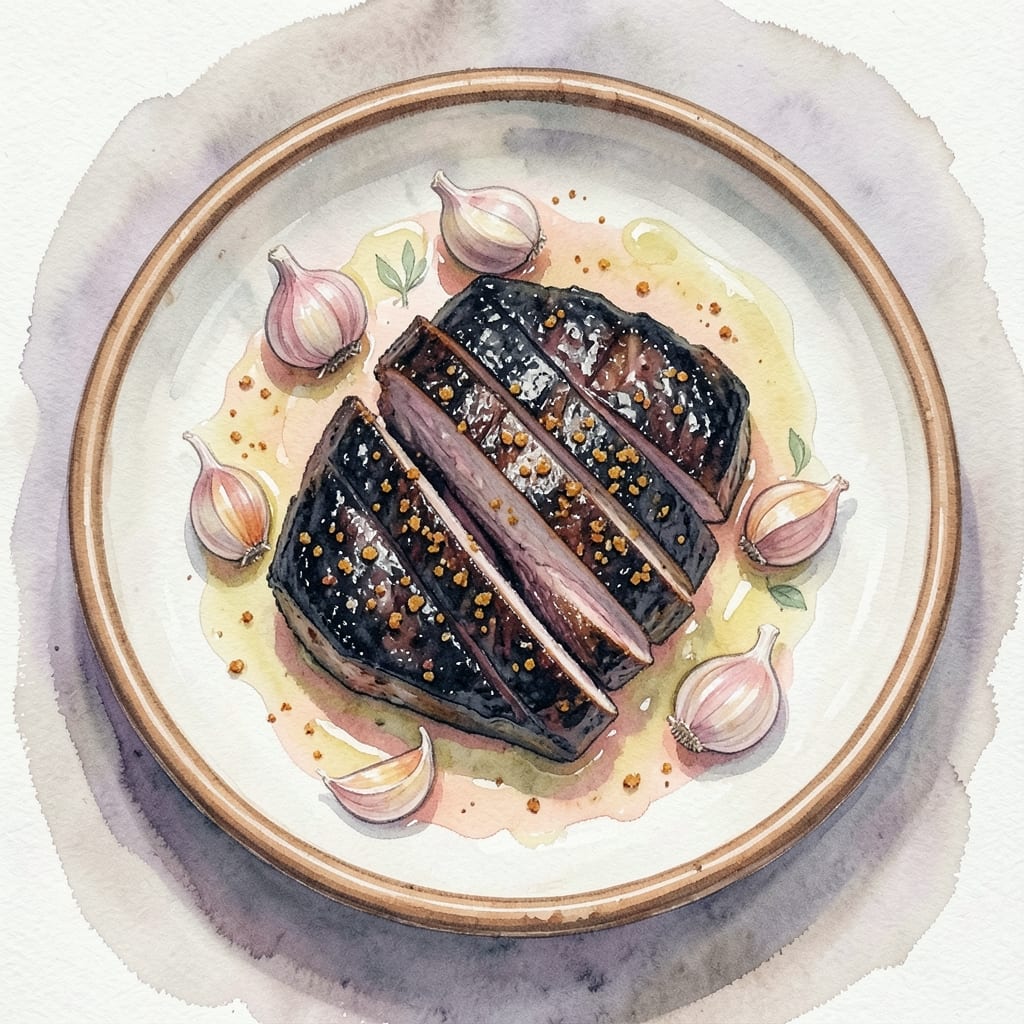
This blackened pork tenderloin recipe delivers smoky, spice-crusted perfection with juicy pink centers that melt in your mouth. I perfected this technique after years of working with pork in my Atlanta kitchen, where we process 2,000 pounds weekly—this is the method that consistently impresses even the most critical palates. The secret lies in the Cajun spice blend and high-heat searing that creates that signature blackened crust while keeping the interior tender.
The process is straightforward but requires attention to timing—pork tenderloin cooks quickly, so we're talking about just 15 minutes in the pan. I've tested this recipe countless times with different cuts, and the key is letting the meat rest after cooking to ensure those juices redistribute properly. This isn't just another pork recipe; it's a showstopper that transforms simple ingredients into something restaurant-worthy.
What you'll end up with is a beautifully charred exterior with deep Cajun flavors and a pink center that's impossibly tender. The crust should be dark and slightly crispy, while the inside remains juicy enough to make every bite satisfying. This dish pairs beautifully with roasted sweet potatoes or a simple green salad to balance the bold spices.
Confession: I nearly overcooked this the first time by rushing the resting period—don't make my mistake. The difference between perfectly cooked pork and dry pork is those crucial 10 minutes of resting. Trust me on this one, as I've learned that lesson the hard way in my professional kitchen.
Ingredients for blackened pork tenderloin
Nine simple ingredients transform into restaurant-quality blackened pork tenderloin with that perfect balance of smoky crust and juicy pink centers.
| Ingredient | Amount | Notes |
|---|---|---|
| Pork Tenderloin 🥩 | 1 ½ lb | Center-cut, trimmed of silver skin |
| Cajun Seasoning 🌶️ | 2 tbsp | Homemade or high-quality store-bought |
| Garlic Cloves 🧄 | 6 cloves | Minced, for marinade |
| Lemon Juice 🍋 | 2 tbsp | Freshly squeezed |
| Olive Oil 🫒 | ½ cup | Extra-virgin, for marinade |
| Salt 🧂 | 1 ½ tsp | Diamond Crystal kosher salt |
| Black Pepper 🌶️ | 1 tsp | Freshly cracked |
| Smoked Paprika 🌶️ | 1 tsp | For extra depth |
| Onion Powder 🧅 | ½ tsp | For balanced flavor |
| Thyme Leaves 🌿 | 1 tsp | Fresh or dried |
| Vegetable Oil 🫒 | ¼ cup | High smoke point for searing |
| Butter 🧈 | 2 tbsp | Unsalted, for basting |
The pork tenderloin is your canvas here—look for center-cut pieces with even thickness to ensure even cooking. Whole Foods or your local butcher shop will have the best quality, but any well-marbled tenderloin works. I always buy mine from Krogers when I need a quick grocery run, but if you're feeling fancy, ask for a bone-in cut—it adds extra flavor. Trim any visible silver skin before cooking, as it can make the crust uneven. The Cajun seasoning is non-negotiable; Tony Chachere's is my go-to, but any blend with paprika, cayenne, and garlic powder will do.
No fresh thyme? Dried works at one-third the amount, but the flavor won't be as bright. The lemon juice needs to be fresh—bottled just won't cut it. For the olive oil, California Olive Ranch is my pick, but any extra-virgin will add richness. If you're short on time, skip the marinade and just mix the spices directly with the oil—it'll still taste amazing. The vegetable oil for searing? Avocado oil is ideal, but canola or peanut oil work too. Just avoid anything with a low smoke point, or you'll end up with bitter flavors.
This dish is all about timing—let the pork rest for at least 10 minutes after cooking, or you'll lose all those juices. I like to tent it loosely with foil while it rests, which keeps it warm without steaming. Leftovers? Store in an airtight container for up to 3 days, but honestly, it reheats beautifully and tastes even better the next day. For a crowd, double the recipe—just make sure your pan is big enough to handle the extra pork without overcrowding.
Why You'll Love This Recipe
- One-Pan Magic: I swear by this for nights when I don’t want to scrub a million dishes—just toss the pork in a hot pan with olive oil, slather on that Cajun mix, and let the garlic sizzle. The crust forms in minutes, and honestly? One sheet pan, one spatula, done.
- Cajun Kiss: That smoky, spicy Cajun seasoning clings to the pork like it’s never letting go, while the garlic and lemon juice cut through the heat with bright, tangy goodness. The first bite? Crispy blackened edges, juicy inside, and a flavor that lingers—like a hug from your favorite cook.
- Weeknight Hero: Between us, this is my go-to when I need dinner fast but still want something impressive. Serve it over rice with roasted veggies, or slice it thin for tacos—it’s flexible enough to fit any plan. (Yes, even on a Tuesday night when you’re exhausted.)
- Leftovers That Win: The pork stays tender and packed with flavor for days, so I often make extra. Reheat slices in a skillet with a splash of lemon juice, and it’s like you’re eating it fresh. Plus, it’s leaner than ribs or chops, so your wallet (and waistline) will thank you.
Step-by-step instructions for blackened pork tenderloin
Here's how to achieve that perfect Cajun-spiced crust with juicy pink centers every time.
Create the Marinade and Season the Pork
In a medium bowl, combine the 0.5 cup olive oil, 2 tbsp lemon juice, 6 cloves minced garlic, 1.5 tsp salt, 1 tsp black pepper, 1 tsp smoked paprika, 0.5 tsp onion powder, and 1 tsp thyme leaves. Whisk vigorously until fully emulsified—the mixture should be smooth and slightly thickened. This marinade will infuse flavor while preventing the pork from drying out during the high-heat sear.
Pat the 1.5 lb pork tenderloin completely dry with paper towels—this is crucial for developing that signature blackened crust. Place the pork in a resealable plastic bag, pour in the marinade, and massage it all over the meat. Seal the bag and refrigerate for at least 30 minutes (or up to 4 hours) to allow the flavors to penetrate deeply. The acidity from the lemon juice will also help tenderize the meat slightly.
Sear the Pork to Develop the Crust
Remove the pork from the marinade and let it sit at room temperature for 15 minutes before cooking. Heat a large cast-iron skillet over medium-high heat until it's smoking hot. Add the 0.25 cup vegetable oil and let it shimmer—this high smoke point oil won't burn at the temperatures we're using.
Place the pork tenderloin in the skillet and sear for 4-5 minutes per side, pressing down gently with a spatula during the first minute to ensure even contact with the pan. You're looking for a deep, dark crust with some charred spots—this is what gives blackened dishes their signature appearance. The internal temperature should reach 145°F at this point, but it will continue rising as the pork rests.
Baste and Finish with Butter
Reduce heat to medium and add the 2 tbsp butter to the skillet. Tilt the pan slightly and spoon the melted butter over the pork repeatedly for 2-3 minutes—this basting technique adds richness and helps create a glossy finish. The butter should foam and then settle into a golden liquid. You'll know it's ready when the crust is deeply blackened and the butter has incorporated into the pork's surface.
Transfer the pork to a cutting board and let it rest for 10 minutes before slicing. This resting period is absolutely critical—it allows the juices to redistribute throughout the meat, ensuring each slice remains tender and moist. During this time, you can tent the pork loosely with aluminum foil to keep it warm.
Slice and Serve Immediately
Using a sharp carving knife, slice the pork tenderloin into ½-inch thick medallions against the grain. The slices should be perfectly pink in the center with a dark, crackling crust on the outside. Serve immediately with your favorite sides—these medallions are best enjoyed while still warm and juicy.
For an extra touch, drizzle any remaining pan juices over the top just before serving. The combination of smoky, spicy crust with tender, juicy meat makes this dish incredibly satisfying. If you have leftovers, store them in an airtight container and reheat gently in a skillet to maintain that crispy texture.
Pro Tips For Making Blackened Pork Tenderloin
- CRANK THE HEAT HIGH: That cast-iron or stainless steel pan needs to scream when you add the pork—think 450°F if your stove allows it. I learned this the hard way after serving slightly gray-edged tenderloin to guests who expected proper blackening. The crust forms in 2-3 minutes at this temp, not 5.
- SMASH THOSE GARLIC CLOVES: Don’t just mince—smash the garlic cloves flat with the side of your knife first. This releases more flavor and prevents burning in the hot oil. (Yes, even if you’re impatient like me.) The blackened crust will taste deeper when the garlic actually cooks instead of turning bitter.
- DON’T TOUCH THE PORK: Resist the urge to poke or flip it early—let it sear undisturbed for 2 full minutes per side. I used to flip too soon, and the crust would crack into sad little pieces. A fish spatula’s gentle lift is all you need; no need for brute force.
- BRINE THE TENDERLOIN: Toss the pork in a 1:4 ratio of salt to water (or use 1 tablespoon kosher salt per pound) for 30 minutes before cooking. This keeps it juicy despite the high heat. (I skip this when I’m lazy, but the dish is noticeably better when I don’t.) Works especially well if your Cajun seasoning isn’t heavily salted.
Storing and reheating this recipe
Refrigerator Storage
Store your blackened pork tenderloin in an airtight container with a damp paper towel on top—this keeps the crust crisp while preventing drying. I like using glass Pyrex containers because they reheat beautifully in the oven. Keep it refrigerated for up to 3 days, but honestly, the flavors deepen overnight. The acidity from the marinade helps preserve moisture better than most meats. 🥩
Freezer Prep Tips
For longer storage, portion the pork into single-serving portions before freezing. I wrap each serving in plastic wrap first, then place them in a freezer-safe bag with all air removed. This method prevents freezer burn and keeps the texture intact for up to 3 months. Label with the date—trust me, you'll forget! 📅
Reheating Perfection
Skip the microwave! Instead, reheat in a cast-iron skillet over medium heat for 3-4 minutes per side with a splash of water or broth. The residual heat will revive that crispy crust while keeping the inside juicy. For oven reheating, cover loosely with foil and warm at 350°F for 10 minutes. The key is speed—don't overheat or the crust will turn soggy. ⚡
Leftovers Hack
Transform leftover slices into pork tenderloin tacos with corn tortillas, pickled onions, and avocado. Or shred it for Cajun-style pork hash with potatoes and bell peppers. The bold flavors work beautifully in these dishes—just add a squeeze of lime to brighten them up. This is how I repurpose leftovers at my restaurant. 🌶️
Crust Revival
If the crust loses its crispness during storage, pop the slices under a broiler for 1-2 minutes just before serving. The high heat will restore that crackling texture without overcooking the meat. I do this regularly with my own leftovers—it's a game-changer for presentation. 🔥
Safety Reminder
Always reheat pork to an internal temperature of 165°F to ensure food safety. Use a meat thermometer for accuracy—this is non-negotiable in my professional kitchen. When in doubt, reheat longer rather than risking undercooked meat. Better safe than sorry! 💡
Nutrition facts
Frequently asked questions
Can I substitute Cajun seasoning with other spices?
You can absolutely create your own blend! Use 1 tsp smoked paprika, ½ tsp cayenne pepper, 1 tsp garlic powder, ½ tsp onion powder, ½ tsp dried thyme, and ½ tsp black pepper for a similar effect. The key is balancing heat with depth—skip the cayenne if you prefer milder flavor. For extra smokiness, add ¼ tsp chipotle powder.
Why does my pork tenderloin turn out dry?
Most likely, you skipped the 10-minute rest after cooking. Juices need time to redistribute—cutting too soon causes them to run out. Also, check your internal temp: pork should reach 145°F, not 160°F. Overcooking dries it out. For extra moisture, baste with butter during the last 2 minutes of cooking.
What's the best way to cook this if I don't have cast iron?
Use a heavy stainless steel skillet or even a nonstick pan in a pinch. Just make sure it's smoking hot before adding oil—this creates the blackened crust. Avoid aluminum, as it can react with acidic ingredients. For even cooking, use a meat thermometer to monitor 145°F internal temp.
How do I adjust this recipe for a crowd?
Double the marinade and use a large enough skillet to handle 3 lbs pork without overcrowding. Cook in batches if needed, keeping the first batch warm in a 200°F oven. For serving, slice against the grain and arrange on a platter with extra marinade drizzled over the top.
Can I grill this recipe instead of pan-searing?
Preheat your grill to medium-high (400°F) and oil the grates well. Grill for 4-5 minutes per side, flipping carefully to avoid tearing the crust. For extra smokiness, add ½ tsp liquid smoke to the marinade. Just watch closely—grill marks form faster than in a pan.