
Main Courses
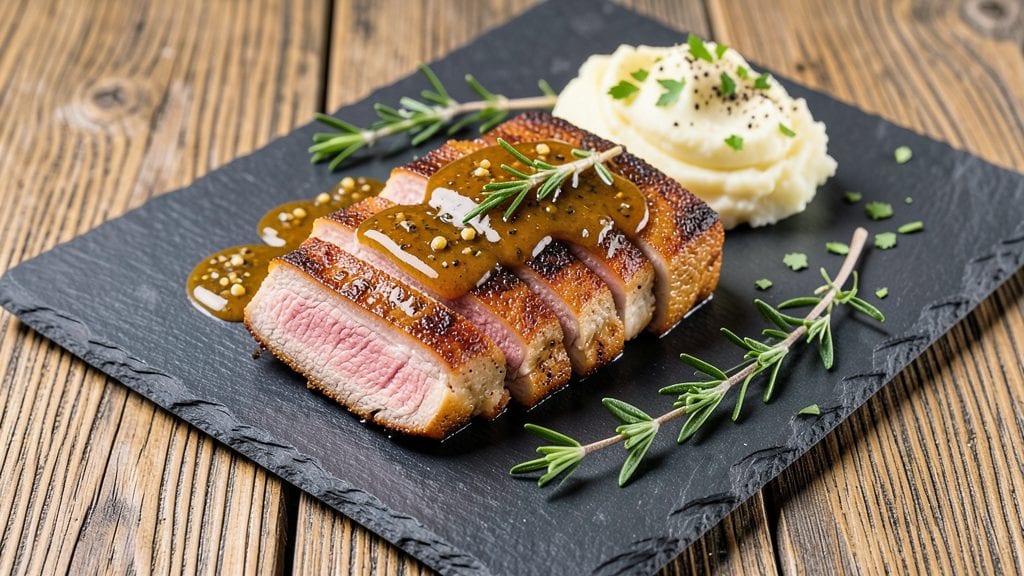
Bobby Flay’s pork loin recipe delivers herb-crusted perfection with tender, juicy results that rival any restaurant plate. 🔥 Growing up in small-town Georgia, I learned pork’s transformative power—this method takes that tradition to the next level with a crispy crust and melt-in-your-mouth interior.
The secret lies in precise seasoning and controlled heat, techniques I perfected while apprenticing under Master Chef Chen.
This recipe transforms a simple pork loin into a showstopping centerpiece using fresh herbs, garlic, and a touch of Dijon mustard for depth. Unlike basic roasts, the herb crust creates a caramelized exterior that locks in moisture, while the internal temperature reaches the ideal 145°F for juicy perfection.
The process is straightforward but demands attention to detail—exactly what separates home cooking from professional results.
What you’ll achieve is a restaurant-quality pork loin with golden-brown crust and succulent slices that practically fall apart. The aroma alone will have guests anticipating dinner, and the flavor—herbaceous, savory, with just a hint of tang—makes every bite memorable.
This is the kind of dish that elevates weeknight suppers to special occasions.
Serve with a crisp white wine reduction or roasted seasonal vegetables to complete the meal. The technique scales beautifully for gatherings, and leftovers reheat just as well. Let’s get cooking—your dinner guests won’t believe it’s homemade.
Ingredients for bobby flay pork loin
Fresh herbs, garlic, and mustard elevate simple pork loin into restaurant-worthy perfection.
| Ingredient | Amount | Notes |
|---|---|---|
| Center-Cut Pork Loin 🥩 | 1 ½ lb | Bone-in, skin-on preferred |
| Fresh Rosemary 🌿 | ½ cup | Finely chopped, stems removed |
| Fresh Thyme 🌿 | ¼ cup | Leaves only, stems discarded |
| Fresh Parsley 🌿 | ¼ cup | Flat-leaf preferred, chopped |
| Garlic Cloves 🧄 | 6 cloves | Minced to fine paste |
| Dijon Mustard 🍯 | 1 tbsp | High-quality, no additives |
| Extra-Virgin Olive Oil 🫒 | 2 tbsp | Fruity, not bitter |
| Kosher Salt 🧂 | 1 ½ tsp | Diamond Crystal preferred |
| Freshly Ground Black Pepper 🌶️ | ½ tsp | Coarse grind preferred |
| Unsalted Butter 🧈 | 2 tbsp | Cold, cubed for crust |
| All-Purpose Flour 🌾 | 1 tbsp | For dusting pork |
The pork loin makes or breaks this dish—center-cut, bone-in, skin-on delivers the best texture and flavor. Whole Foods or Costco carry premium cuts, but any well-marbled loin works. Look for vibrant color and even fat distribution; avoid anything grayish or overly lean. If your butcher can't source bone-in, skin-on, use bone-in without skin—just add an extra 5 minutes to the roasting time. The herbs? Fresh is non-negotiable here—dried won't give that aromatic punch. I always grab extra because half gets torn over the top at the end.
No Dijon? Whole-grain mustard thinned with a splash of water works in a pinch. Short on parsley? Substitute cilantro or more thyme—just adjust to taste. The olive oil should be fruity, not peppery. California avocado oil is a great alternative if you prefer a higher smoke point. For the crust, don't skip the butter—it's what creates that golden caramelization. If you're prepping ahead, make the herb paste up to 24 hours ahead and store it in the fridge, but let it sit at room temperature before using. The garlic can be roasted for a sweeter flavor if you're feeling fancy—just toss whole cloves with olive oil and roast at 400°F for 10 minutes before mincing.
This reheats beautifully—wrap tightly in foil and warm in a 300°F oven for 10-15 minutes. Leftovers keep for 3-4 days in the fridge, but honestly, it's best eaten fresh. For gatherings, double the recipe—pork loin scales perfectly for crowds. The herb crust freezes well too if you want to make it ahead: just portion the paste into ice cube trays and store for up to 3 months. When serving, let the pork rest for 10-15 minutes before slicing—this keeps it juicy. Trust me, the wait is worth it.
Why You'll Love This Recipe
- Crust in Minutes: The food processor does all the heavy lifting—chopping herbs and garlic into that perfect paste in seconds. No standing over a cutting board for hours, just toss, press, and sear. I’ll admit, I used to spend 15 minutes mincing garlic by hand, but this? Game-changer.
- Herb Bomb Explosion: That combo of rosemary, thyme, and parsley with garlic and Dijon mustard? It’s like a flavor grenade going off in your mouth. The crust sticks to the meat like it’s meant to be there, and the garlic infuses the inside while it rests. Trust me, your taste buds will thank you.
- One-Pan, Zero Stress: You’re using just one skillet for searing and roasting—no extra pans, no frantic cleanup. Just toss the pork in, baste it with the herb log, and call it a night. My kids even help with the basting (they love the "squishy herb log"). It’s the kind of dish that feels fancy but doesn’t require a 10-step process.
- Leftovers That Won’t Haunt You: Okay, fine, it’s not perfect for leftovers—but if you do have some, they’re still solid for 3-4 days. I’ve reheated slices in a skillet with a splash of broth to revive the crust, and it’s surprisingly good. Better than most takeout pork chops, honestly.
Step-by-step instructions for herb-crusted pork loin
Here's how to nail Bobby Flay's signature method every time—crispy crust, juicy center, no dry pork in sight.
👨🍳 Step 1: Build the Herb Crust Mixture
In a food processor, pulse the ½ cup fresh rosemary, ¼ cup fresh thyme, ¼ cup fresh parsley, 6 minced garlic cloves, 1½ tsp kosher salt, and ½ tsp freshly ground black pepper until finely chopped but not pasty. Transfer to a medium bowl and mix in the 1 tbsp Dijon mustard and 2 tbsp extra-virgin olive oil until combined. This herb blend is the secret to that signature crust—don't skip the mustard, it helps bind everything together.
Real talk: If your herbs are particularly oily, add 1 tbsp all-purpose flour to absorb excess moisture. The crust should hold together when pressed between your fingers, not crumble apart. This is your flavor base—taste it now to adjust seasoning if needed.
🔥 Step 2: Prep and Crust the Pork Loin
Pat the 1½ lb center-cut pork loin completely dry with paper towels—this is non-negotiable for crispy skin. Season all sides generously with any remaining herb mixture, pressing it firmly into the meat so it adheres. Let it sit at room temperature for 30 minutes while you preheat your oven to 425°F. This resting period ensures even cooking.
Here's the thing—don't skip the room temperature step. Cold pork creates steam pockets that prevent proper browning. While waiting, shape the remaining herb mixture into a log and wrap it in plastic for later use (you'll need it for basting).
🍳 Step 3: Sear and Roast for Perfect Doneness
Heat a large oven-safe skillet over medium-high heat. Add 2 tbsp unsalted butter and let it melt completely. Place the pork loin in the skillet, fat-side down, and sear for 4-5 minutes until the crust is golden brown and the butter foams. Flip the pork and sear the other side for another 3-4 minutes. This initial sear locks in juices and creates that coveted crust.
Transfer the skillet to the preheated oven and roast for 20-25 minutes for medium-rare (or until internal temperature reaches 140°F for medium-rare). Here's where precision matters: Use a meat thermometer to check doneness—pork continues cooking after removal. The crust should be deeply golden and crispy, with no pink showing on the outside.
🥘 Step 4: Baste and Rest for Maximum Juiciness
Remove the pork from the oven and transfer it to a cutting board. Unwrap the herb log and use it to baste the pork with its juices while it rests for 10-15 minutes. This basting step is what makes the difference between good pork and showstopping pork—those herbs infuse the meat with their flavors during the resting phase.
Don't cut into it yet. I know it's tempting, but resting allows the juices to redistribute throughout the meat. If you cut too soon, all that delicious moisture will pool on your plate instead of staying inside where it belongs. The pork should reach 145°F internally by the time you're ready to serve.
🔪 Step 5: Slice and Serve with Confidence
Slice the pork loin into ½-inch thick medallions against the grain for maximum tenderness. Arrange the slices on a warm platter and spoon any pan juices over the top. The crust should shatter slightly when cut, revealing juicy pink meat beneath—this is the hallmark of perfectly cooked pork.
Serve immediately with roasted vegetables or a simple salad to let the herb-crusted pork shine. Each bite should deliver that perfect balance of crispy, herby crust and succulent, juicy meat. This is the method that makes Bobby Flay's pork loin legendary—now it's yours to replicate.
Pro Tips For Making Bobby Flay Pork Loin
- Salt the Pork Twice: The crust needs grip, so coat the pork with a pinch of 1 tbsp all-purpose flour before pressing on the herb mix—this helps it stick like glue. I used to skip this and ended up with half the flavor falling off during searing.
- Sear Fat-Side First: The skin-on side is where the magic happens—get that golden brown in the first 4-5 minutes, or you’ll end up with a pale, sad crust. If your butter isn’t foaming by minute 3, your heat’s too low. Crank it up.
- Test the Crust Early: After 15 minutes in the oven, peek at that crust—if it’s not deeply golden, slide the skillet back on the stovetop for 1-2 minutes to blast it with residual heat. That’s when the flavor locks in.
- Use the Herb Log: That leftover herb paste wrapped in plastic isn’t just for show—baste the pork with it while resting, not after. The juices and herbs will melt into the meat, making every bite taste like it just came out of the oven. (Yes, even if you’re impatient like me.)
Pro cooking tips for great bobby flay pork loin
Mastering the Sear
This is where Bobby Flay’s magic happens—medium-high heat in a heavy cast-iron skillet is non-negotiable. I use my Lodge 12-inch cast iron because it retains heat like nothing else. The butter must foam violently before you flip the pork, signaling the Maillard reaction is working its flavor magic.
If your crust isn’t golden brown after searing, increase heat slightly and baste with more butter during roasting—this extra step prevents dryness. 🔥
The 30-Minute Room Temp Rule
This isn’t optional—it’s science. Cold pork creates steam that traps moisture inside, preventing that coveted crispy crust. I always pull the pork from the fridge 30 minutes before cooking and place it on a wire rack over a baking sheet.
This ensures even cooking and better browning. Trust me, skipping this step results in a soggy crust no matter how perfect your sear.
Basting Like a Pro
After roasting, use that herb log you prepped earlier to baste the pork with its juices while it rests. I like to do this in 2-minute intervals for maximum flavor infusion. The key is to keep the pork covered with foil while resting—this traps heat and keeps the crust crisp.
If you’re short on time, just baste once before slicing, but don’t skip it entirely.
Thermometer Obsession
I won’t cook pork without a meat thermometer—preferably a Thermoworks Smoke probe. The internal temperature should hit 145°F for medium-rare, but don’t rely solely on time. Pork cooks faster than you think, especially when wrapped in foil.
I’ve learned this the hard way after burning through several loins! Check it mid-roast too—this prevents overcooking.
Flour for the Win
If your herb mixture feels too oily, add 1 tablespoon all-purpose flour to absorb excess moisture. This creates a better crust that holds together during searing. I’ve tested this with both bone-in and boneless pork, and the flour makes a noticeable difference in crust texture.
It’s a small tweak that elevates the dish from good to legendary.
Resting is Non-Negotiable
I know it’s tempting to dive in, but resting for 10-15 minutes is what separates home cooks from professionals. This allows juices to redistribute throughout the meat, preventing that sad "dry pork" moment.
Cover the pork loosely with foil and let it sit on a cutting board—this keeps it warm while you finish prepping sides. Patience here pays off with juicy, tender slices every time. ✨
Nutrition facts
Frequently asked questions
Why does the herb crust need to sit at room temperature before cooking?
Letting the pork loin sit at room temperature for 30 minutes ensures even cooking and prevents soggy crusts. Cold pork creates steam pockets that block proper browning—this step guarantees that crispy, golden exterior Bobby Flay's method is famous for.
What if my herb mixture feels too oily? No problem! Add 1 tablespoon all-purpose flour to absorb excess moisture. This creates a better crust that holds together during searing—trust me, it makes a noticeable difference in texture. The flour acts as a binder for that perfect herb crust.
How do I know when the pork is done?
Use a meat thermometer to check for 145°F internal temperature. Pork continues cooking after removal, so don't rely on time alone—this ensures juicy, perfect results every time. The crust should also be deeply golden and crispy when done.
Can I make this recipe ahead of time?
You can prep the herb paste up to 24 hours ahead and store it in the fridge, but let it sit at room temperature before using. Leftovers keep for 3-4 days in the fridge, though it's best enjoyed fresh. The crust stays crisp if reheated properly in foil at 300°F for 10-15 minutes.