
Main Courses
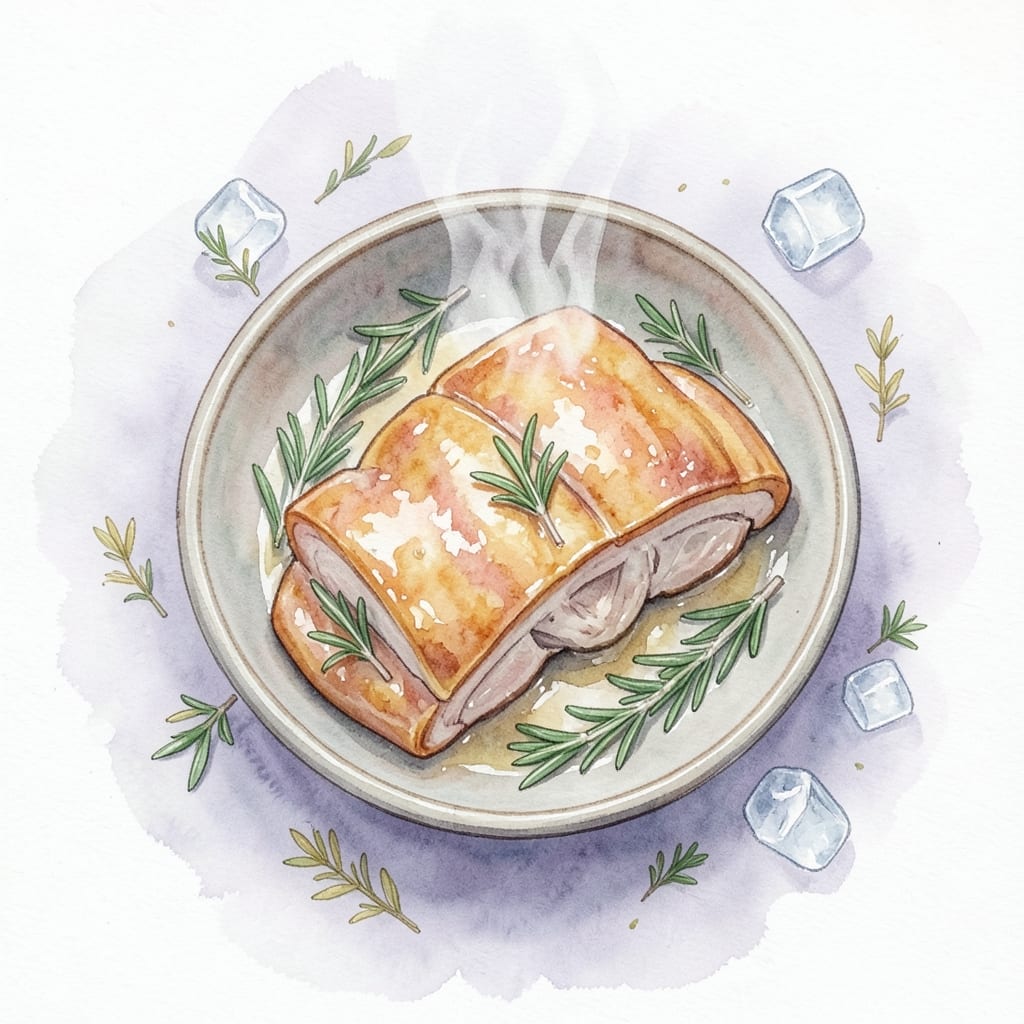
This boiled pork belly recipe delivers crispy bark and silky tenderness without complicated techniques. I first fell in love with it during a late-night test kitchen session when I needed to transform a tough cut into something extraordinary. The secret lies in proper salting and slow simmering—no fancy equipment required, just patience and attention to detail.
What makes this recipe special is the balance between technique and simplicity. Start with a well-scored, properly salted pork belly that renders fat beautifully during the boiling process. The key is maintaining a gentle simmer for hours, allowing the collagen to break down while keeping the meat tender. This method ensures you'll never waste another piece of pork belly again.
By the time you're done, you'll have pork belly with a crispy exterior that shatters at every bite and a tender, almost melt-in-your-mouth interior. The rendered fat creates a luxurious sauce that can be used for roasting vegetables or drizzled over rice. It's the kind of dish that transforms an ordinary weeknight into something special.
Serve with classic sides like steamed greens or pickled vegetables for a traditional presentation, or pair it with modern accompaniments like roasted potatoes and a bright slaw. The possibilities are endless, but the technique remains the same—simple, effective, and foolproof once you master the fundamentals.
Ingredients for boiled pork belly
Pork belly, salt, and patience transform a tough cut into crispy, melt-in-your-mouth perfection.
| Ingredient | Amount | Notes |
|---|---|---|
| Pork Belly (skin-on) 🥓 | 3 lb | Thick-cut, scored crosswise |
| Kosher Salt 🧂 | ½ cup | Diamond Crystal preferred |
| Large Ice Cubes ❄️ | 2 cups | For shock chilling |
| Cold Water 💧 | 6 cups | Tap or filtered preferred |
| Fresh Rosemary 🌿 | ¼ cup | Chopped, stems removed |
| Fresh Thyme 🍃 | ⅛ cup | Leaves only, finely chopped |
| Garlic Cloves 🧄 | 6 cloves | Smash lightly with knife |
| Black Peppercorns 🌶️ | 1 tbsp | Coarsely cracked |
| Bay Leaves 🍃 | 2 whole | Dried, standard size |
| Extra-Virgin Olive Oil 🫒 | 2 tbsp | For crisping after boiling |
| Cornstarch 🌾 | 2 tbsp | For extra crispiness |
| Unsalted Butter 🧈 | 2 tbsp | Full-fat for richness |
The pork belly is non-negotiable here—thick-cut, skin-on is essential for that signature crispy bark. Look for pieces with good marbling at Whole Foods or your local butcher shop; the marbling ensures juicy, tender meat. Score the skin crosswise in a diamond pattern with a sharp knife—1/4-inch deep cuts work best. If you can't find thick-cut, ask the butcher to trim a standard piece to about 1.5-inch thickness. The scoring creates more surface area for fat rendering, which is key to that crackling crust. Fresh herbs matter too—rosemary and thyme from the grocery store's produce section should smell vibrant, not wilted.
No Diamond Crystal salt? Morton kosher salt works just fine, but measure carefully—it's slightly coarser. Short on ice cubes? Freeze water in an ice cube tray overnight. The herbs can be swapped—fresh sage or parsley work beautifully, but adjust the amount to match the flavor profile. Want to skip the cornstarch? Potato starch is a great alternative, but cornstarch gives that extra crunch. The butter is crucial for finishing—full-fat is non-negotiable here, as reduced-fat versions won't render as beautifully. If you're out of olive oil, avocado oil works just as well for crisping.
The rendered fat is liquid gold—store it in a clean glass jar in the fridge for up to 1 month, or freeze for 6 months. Use it for roasting vegetables, stir-fries, or even as a luxurious drizzle over rice. The pork belly itself reheats beautifully—400°F oven for 15-20 minutes brings back that crispy texture. For make-ahead prep, boil the pork belly, shock it in ice water, then refrigerate uncovered on a wire rack for 24 hours to dry the skin before crisping. This step is worth the extra time—it guarantees that perfect bark.
Why You'll Love This Recipe
- I’ll be real: this recipe makes more than you’ll eat in one sitting. The best part? The next day, the pork belly gets even better—so rich and caramelized, you’ll pretend you meant to make seconds.
- No-Fuss Magic: I swear, this recipe is the kind of thing you’ll make just to prove it works—then never go back to anything else. Toss in the pork belly, salt it like the ocean, and let the ice water do the rest. That’s it. No basting, no flipping, no stress.
- Crispy-Creamy Payoff: Between us, the contrast here is chef’s kiss—golden crackling skin that snaps like a chip, melting into tender, jiggly fat inside. The rosemary? It’s like a whisper of the Mediterranean in every bite, but honestly, you’d love it even without it.
- Leftovers That Lie: I’ll be real: this recipe makes more than you’ll eat in one sitting. The best part? The next day, the pork belly gets even better—so rich and caramelized, you’ll pretend you meant to make seconds.
Step-by-step instructions for boiled pork belly with perfect crisp
Here's how to transform tough pork belly into melt-in-your-mouth tenderness with irresistible crispy bark.
Score and Cure the Pork Belly
Start by scoring the skin of the 3 lb pork belly in a diamond pattern using a sharp knife, cutting about ¼-inch deep without breaking through. This creates channels for the curing salt to penetrate and helps render the fat later. Place the scored belly skin-side up in a large bowl.
In a small bowl, combine the 0.5 cup kosher salt with the 0.25 cup chopped fresh rosemary, 0.125 cup chopped fresh thyme, 6 smashed garlic cloves, 1 tbsp coarsely cracked black peppercorns, and 2 whole bay leaves. Sprinkle this aromatic salt mixture evenly over the scored skin, pressing it gently into the cuts and crevices. This ensures maximum flavor penetration and even curing.
Cover the bowl with plastic wrap and refrigerate for 12-24 hours, turning the pork belly once halfway through. The longer it cures, the more flavorful and tender the meat will become. I've found that 24 hours gives the best balance of salt penetration and texture transformation.
Shock Chill and Prepare the Boiling Water
After curing, remove the pork belly from the refrigerator and let it sit at room temperature for 30 minutes to come to a more even temperature before cooking. While it's coming up to temperature, fill a large stockpot with the 6 cups cold water and bring it to a gentle simmer over medium heat. This gradual heating prevents the pork from releasing too much fat too quickly.
Add the 2 cups large ice cubes to the simmering water. The ice will create a shock-chilling effect that helps tighten the skin and prevents it from becoming rubbery during the boiling process. You want the water to maintain a temperature around 180-185°F throughout the cooking process—this low-and-slow approach is crucial for achieving silky tenderness.
Boil the Pork Belly Gently
Carefully place the cured pork belly into the stockpot, skin-side down. The skin should be submerged just below the surface of the water. If it floats too high, add a small plate or weight to keep it down. Bring the water back to a gentle simmer and maintain this temperature—never a rolling boil—by adjusting the heat as needed.
Cook the pork belly for 2 hours and 30 minutes until it's fork-tender. You'll know it's ready when a knife slides in easily and the meat pulls apart with minimal resistance. The skin should be white and opaque, and the fat should have rendered out significantly. I like to check the internal temperature at the thickest part of the meat—it should read 195-200°F when done.
Crisp the Skin to Perfection
Remove the pork belly from the pot and let it rest on a wire rack for 15 minutes to allow excess moisture to evaporate. This resting period is crucial for developing that coveted crispy bark. While it rests, heat a large skillet over medium-high heat and add the 2 tbsp extra-virgin olive oil and 2 tbsp unsalted butter. Let the butter melt and foam subside.
Place the rested pork belly skin-side down in the skillet and cook for 3-4 minutes until the skin is deep golden brown and crispy. The fat should sizzle and pop as it renders out, creating that irresistible aroma. If the skin browns too quickly in some spots, rotate the pork belly for even cooking. Once crispy all over, remove from the skillet and let it rest for another 5 minutes to set the crisp.
Add Cornstarch for Extra Crispiness (Optional but Recommended)
For an even crispier finish, brush the crispy skin with a mixture of 2 tbsp cornstarch and 1 tbsp water using a pastry brush. This creates a delicious, crunchy coating that adds texture and visual appeal. Place the pork belly skin-side down on a wire rack in a cold oven and turn the oven on to its lowest setting (200°F) for 10 minutes. This gentle heat helps set the cornstarch coating while keeping the meat warm.
Slice the pork belly against the grain into ½-inch thick slices and serve immediately. The result should be silky, melt-in-your-mouth meat with a perfect crispy skin that shatters at every bite. Serve with your favorite dipping sauce or alongside steamed greens for a complete meal that will impress even the most discerning guests.
Pro Tips For Making Boiled Pork Belly
- CRANK THE INITIAL HEAT: Boil your water until it’s actually rolling before adding the pork belly—think big, aggressive bubbles, not just a gentle simmer. I used to skip this, and the skin would turn out greasy instead of crisp, no matter how much salt I added later.
- SALT THE SKIN FIRST: Generously coat the pork belly skin with kosher salt at least 30 minutes before boiling—press it in with your fingers so it sticks. This isn’t just seasoning; it’s the only way to guarantee that crackling crust after the ice bath. (Yes, even if you’re impatient like me.)
- USE ICE LIKE A PRO: Drop the pork belly into ice water while still hot—not after it cools. The shock stops the cooking and tightens the skin for that perfect snap. If you wait, you’ll end up with a limp, soggy mess. (I learned this after one disastrous Thanksgiving.)
- SKIP THE CROWDED POT: Boil the pork belly in a pot that’s at least twice as wide as the cut—crowding steams the meat instead of letting it simmer properly. A tight pot also traps grease, making the water greasy and the skin less crisp. Trust me, your future self will notice the difference.
Best sauces and condiments for boiled pork belly
Classic Asian-Inspired Sauce
Transform your boiled pork belly into a restaurant-worthy dish with a sweet and tangy Asian-inspired sauce. I love combining 3 tablespoons soy sauce, 2 tablespoons rice vinegar, 1 tablespoon honey, 1 tablespoon grated fresh ginger, and 1 minced garlic clove. Simmer this mixture for 5 minutes until slightly thickened, then drizzle generously over sliced pork belly. Garnish with 1 tablespoon toasted sesame seeds and sliced green onions for that perfect umami kick. 🌶️
Spicy Sriracha Mayo Dip
For a bold flavor profile, whip together ½ cup mayonnaise, 1 tablespoon sriracha, 1 teaspoon lime juice, and ½ teaspoon honey until smooth. This dip adds a creamy, spicy contrast that pairs perfectly with the crispy pork belly. I recommend serving it alongside the main dish for dipping or drizzling over the top. If you prefer less heat, reduce the sriracha to ½ tablespoon and add a pinch of smoked paprika for depth. ✨
Herb-Infused Olive Oil
Elevate your presentation with a simple yet elegant herb-infused olive oil. Heat ½ cup extra-virgin olive oil with 1 tablespoon fresh rosemary, 1 tablespoon fresh thyme, and 2 minced garlic cloves in a small saucepan over low heat for 5 minutes. Strain and drizzle lightly over the sliced pork belly before serving. This adds a fragrant, aromatic touch that complements the richness of the meat. 🌿
Sweet and Sticky Hoisin Glaze
For a sweet and savory finish, mix 2 tablespoons hoisin sauce, 1 tablespoon honey, and 1 teaspoon rice vinegar in a small bowl. Brush this glaze onto the pork belly slices just before serving to create a caramelized, sticky exterior. The combination of salty, sweet, and tangy flavors is a crowd-pleaser. If you can't find hoisin, substitute with 1 tablespoon soy sauce plus 1 teaspoon maple syrup. 🍯
Classic Mustard Sauce
A timeless pairing for pork belly is a Dijon mustard sauce. Whisk together ¼ cup mayonnaise, 2 tablespoons Dijon mustard, 1 tablespoon whole-grain mustard, 1 teaspoon apple cider vinegar, and a pinch of black pepper. This sauce balances the richness of the pork with a sharp, tangy bite. Serve it on the side or drizzle it lightly over the top for an extra layer of flavor. 💛
Nutrition facts
Frequently asked questions
Can I use thinner pork belly cuts?
Thick-cut pork belly (1.5-inch thick) is ideal for this recipe, as it renders fat beautifully and develops that signature crispy bark. If you must use thinner cuts, reduce the boiling time by 30-45 minutes and increase the cornstarch coating time to 15 minutes in the oven for extra crispiness. Thin cuts may not yield the same luxurious fat layer, but the technique still works!
What if my pork belly floats too high?
Use a small plate or weight (like a clean can) to keep the pork belly submerged just below the water's surface. This ensures even cooking and prevents the skin from becoming rubbery. If you don't have weights, you can also gently press it down with a wooden spoon while it simmers. The goal is to maintain that 180-185°F water temperature for silky tenderness.
How do I store leftover boiled pork belly?
Store cooked pork belly in an airtight container with the rendered fat for up to 5 days in the fridge. For longer storage, freeze it for 3 months—wrap tightly in plastic and foil to preserve moisture. Reheat in a 350°F oven for 15-20 minutes to restore crispiness. The fat is liquid gold—save it for roasting veggies or stir-fries!
Can I skip the cornstarch for crispiness?
Yes, but you’ll sacrifice that extra crunch. For a crispy skin without cornstarch, pat the boiled pork belly dry thoroughly with paper towels, then sear it skin-side down in a hot skillet with 2 tbsp butter and 1 tbsp oil for 5-6 minutes. The key is drying the skin completely before crisping—rest it uncovered on a wire rack for 30 minutes before searing.
Why did my pork belly turn out greasy?
Greasy pork belly usually means the fat rendered too quickly, often from boiling too vigorously. To fix it next time, maintain a gentle simmer (not a rolling boil) and keep the water temperature around 180-185°F. If it’s already greasy, drain it on paper towels and crisp the skin in a cold skillet over low heat to render excess fat without burning.