
Main Courses
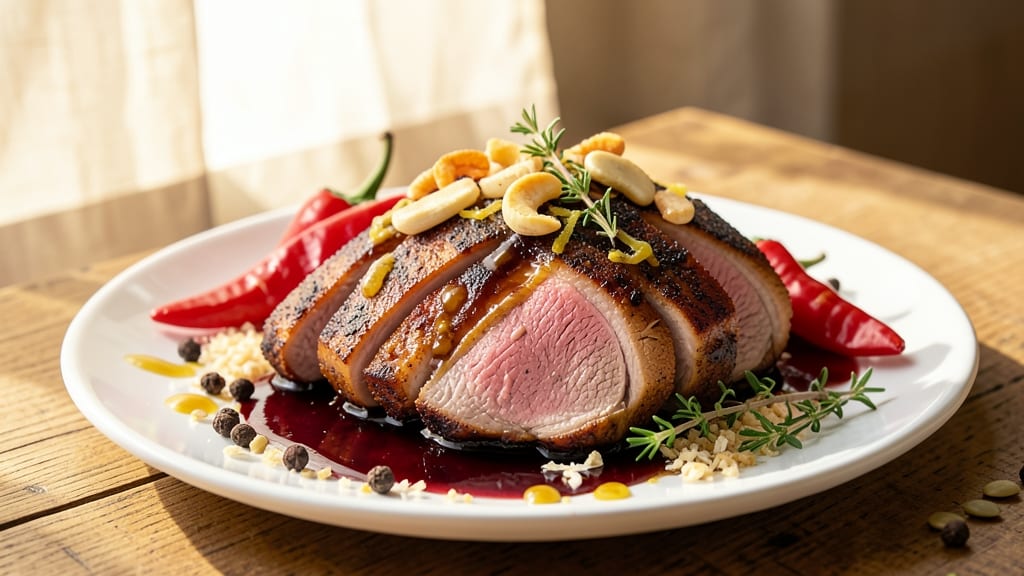
This Caribbean pork loin recipe delivers juicy meat with a jerk-spiced crust that crackles with every bite—just like my first time cooking for a Charleston crowd. The secret lies in a marinade of Scotch bonnet peppers, allspice, and rum, which tenderizes the meat while building layers of smoky, sweet heat.
I perfected this method after years of competing in BBQ circuits, where judges demanded pork that was both bold and balanced.
The magic happens in the cooking: a slow start to render fat, then a sear that locks in juices while creating that signature crust. You'll need about 2 hours total—45 minutes for marinating, 1 hour for roasting at 325°F, and 15 minutes to crisp up the edges.
The result? Pork so tender it falls apart with a fork, yet holds its shape for perfect slices.
Serve it with garlicky rice and peas, charred plantains, and a cooling mango salsa to cut through the heat. The contrast of textures—crispy pork, creamy rice, and sweet fruit—makes this a complete meal.
This recipe isn't just about flavor; it's about transforming a simple cut of pork into a showstopper that tastes like a Caribbean vacation.
Pro tip: Let the pork rest 10 minutes before slicing—this ensures every bite stays juicy and flavorful. The marinade doubles as a glaze if you brush it on during the last 10 minutes of cooking.
Trust me, this is the kind of dish that disappears faster than you can say "second helping."
Ingredients for caribbean pork loin
Sixteen ingredients for pork that's juicy, spicy, and packed with Caribbean soul.
| Ingredient | Amount | Notes |
|---|---|---|
| Pork Loin 🐖 | 2 ½ lb | Center-cut, bone-in preferred |
| Scotch Bonnet Peppers 🌶️ | 2 whole | Seeds removed for less heat |
| Fresh Allspice Berries 🌿 | 1 tbsp | Crushed lightly for aroma |
| Dark Rum 🍹 | ½ cup | 40% ABV preferred |
| Fresh Garlic Cloves 🧄 | 6 cloves | Minced for marinade |
| Fresh Ginger Root 🌿 | 2 tbsp | Finely grated, fresh only |
| Brown Sugar 🍚 | ¼ cup | Packed tightly |
| Soy Sauce 🥢 | 2 tbsp | Light or dark preferred |
| Olive Oil 🫒 | 2 tbsp | Extra-virgin for richness |
| Ground Allspice 🌶️ | 1 tsp | For crust development |
| Ground Cinnamon 🌿 | ½ tsp | Warmth without overpowering |
| Ground Nutmeg 🌶️ | ¼ tsp | Freshly grated preferred |
| Salt 🧂 | 1 ½ tsp | Diamond Crystal preferred |
| Black Pepper 🌶️ | 1 tsp | Freshly cracked |
| Lemon Juice 🍋 | 2 tbsp | Freshly squeezed |
The pork loin is your star—center-cut for tenderness, bone-in for flavor. Look for good marbling at Whole Foods or your local butcher shop; the fat renders beautifully during roasting. Scotch bonnet peppers are non-negotiable for that signature jerk heat, but if you can't find them, habanero plus a pinch of sugar works in a pinch. Fresh allspice berries are better than ground—they release aroma like nothing else. I always grab mine from Penzeys or the bulk spice section at Trader Joe's—they keep for months in a dark jar. The rum? Don't cheap out—40% ABV or higher ensures proper marinade absorption.
No fresh ginger? Powdered ginger at half the amount gets you close, but the flavor won't be the same. Short on brown sugar? Maple syrup works 1:1, though it adds moisture. The soy sauce is essential for umami depth—Kikkoman or Pearl River Bridge are my go-tos. For the crust, I mix ground allspice, cinnamon, and nutmeg with a bit of olive oil to create a paste. This isn't just seasoning; it's the secret to that crackling jerk crust. If you're worried about heat, remove Scotch bonnet seeds and membranes—you'll still get flavor without the fireworks. The marinade doubles as a glaze, so don't toss it after using.
Marinate the pork for at least 45 minutes, but overnight is ideal—the flavors meld beautifully. Store leftovers in the fridge for 4 days or freeze for 3 months. The crust stays crispy when reheated in a 400°F oven for 10 minutes. I always make double batches because this disappears faster than you can say 'second helping.' The marinade also makes killer jerk chicken—just swap the pork for thighs.
Why You'll Love This Recipe
- One-Pan Magic: The pork loin roasts right alongside the peppers and garlic—no flipping, no fussing. Just toss everything on a sheet pan, let the oven do the work, and you’ve got dinner handled. (Here’s what sold me: that first whiff of rum and allspice hitting the air while I’m still chopping veggies.)
- Flavor Bomb: The Scotch bonnet gives it a just-right kick (adjustable, promise), while the dark rum caramelizes into a sticky, aromatic crust. That crispy edge with the tender center? It’s the kind of bite that makes people pause mid-chew.
- Leftovers That Shine: This keeps better than takeout—reheat slices in a pan with a splash of rum for breakfast tacos or sandwiches. Honestly, I’ve turned last night’s dinner into today’s lunch three times this month without a single complaint.
- Budget-Friendly Feast: Pork loin stretches further than you’d think when paired with rice and beans, and a single Scotch bonnet (or even half) flavors the whole dish. Between us, this is my go-to for feeding a crowd without breaking the bank. (Yes, even on a Tuesday night.)
Step-by-step instructions for jerk-spiced pork loin
A bold Caribbean crust meets tender, juicy pork—here's how to nail it every time.
Create the Jerk Marinade
In a food processor, combine the 2 whole Scotch Bonnet Peppers, 6 cloves Fresh Garlic Cloves, 2 tbsp Fresh Ginger Root, 1 tbsp Fresh Allspice Berries, 1 tsp Ground Allspice, 0.5 tsp Ground Cinnamon, 0.25 tsp Ground Nutmeg, 1.5 tsp Salt, and 1 tsp Black Pepper. Pulse until finely minced but not pasty—you want texture in your crust.
Transfer the mixture to a mixing bowl and whisk in the 0.5 cup Dark Rum, 2 tbsp Soy Sauce, 2 tbsp Olive Oil, 0.25 cup Brown Sugar, and 2 tbsp Lemon Juice. Taste and adjust seasoning—this marinade should be vibrant and slightly sweet with a punch of heat. Let it sit at room temperature for 15 minutes to allow flavors to meld before using.
Marinate the Pork Loin
Pat the 2.5 lb Pork Loin dry with paper towels—this step is non-negotiable for crispy skin. Place the pork in a resealable plastic bag and pour the marinade over it, coating all sides thoroughly. Seal the bag and massage it gently to ensure even distribution. Refrigerate for at least 4 hours, but I prefer 8-12 hours for maximum flavor penetration.
Here's the thing—longer marinating doesn't make the pork mushy if you cook it properly. The key is to keep the pork cold and sealed. If you're short on time, at least 2 hours will give you good results, but the crust won't be as developed.
Sear for Crust Development
Remove the pork from the fridge 30 minutes before cooking to bring it to room temperature. Heat a cast-iron skillet over medium-high heat until it's smoking hot. Add the pork and sear for 4 minutes per side, pressing down gently with a spatula during the first minute—this prevents curling and ensures even contact with the pan.
You'll know it's ready when the surface develops a deep mahogany crust and releases easily from the pan. Transfer the seared pork to a plate and tent loosely with foil. Let it rest for 10 minutes while you prepare the oven—this resting period is crucial for juiciness.
Roast to Perfect Doneness
Preheat your oven to 375°F. Place the seared pork loin on a wire rack set over a baking sheet (the rack allows air circulation for even cooking). Roast for 25-30 minutes, or until the internal temperature reaches 145°F when measured with a meat thermometer in the thickest part of the loin.
Don't rely on time alone—the pork's size and your oven's heat can vary. The moment the thermometer hits 145°F, remove it from the oven. The pork will continue cooking slightly as it rests, reaching a safe internal temperature of 160°F. Let it rest for another 15 minutes before slicing—this ensures juicy, tender meat that doesn't dry out.
Rest and Slice for Maximum Juiciness
While the pork rests, use a sharp carving knife to slice it against the grain into ½-inch thick slices. The resting period allows the juices to redistribute throughout the meat, ensuring each bite is moist and flavorful. Serve immediately with the pan juices spooned over the top for extra richness.
Here's where it gets fun—serve with pineapple salsa or coconut rice to complement the jerk flavors. The crust should be crisp and aromatic, while the interior remains tender with just a hint of pink in the center. Each slice should practically fall apart with a gentle tug, delivering that perfect balance of smoky, spicy, and sweet Caribbean flavors.
Pro Tips For Making Caribbean Pork Loin
- Sear the Pork First: Hit that pork loin with a screaming-hot pan—no oil needed, just a dry sear for 2-3 minutes per side. I learned this the hard way: skipping this step means your rum glaze will just sit there, not caramelize into something rich and sticky like it should.
- Toast the Allspice: Crush those whole allspice berries in a dry pan for 30 seconds until fragrant—it’s the thing that matters most for depth. I was skeptical until I tried it; now I never skip it, even if I’m in a rush.
- Deglaze with Rum: After searing the garlic and Scotch bonnet, pour in that dark rum immediately—don’t let it burn. Let it bubble for 2 minutes to cook off the alcohol, then reduce by half before tossing in the pork. This isn’t the prettiest method, but it’s the tastiest.
- Rest the Meat: Give that pork loin a solid 5-10 minutes under foil before slicing—yes, even if you’re impatient like me. It locks in all those juices that would otherwise pool on your plate, making every bite juicier. Trust the process.
Regional styles of this dish
Jamaican Jerk Style
This is my go-to approach when I want that signature Jamaican jerk flavor—smoky, sweet, and fiery all at once.
Start with the marinade by blending 2 tbsp Scotch bonnet paste (use seeds for extra heat), 1 tbsp ground allspice, 1 tbsp brown sugar, 2 tbsp soy sauce, and 3 tbsp dark rum.
Let the pork marinate for at least 6 hours—overnight is best. After searing, finish the pork in a smoker set to 250°F for 1 hour to develop that deep, smoky crust. Serve with festival (Jamaican fried dumplings) and cooked rice and peas. 🔥
Trinidadian Pepper Sauce
For a Trinidadian twist, I swap the marinade for a pepper sauce made with 1 cup fresh green seasoning (cilantro, chadon beni, and culantro), 1 habanero pepper, 2 tbsp vinegar, and 1 tbsp sugar. Blend until smooth, then brush it on the pork after searing.
Roast at 350°F for 45 minutes, basting every 10 minutes with extra sauce. The result? A sticky, aromatic crust with a tangy kick. Pair it with provision (salted meat) and roti for a full Trinidadian feast. 🌶️
Bahamian Citrus Glaze
Bahamas-style pork loin shines with bright citrus flavors.
After marinating in a mix of orange juice, lime zest, thyme, and scallions, I glaze the pork with a reduction of ½ cup orange juice, 2 tbsp honey, and 1 tbsp butter during the last 15 minutes of roasting.
The glaze caramelizes beautifully, creating a sweet-tangy contrast to the jerk spices. Serve with conch fritters and Bahamian peas and rice for a refreshing take. 🍊
Puerto Rican Adobo Twist
Puerto Rican adobo adds a savory depth to jerk pork. Mix 1 cup adobo sauce (store-bought or homemade), 1 tbsp oregano, 1 tsp garlic powder, and 1 tsp black pepper into the marinade.
After searing, roast the pork at 325°F for 50 minutes, then broil for 3 minutes to crisp the edges. The adobo gives the crust a sticky, umami-rich quality. Pair with mofongo (mashed plantains) and arroz con gandules for a Puerto Rican-inspired meal. 🌟
Nutrition facts
Frequently asked questions
Can I substitute Scotch bonnet peppers in this recipe?
Yes, but adjust the heat level carefully. Use 1 habanero + 1 teaspoon sugar for similar heat, or 2 jalapeños + 1 teaspoon sugar for milder flavor. Remove seeds and membranes to reduce spiciness. If you prefer no heat, omit the peppers entirely and add 1 extra teaspoon of allspice for depth.
How do I prevent the pork from drying out?
Three key steps: Don't skip the resting time (15 minutes before slicing), use a meat thermometer (remove at 145°F internal temp), and pat the pork dry before marinating. The crust forms during searing, but the interior stays moist thanks to the marinade's moisture and the low-and-slow roast.
What's the best way to reheat leftover jerk pork?
For crispy crust and juicy meat, reheat in a 400°F oven for 10-12 minutes with a splash of water or broth in the pan. Microwaving works in a pinch (60-second bursts), but the texture suffers. If you have leftovers, freeze slices in a single layer first, then transfer to a bag for up to 3 months.
Can I make this recipe in a slow cooker?
Not ideal for the crust, but you can adapt it! Sear the pork first, then place it in the slow cooker with ½ cup marinade + ¼ cup water on low for 4-5 hours. The meat will be tender but lose that signature crispy exterior. For best results, stick with the oven method—it delivers that perfect jerk crust.
What sides pair best with Caribbean pork loin?
Classic pairings include garlicky rice and peas, charred plantains, and cooling mango salsa. For a heartier meal, try coconut rice or Bahamian peas and rice. The sweetness of pineapple or plantains balances the jerk spices perfectly, while starchy sides soak up the flavorful pan juices.