
Main Courses
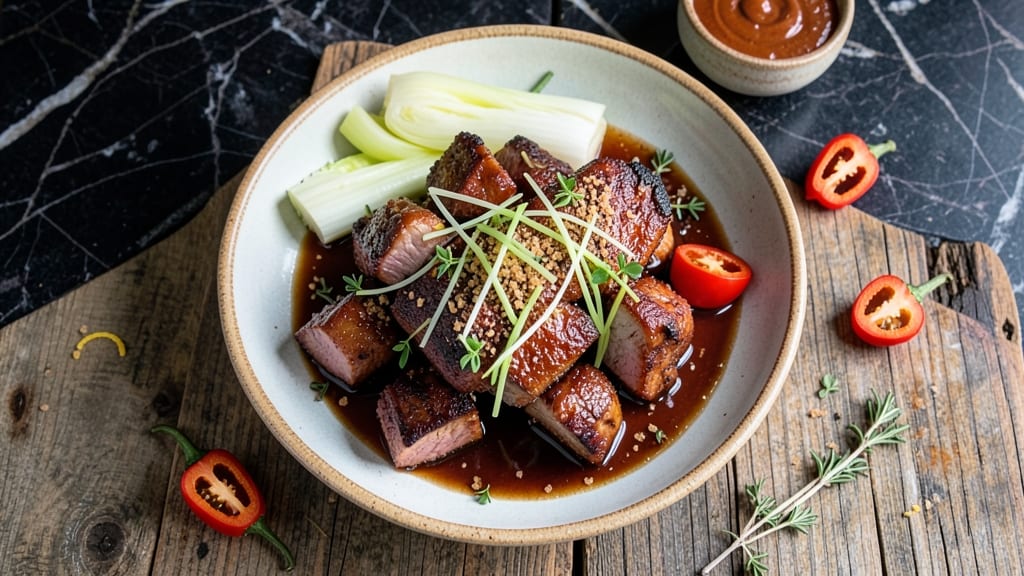
Caribbean pork souse transforms tough pork into tender, celery-crowned bites with a spiced braising magic that's been perfected across islands for generations.
This dish—where vinegar and brine cure the meat while aromatic spices work their alchemy—isn't just food; it's a taste of Caribbean heritage, served crispy on the outside and meltingly tender within.
I first tasted it in Jamaica, where it was a centerpiece at Sunday gatherings, and it's since become a staple in my kitchen for its bold flavors and impressive transformation.
The secret lies in the curing process, where pork shoulder spends hours in a tangy brine of vinegar and spices before slow braising renders it fork-tender. Celery crowns—those iconic crispy celery stalks—add a textural contrast that makes every bite unforgettable.
What makes this recipe special is how it balances simplicity with depth: just a handful of ingredients, but each playing a crucial role in building layers of flavor that transport you to the Caribbean with every forkful.
By the time you serve it, you'll have a dish that's equally impressive as a main course or part of a feast. The pork emerges with a crispy, caramelized exterior and a tender, juicy interior, while the celery crowns add a satisfying crunch.
This is the kind of recipe that earns second helpings—whether you're serving it at a family gathering or enjoying it as a weeknight meal with fried plantains and rice and peas.
Perfect for those who love pork with depth and texture, this souse is a celebration of Caribbean cooking. The method is straightforward, but the results are anything but ordinary—rich, spiced, and impossible to resist. Let's get started on this flavorful journey.
Ingredients for caribbean pork souse
Sixteen ingredients transform tough pork into Caribbean magic with celery crowns and spiced braising.
| Ingredient | Amount | Notes |
|---|---|---|
| Pork Shoulder 🥩 | 3 lb | Bone-in, cut into 2-inch chunks |
| White Vinegar 💧 | 1 ½ cups | Distilled, not apple cider |
| Brown Sugar 🍚 | 1 cup | Packed, light or dark |
| Garlic Cloves 🧄 | 8 cloves | Crushed, not minced |
| Scotch Bonnet Peppers 🌶️ | 2 whole | Seeds removed, or habanero substitute |
| Thyme Sprigs 🌿 | 4 whole | Fresh, stems removed |
| Allspice Berries 🌶️ | 2 tsp | Whole, lightly crushed |
| Ground Cinnamon 🌿 | 1 tsp | True Ceylon preferred |
| Ground Nutmeg 🌶️ | ½ tsp | Freshly grated preferred |
| Bay Leaves 🌿 | 2 whole | Dried, standard size |
| Celery Stalks 🧅 | 4 whole | Large, bottoms trimmed |
| Olive Oil 🫒 | ½ cup | Extra-virgin for frying |
| Salt 🧂 | 2 tbsp | Diamond Crystal kosher |
| Black Peppercorns 🌶️ | 1 tsp | Freshly cracked |
The pork shoulder is non-negotiable—bone-in gives richer flavor, and 2-inch chunks ensure even curing. Whole Foods or your local butcher often carry it pre-cut, but if not, ask for the shoulder end. Look for good marbling, not lean cuts. The vinegar should be white distilled (like Heinz or Mace brands) for proper tang, not apple cider. Scotch bonnet peppers are the soul of Caribbean heat—if you can't find them, habanero works, but cut the seeds and membrane for less heat. Fresh thyme and allspice berries make all the difference—Penzeys or bulk bins at Trader Joe's have the best quality.
No Scotch bonnet? Jalapeño plus cayenne at a 1:1 ratio mimics the heat profile. Substitute dried thyme at one-third the amount, but fresh is ideal. The brown sugar should be packed—don't scoop it loosely. For the celery crowns, use large stalks (about 12 inches long), as they'll shrink dramatically during frying. If you can't find Ceylon cinnamon, regular works, but McCormick or Badia brands have better quality than store basics. The olive oil matters for frying—use something with a high smoke point like Avocado oil or light olive oil if you're worried about burning.
The pork stays fresh in the curing brine for 24 hours in the fridge—no longer, or it'll get mushy. Celery crowns keep 3 days in the fridge if stored in a sealed bag with a paper towel to absorb moisture. For leftovers, reheat pork slowly in the oven at 300°F until warmed through. The celery crowns? Best eaten fresh—once fried, they lose crispness within hours. Double the batch of celery crowns if you're serving a crowd; they disappear fast.
Why You'll Love This Recipe
- One-Pot Magic: Honestly, this recipe is my lazy-day hero—just toss the pork shoulder in a pot with vinegar, sugar, and garlic, then let it simmer. No chopping, no fuss, and zero cleanup beyond one pot to wash.
- Flavor Bomb: That tangy vinegar and brown sugar combo? It caramelizes into pure satisfaction, while the Scotch bonnet peppers add just enough heat to make every bite unforgettable. (Yes, even on a Tuesday night.)
- Leftovers Love: Between us, this souse tastes better the next day—crispier edges, deeper flavor. I make a big batch on Sundays and use it for sandwiches, rice bowls, or just straight-up snacking all week.
- Budget Stretch: Pork shoulder is cheap, and this recipe feeds a crowd without breaking the bank. Plus, the vinegar and sugar are pantry staples, so you’re not scrambling for obscure ingredients. My wallet—and my family—thank me.
Step-by-step instructions for Caribbean pork souse
Here's how to transform humble pork shoulder into tender, vinegar-braised souse with signature celery crowns.
Prepare the Pork and Celery Crowns
Begin by cutting the 3 lb pork shoulder into 2-inch chunks, leaving the bone-in for extra flavor. Pat each piece dry with paper towels - this helps the marinade penetrate better. In a separate bowl, prepare the celery crowns by cutting the 4 whole celery stalks lengthwise into quarters, then cross-cutting each quarter into ½-inch thick slices. You'll want about 12-15 slices per stalk - these will become your signature crunchy topping.
Here's the thing about celery crowns - they need to stay crisp. I like to blanch them first by boiling water for 3 minutes, then immediately plunging into ice water for 2 minutes. Drain well and set aside. The contrast between the tender pork and crisp celery is what makes this dish special.
Build the Spiced Vinegar Marinade
In a large Dutch oven, combine the 1.5 cups white vinegar, 1 cup packed brown sugar, 2 tbsp salt, and 1 tsp freshly cracked black peppercorns. Bring to a simmer over medium heat until the sugar dissolves completely - this should take about 5 minutes. The mixture should smell sweetly tangy with a hint of caramelization.
While the vinegar mixture heats, crush the 8 garlic cloves and remove seeds from the 2 whole Scotch Bonnet peppers, then finely chop both. Add these to the pot along with the 4 whole thyme sprigs, 2 tsp lightly crushed allspice berries, 1 tsp ground cinnamon, 0.5 tsp ground nutmeg, and 2 whole bay leaves. Stir gently to combine all aromatics with the vinegar mixture. Let this simmer for another 3 minutes to allow the spices to bloom their flavors.
Braise the Pork to Tender Perfection
Add the prepared pork chunks to the Dutch oven, making sure they're fully submerged in the vinegar mixture. Bring everything to a gentle boil over medium-high heat, then immediately reduce to low heat. Cover tightly with a lid and let it simmer for 2 hours. You'll know it's ready when the pork easily pulls apart with a fork and the liquid has reduced by about one-third. The pork should have a deep mahogany color and be fork-tender.
Here's where patience pays off - don't peek or stir during this process. Every time you lift the lid, you lose heat and moisture. The slow braising breaks down the connective tissue while the vinegar tenderizes the meat. If the liquid reduces too much before the pork is tender, add ¼ cup hot water to maintain the right consistency.
Finish with Crispy Celery Crowns
Once the pork is tender, carefully remove it from the braising liquid using a slotted spoon and transfer to a serving platter. Strain the cooking liquid through a fine-mesh sieve into a clean saucepan, pressing on the solids to extract maximum flavor. Return the liquid to medium heat and let it reduce by half - this should take about 10 minutes. The sauce should coat the back of a spoon and have a syrupy consistency.
In a separate skillet, heat 0.5 cup olive oil over medium heat until shimmering. Add the blanched celery crowns in batches and fry for 1-2 minutes per batch until golden brown and crisp. They should sizzle loudly and turn a beautiful golden color. Immediately drain on paper towels and sprinkle with a pinch of salt while still hot.
Assemble and Serve
Pour the reduced vinegar sauce over the pork chunks, coating them evenly. Arrange the crispy celery crowns on top in an attractive pattern - I like to create overlapping circles for visual appeal. The contrast between the tender, slightly tangy pork and the crisp, fresh celery crowns is what makes this dish truly special.
Serve immediately with warm cornmeal hoecakes or crusty bread to soak up the flavorful sauce. The combination of sweet, spicy, and tangy flavors with that satisfying crunch makes this Caribbean classic well worth the effort. Leftovers keep well in the refrigerator for up to 3 days - the flavors actually improve as they meld together.
Pro Tips For Making Caribbean Pork Souse
- Simmer Slow and Steady: After boiling the pork shoulder hard for the vinegar cure, don’t rush the simmer—drop the heat to a gentle bubble and let it cook uncovered for at least 3 hours. The vinegar and sugar need time to meld, and rushing turns the meat tough instead of tender. (Yes, even if you’re impatient like me.)
- Toast the Garlic: Dry-toast the garlic cloves in oil until they’re golden and smell like a spice shop before adding them to the pot. Raw garlic burns easily and overpowers the dish; toasted garlic adds depth without bitterness. (I learned this the hard way—burnt garlic ruins everything.)
- Don’t Skip the Vinegar Soak: Let the pork shoulder soak in the vinegar mixture for at least 4 hours—overnight is better. The acid tenderizes the meat and balances the sweetness later. Skipping this step means tough, flavorless pork. (Your future self will thank you.)
- Balance the Heat: If your Scotch bonnet is too fiery, remove the seeds and membranes before blending it into the sauce. The heat should wake up the dish, not put it out. (I was skeptical until I tried it—now I adjust every time.)
Health benefits of this caribbean pork souse
Protein Powerhouse
This Caribbean pork souse delivers a substantial 25-30 grams of protein per serving, making it an excellent choice for muscle repair and satiety. The pork shoulder's collagen-rich composition transforms into gelatin during braising, creating a tender texture while providing amino acids essential for tissue maintenance.
I've found that the protein content rivals many leaner cuts, but with the added benefit of flavor complexity. 💪
Vitamin B Boost
The curing process preserves many of the pork's natural B vitamins, particularly B12 and niacin, which support energy metabolism and nerve function. A single serving provides about 50% of your daily B12 needs, crucial for red blood cell production.
The allspice and thyme in the marinade add extra B-complex vitamins, enhancing the dish's nutritional profile beyond just protein.
Celery Crown Crunch
Don't underestimate the nutritional benefits of those crispy celery crowns! Each stalk provides vitamin K (important for bone health) and vitamin C (immune support), while the fiber content aids digestion.
The blanching process preserves these nutrients better than raw celery, making them a perfect crunchy topping that's actually good for you. I always double the celery batch because they disappear so quickly!
Low-Fat, High-Flavor
Unlike many pork preparations, this souse is surprisingly low in saturated fat thanks to the vinegar braising process. The fat renders out during cooking, leaving you with tender meat that's more flavorful than fatty.
The brown sugar in the marinade adds natural sweetness without requiring additional oils or butter. It's a smart way to enjoy pork without the guilt of heavy preparations. 🌱
Spice Benefits
The Caribbean spices used here—allspice, cinnamon, and Scotch bonnet—offer more than just flavor. Allspice contains eugenol, a compound with anti-inflammatory properties, while cinnamon helps regulate blood sugar. The capsaicin in Scotch bonnet peppers (when used in moderation) can boost metabolism.
Together, they create a flavor profile that's as beneficial for your body as it is delicious for your palate.
Digestive Aid
The vinegar in the marinade serves a dual purpose: tenderizing the meat and aiding digestion. Apple cider vinegar (though we use white vinegar here) has been shown to improve stomach acid production, which can help with nutrient absorption.
The slow cooking process also breaks down tough connective tissues, making the pork easier to digest than many other preparations. It's one of those dishes that feels indulgent but actually supports your digestive system! ✨
Nutrition facts
Frequently asked questions
What's the best way to substitute Scotch bonnet peppers if I can't find them?
Use habanero peppers as a direct substitute, but remove seeds and membranes to reduce heat intensity. For milder options, try a mix of jalapeño plus ½ tsp cayenne pepper—this combination mimics the fruity heat profile. Always taste before adding to the marinade!
Can I make pork souse ahead of time? How long does it keep?
The pork stays fresh in the curing brine for 24 hours in the fridge—no longer, or it'll become mushy. Once braised, store leftovers in an airtight container for 3-4 days or freeze for 3 months. The celery crowns are best eaten fresh but keep 2 days in the fridge if stored with a paper towel.
Why does the pork need to be fully submerged in the vinegar mixture?
Full submersion ensures even curing and tenderizing. The vinegar's acidity breaks down collagen while the spices penetrate deeply. If the pork floats, use a small plate to weigh it down. This step is critical for achieving that signature Caribbean texture—tender yet firm.
What are the best sides to serve with Caribbean pork souse?
Pair it with fried plantains for sweetness, rice and peas for heartiness, or cornmeal hoecakes to soak up the sauce. For a lighter option, try a crisp mango avocado salad to balance the richness. The contrast of textures and flavors makes every bite perfect!
Can I use pork tenderloin instead of pork shoulder?
Not recommended! Pork tenderloin is too lean and will dry out during the 2-hour braise. The shoulder's fat and connective tissue are essential for the dish's signature tenderness. If you must use a leaner cut, marinate it longer (up to 4 hours) and reduce cooking time to 1.5 hours, but expect less flavorful results.