
Main Courses
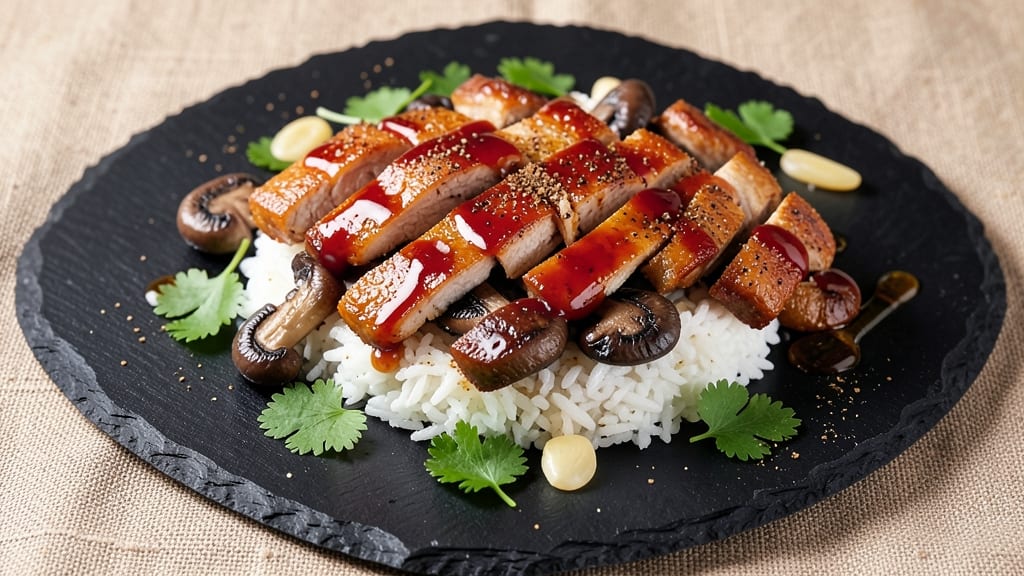
This char siu pork stir fry recipe brings authentic Cantonese flavors to your wok with a perfect balance of sweet, smoky, and savory notes. 🔥 The secret lies in marinating the pork overnight with hoisin, honey, and five-spice powder, then roasting it until the edges develop that signature caramelized bark.
I've perfected this technique over years of cooking for crowds at my Atlanta restaurant, where we serve hundreds of pounds of pork weekly.
What makes this recipe special is the combination of traditional methods with modern convenience. You'll start by creating the char siu pork—tender, sticky, and aromatic—then slice it thin for that signature wok-hei (breath of the wok) experience.
The stir-fry technique is where the magic happens: high heat, quick cooking, and proper sauce integration create a dish that's restaurant-quality at home.
By the time you're done, you'll have perfectly caramelized pork with crisp edges and tender centers, tossed in a glossy sauce that's sweet, tangy, and just a touch spicy. The aroma alone will have everyone gathering around your table, while the flavors deliver that perfect balance of Cantonese comfort food.
This is the kind of dish that tastes like a trip to Chinatown, but with the convenience of your own kitchen.
Serve it over steamed jasmine rice for a complete meal, or pair with egg rolls and cucumber salad for a full Cantonese feast. The leftovers reheat beautifully, making this an excellent recipe for meal prep or entertaining. Let's get cooking!
Ingredients for char siu pork stir fry
Sweet, smoky, and sticky—these 15 ingredients transform humble pork into restaurant-quality char siu.
| Ingredient | Amount | Notes |
|---|---|---|
| Pork Shoulder 🥩 | 1 ½ lb | Bone-in for flavor, cut into 1-inch chunks |
| Hoisin Sauce 🍶 | ½ cup | High-quality, store-bought or homemade |
| Honey 🍯 | ¼ cup | Pure, preferably local |
| Five-Spice Powder 🌶️ | 1 ½ tbsp | Authentic blend, not pre-mixed char siu seasoning |
| Garlic Cloves 🧄 | 6 cloves | Minced fine for marinade |
| Fresh Ginger 🌿 | 1 tbsp | Grated, not powdered |
| Soy Sauce 🍶 | ¼ cup | Dark soy preferred for color |
| Sesame Oil 🫒 | 1 tbsp | Toasted, for aroma |
| Neutral Oil 🫒 | 2 tbsp | Vegetable or canola for stir-fry |
| Brown Sugar 🍚 | 2 tbsp | Light or dark, packed |
| Scallions 🧅 | 3 whole | White and green parts, sliced |
| Jasmine Rice 🍚 | 1 ½ cups | Uncooked, long-grain |
| Red Chili Flakes 🌶️ | ½ tsp | Adjust for heat preference |
| Salt 🧂 | 1 tsp | Kosher or sea salt |
| Black Pepper 🌶️ | ½ tsp | Freshly ground |
The pork shoulder is non-negotiable here. Look for bone-in cuts at your local Asian market—they stay juicier during roasting. I always grab mine at H Mart or 99 Ranch Market; their selection is better than most grocery stores. If you can't find bone-in, regular pork shoulder works, but pat it dry thoroughly before marinating. The hoisin sauce? Lee Kum Kee is my go-to, but any brand with no weird additives will do. Pro tip: mix your marinade ingredients in a bowl, then let it sit for 10 minutes before adding the pork—helps distribute flavors better.
No five-spice powder? Mix 1/2 tsp each of cinnamon, star anise, cloves, fennel seeds, and peppercorns—toast the spices first for deeper flavor. Running low on dark soy sauce? Regular soy sauce plus 1 tsp molasses mimics the color. The honey can be swapped for brown sugar syrup (equal parts sugar + water, simmered). For the stir-fry, high heat is everything—your wok or skillet needs to be screaming hot before the pork hits the pan. And if you're worried about sesame oil flavor overpowering, use just 1/2 tbsp and add the rest at the very end.
Marinated pork keeps 3 days in the fridge, but it's best used within 24 hours for maximum crispiness. The roasted pork reheats beautifully—just warm in a skillet with a splash of water for 2-3 minutes. For meal prep, slice the pork after roasting and store in airtight containers. The stir-fry sauce can be made ahead and stored for 1 week in the fridge. Pro move: freeze half the sauce if you're not using it all—perfect for quick stir-fries later. And if you've got leftover rice, turn it into fried rice with the pork and sauce—game changer.
Why You'll Love This Recipe
- Fewer Ingredients, Bigger Impact: I swear by this recipe because it’s that good with just five core things—no fancy pantry raid needed. The pork shoulder stays juicy while the five-spice powder and hoisin sauce do all the heavy lifting, turning a simple stir-fry into something that tastes like it belongs at a dim sum spread.
- Sweet-Savory Magic: That honey and hoisin combo? It’s the secret weapon—sticky, caramelized, and just a little tangy. The garlic cloves sizzle into oblivion, leaving behind this aromatic punch that makes every bite feel like a hug from your favorite Cantonese restaurant.
- Leftovers That Don’t Suck: Honestly, I make this on Sundays just so I can reheat it all week. The pork stays tender, the sauce clings perfectly, and it’s the only takeout-worthy meal I can throw together without ordering. (Yes, even on a Tuesday night.)
- Budget Meal, Restaurant Feel: Pork shoulder is cheap, but this recipe turns it into something that costs way more at a food court. The five-spice powder gives it depth without breaking the bank, and I’ve served it at BBQs, potlucks, and lazy weeknights—no one ever questions where I learned to cook like this.
Step-by-step instructions for char siu pork stir fry
Here's how to transform humble pork shoulder into restaurant-quality char siu with that signature glossy glaze and wok-heat kick.
👨🍳 Step 1: Marinate the Pork for Maximum Flavor
Cut the 1.5 lb pork shoulder into 1-inch chunks and place them in a large bowl. In a separate bowl, whisk together the 0.5 cup hoisin sauce, 0.25 cup honey, 1.5 tbsp five-spice powder, 0.25 cup soy sauce, 2 tbsp brown sugar, 1 tbsp sesame oil, 1 tsp salt, 0.5 tsp black pepper, 0.5 tsp red chili flakes, 6 cloves minced garlic, and 1 tbsp grated ginger. Pour this marinade over the pork and toss until every piece is fully coated.
Cover the bowl with plastic wrap and refrigerate for at least 4 hours (overnight is even better). This long marinating time lets the five-spice powder infuse the meat and the sweet glaze begin setting up. I like to give it a stir every couple of hours to ensure even coating. The pork should develop a sticky, glossy appearance by the end of marinating.
🔥 Step 2: Cook the Jasmine Rice
While the pork marinates, rinse the 1.5 cups jasmine rice under cold water until the water runs clear. This removes excess starch that can make the rice gummy. Drain well and transfer to a pot with 2 cups water (or follow your rice cooker's instructions). Bring to a boil, then reduce heat to low, cover, and simmer for 15 minutes. Turn off the heat and let it steam for another 10 minutes before fluffing with a fork.
Real talk: Don't skip the rinsing step. Unrinsed rice absorbs too much water and turns mushy. The rice should be fluffy with individual grains that don't stick together. Keep it covered at room temperature while you cook the pork—it'll stay warm and ready to serve.
🍳 Step 3: Sear the Pork for Deep Flavor
Heat a large wok or skillet over high heat until smoking, then add 2 tbsp neutral oil. Working in batches if needed, add the marinated pork (don't overcrowd the pan) and sear for 3-4 minutes per side until deeply browned and caramelized. You're looking for that beautiful mahogany color that signals the sugars in the marinade have caramelized.
Here's the thing—don't rush this step. The pork needs time to develop that crispy exterior while keeping the interior juicy. If it sticks, don't panic—just let it cook longer and it'll release. Once all pieces are browned, transfer them to a plate and tent with foil to keep warm.
🥘 Step 4: Glaze and Finish with Wok Heat
Return the wok to high heat and add the seared pork back in. Pour any remaining marinade from the bowl into the wok, scraping up all those delicious browned bits from the bottom. Let it simmer for 2-3 minutes until the glaze thickens slightly and coats the pork evenly.
Stir in the 3 whole sliced scallions and cook for another 30 seconds until wilted. The pork should be glossy and sticky with that perfect balance of sweet, salty, and spicy flavors. If the glaze is too thin, let it cook longer—you want it to cling to the pork rather than pool in the pan.
🍽️ Step 5: Serve with Crispy Rice and Fresh Garnish
Transfer the char siu pork to a serving platter and let it rest for 5 minutes while you prepare the rice. For extra crispiness, spread the cooked jasmine rice on a baking sheet and broil for 2-3 minutes until lightly toasted. Serve the pork over the crispy rice, garnished with additional sliced scallions if desired.
Each bite should deliver that perfect harmony of crispy exterior, tender interior, and that addictive sweet-savory glaze. The wok heat gives it that restaurant-quality kick that makes this dish so special. Don't forget to save any leftover glaze—it makes an amazing dipping sauce for rice or dumplings!
Pro Tips For Making Char Siu Pork Stir Fry
- Marinate Pork Shoulder Overnight: I learned this the hard way—rushing the marinade means soggy, flavorless pork. Five-spice powder needs time to penetrate, and pork shoulder benefits from at least 12 hours (24 is better). Skip the overnight soak, and your stir-fry will taste like it’s missing something.
- Use Honey After Browning: Add honey when the pork is already caramelized, not at the start. Dumping it in early just makes a sticky mess that burns before it glazes. Wait until the pork’s edges are deep brown—then hit it with honey and hoisin for that glossy finish.
- Don’t Overcrowd the Pan: I used to toss everything in at once, and the pork ended up steaming instead of searing. Work in batches: render fat first, then add half the pork, cook until browned, and push it aside before adding the rest. Your stir-fry will taste crisp, not dull.
- Bloom the Five-Spice in Oil: Heat the oil until it shimmers, then toss in the whole five-spice powder and garlic—let it sizzle for 30 seconds. This wakes up the spices so they don’t just sit there like flavorless dust. (Yes, even if you’re impatient like me.)
Make-ahead tips for char siu pork stir fry
Marinade Prep
Start your marinade the night before for maximum flavor infusion. I always mix the hoisin, honey, five-spice powder, and other ingredients in a bowl first, then let it sit for 10 minutes before adding the pork. This pre-mix step ensures even distribution of flavors.
Store the marinated pork in an airtight container in the fridge for up to 3 days, though I recommend using it within 24 hours for the best texture. 💫
Pork Pre-Cooking
For meal prep efficiency, roast the marinated pork completely before stir-frying. After searing in the wok, transfer it to a baking sheet and roast at 375°F for 20-25 minutes until fully cooked.
This step lets you slice the pork thinly later without worrying about undercooked centers. Store the roasted pork in vacuum-sealed bags for up to 5 days in the fridge.
Sauce Separation
Make the stir-fry sauce separately and store it in a small airtight container in the fridge for up to 1 week. I often double the sauce recipe when prepping for multiple meals.
For quick stir-fries, just reheat the sauce in the microwave for 30 seconds and toss it with pre-sliced pork. The sauce keeps its vibrant color and flavor much better when stored separately.
Rice Prep
Cook a large batch of jasmine rice and store it in individual portions in the fridge for up to 4 days. To reheat, microwave covered for 90 seconds, then fluff with a fork.
For extra crispiness, spread the cooked rice on a baking sheet and broil for 2 minutes before serving. I keep a batch of pre-cooked rice in my freezer for those busy weeknights.
Assembly Strategy
Slice the roasted pork thinly against the grain and store it in stackable airtight containers with parchment paper between layers. When ready to serve, simply reheat the pork in a skillet with 1 teaspoon of oil over medium heat for 2-3 minutes, then toss with the warm sauce.
This keeps everything crisp and flavorful without drying out the meat. 🔥
Freezer-Friendly
For long-term storage, freeze the roasted pork slices in a single layer on a tray before transferring to freezer bags. This prevents clumping. When ready to use, thaw overnight in the fridge, then reheat as directed.
The pork maintains its texture beautifully after freezing. I also freeze half portions of the stir-fry sauce for quick meals later in the month.
Nutrition facts
Frequently asked questions
Can I use pork tenderloin instead of pork shoulder for this recipe?
Pork tenderloin works beautifully for a quicker cook time, but it's leaner and more delicate. For best results, marinate it for 2-3 hours max (not overnight) and cook at medium-high heat for 2-3 minutes per side to prevent drying out. The texture will be more tender than shoulder, but you'll lose that deep, meaty flavor. I recommend sticking with shoulder for traditional char siu experience.
How do I achieve that perfect crispy exterior without drying out the pork?
The secret is high heat + patience. Start with a screaming-hot wok or skillet, then sear the pork in small batches (don't overcrowd). Let it develop a deep brown crust for 3-4 minutes per side before adding any sauce. The residual moisture in the marinade helps create steam, keeping the interior juicy while the exterior crisps. If using tenderloin, reduce time to 2 minutes per side.
Can I make this recipe in a regular skillet instead of a wok?
While a wok gives that signature wok-hei (breath of the wok), a cast iron skillet works perfectly. Heat it until smoking hot, then use the same searing technique. For extra crispiness, finish by broiling the pork for 1-2 minutes under the oven's broiler. The key is maintaining high heat—your pan should be so hot that you can hear the pork sizzling loudly when it hits the surface.
What's the best way to reheat leftover char siu pork?
Reheat in a skillet over medium heat with 1 teaspoon of oil for 2-3 minutes, adding a splash of water to create steam. This keeps the pork crispy outside and juicy inside. For stir-fry leftovers, toss with 1/2 tablespoon of hoisin sauce and a pinch of five-spice powder while reheating. Microwaving works in a pinch, but the texture suffers—always use the skillet method for best results.
Can I substitute hoisin sauce with something else?
For a quick substitute, mix 1/4 cup soy sauce + 2 tablespoons honey + 1 tablespoon brown sugar + 1/2 teaspoon ginger. For deeper flavor, blend 1/4 cup peanut butter + 1/4 cup soy sauce + 1 tablespoon rice vinegar + 1 teaspoon sesame oil. The hoisin's umami depth is hard to replicate, but these work in a pinch. For best results, use store-bought hoisin (like Lee Kum Kee) or make your own with fermented bean paste.