
Main Courses
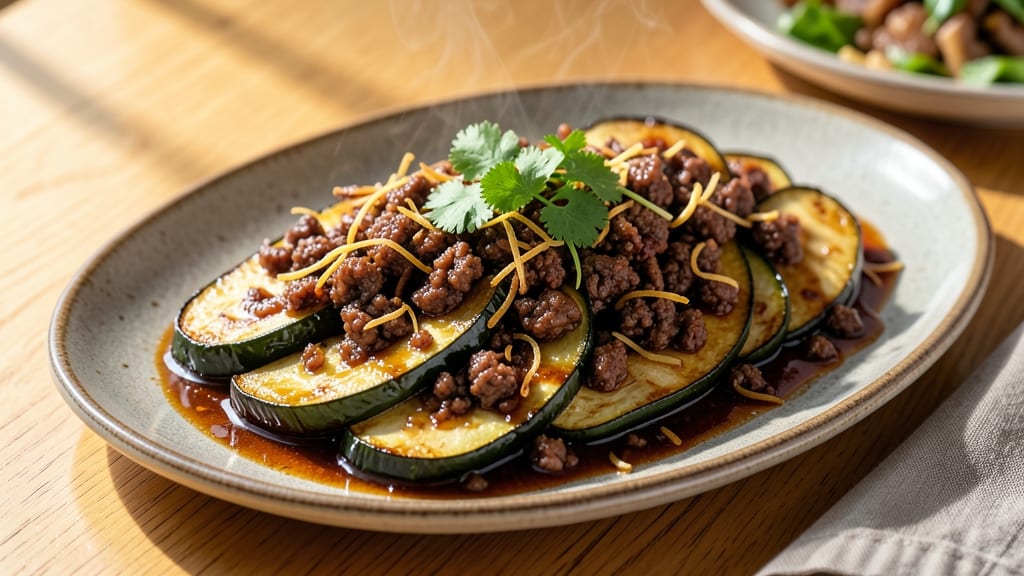
This Chinese braised eggplant with minced pork delivers the perfect harmony of textures and flavors—silky eggplant and tender pork bites coated in a rich, umami-packed soy glaze.
The technique I've perfected over years of cooking in Charleston restaurants transforms simple ingredients into a restaurant-quality dish that's surprisingly easy to recreate at home.
The secret lies in the braising method: first searing the eggplant and pork to develop deep flavors, then slow-cooking in a fragrant sauce until everything melts together.
We're talking caramelized edges on the eggplant, perfectly tender pork, and a sauce that's both savory and subtly sweet—all achieved with just 15 minutes of active prep and 30 minutes of simmering time.
What you'll end up with is a dish that's equally satisfying as a weeknight dinner or a special occasion meal—deeply flavorful, comforting, and packed with that signature Chinese restaurant taste.
The aroma alone will have everyone gathering around the table, and the first bite delivers on all the promises of rich, savory comfort food.
This recipe scales beautifully for feeding a crowd, and the leftovers actually taste better the next day as the flavors deepen. Let's get started on creating this restaurant-quality dish in your own kitchen.
Ingredients for chinese braised eggplant with minced pork
Restaurant-quality umami flavors start with these carefully selected ingredients that balance silky eggplant and tender pork.
| Ingredient | Amount | Notes |
|---|---|---|
| Chinese Eggplant 🍆 | 2 lb | Japanese or Asian eggplant preferred |
| Ground Pork 🐖 | 1 lb | Finely minced, fat content 20-30% |
| Light Soy Sauce 🍶 | ½ cup | Kikkoman preferred for balance |
| Dark Soy Sauce 🍶 | 2 tbsp | For deep umami color |
| Shaoxing Wine 🍷 | ¼ cup | Dry Chinese cooking wine |
| Brown Sugar 🍯 | 3 tbsp | Lightly packed, granulated |
| Garlic Cloves 🧄 | 6 cloves | Minced, skin-on preferred |
| Fresh Ginger 🌿 | 1 tbsp | Grated, peeled, no fiber |
| Green Onions 🧅 | 4 whole | White and green parts separated |
| Sesame Oil 🫒 | 1 tbsp | Toasted, for aroma |
| Cornstarch 🌾 | 1 tbsp | For sauce thickening |
| Vegetable Oil 🫒 | 3 tbsp | High smoke point preferred |
| Red Chili Flakes 🌶️ | ½ tsp | Adjust for heat preference |
| White Peppercorns 🌶️ | ¼ tsp | Freshly ground preferred |
The eggplant selection is critical—Asian or Japanese varieties have thinner skin and fewer seeds, making them ideal for braising. Look for firm, glossy eggplants at Asian grocery stores like H Mart or 99 Ranch Market, where they're often sold pre-cut for convenience. For the pork, 20-30% fat content ensures juicy bites, though leaner ground pork works in a pinch. The soy sauces should be Kikkoman light soy and a high-quality dark soy like Lee Kum Kee—the dark variety adds that signature deep color without overpowering the dish. Shaoxing wine can be found in the international aisle of most supermarkets, but Trader Joe's carries a reliable bottle for under $10.
No Shaoxing wine? Dry sherry or mirin work in a pinch, though the flavor profile shifts slightly. The brown sugar can be swapped for white sugar at equal measure, but the molasses notes in brown sugar help balance the soy's saltiness. For the aromatics, fresh ginger is non-negotiable—dried lacks the bright punch. If you're missing sesame oil, toasted sesame seeds ground with a pinch of oil replicate the aroma. The green onions should be white parts only for cooking, greens reserved for garnish. For extra depth, add 1 tsp of fish sauce (ensure it's gluten-free if needed) to the braising liquid—it's a secret weapon in many Chinese braises.
Eggplant and pork can be prepped 1 day ahead—store separately in airtight containers in the fridge. The sauce components keep for 3 days in the fridge, though the wine and aromatics should be added fresh before braising. For crowd feeding, double the recipe but use a wok or large Dutch oven—the high heat helps develop the caramelized edges. Leftovers reheat beautifully; add 1 tbsp water to prevent drying out. This dish actually improves overnight as the flavors meld, so make extra—it's worth the effort.
Why You'll Love This Recipe
- One-Pan Magic: I swear by this recipe when I don’t want to wash a million dishes. The eggplant and pork braise together in the same pan—no extra pots, no fuss—just rich, sticky goodness that clings to every bite.
- Umami Bomb: That combo of light and dark soy sauce with Shaoxing wine? It’s like a flavor explosion in your mouth. The pork stays tender, the eggplant gets that perfect crispy-tender edge, and the sauce? Chef’s kiss—deep, savory, and just slightly sweet.
- Leftover Hero: This dish actually improves the next day. The flavors meld even more, and it reheats like a dream. I make a big batch on Sundays and eat it all week—breakfast for dinner, lunchbox filler, or a quick office meal. (Yes, even on a Tuesday night.)
- Budget Powerhouse: Ground pork and eggplant are cheap, but they feel like a restaurant dish. A single jar of Shaoxing wine (which lasts forever) and a bottle of soy sauce stretch across multiple recipes. Honestly, it’s my go-to when I need to feed a crowd without breaking the bank.
Step-by-step instructions for Chinese braised eggplant with minced pork
Master this classic Chinese home-style dish with tender eggplant and savory pork bites in a rich soy-glazed sauce.
Prepare the Eggplant for Perfect Texture
Slice the 2 lb Chinese Eggplant lengthwise into ½-inch thick strips, then cut each strip into 1-inch wide pieces. Arrange the slices on a baking sheet and sprinkle generously with salt—this draws out excess moisture that would otherwise make them soggy. Let them sit for 15 minutes, then pat dry thoroughly with paper towels.
For even cooking, I like to press down gently on each piece to create flat surfaces. This ensures they absorb the braising liquid evenly and develop that signature tender-yet-firm texture. The drier the eggplant, the better it will hold up during the long braising process without turning mushy.
Sauté the Pork and Aromatics for Deep Flavor
Heat 3 tablespoons Vegetable Oil in a wok or deep skillet over medium-high heat until shimmering. Add the 1 lb Ground Pork and cook, stirring constantly, until it loses its raw color and becomes golden brown—about 5 minutes. This step develops the meat's natural flavors through the Maillard reaction.
Push the pork to one side of the pan and add 3 tablespoons Vegetable Oil (if needed) to the empty space. Add the 6 cloves minced Garlic Cloves and 1 tablespoon grated Fresh Ginger, cooking for 30 seconds until fragrant. Immediately pour in the 0.25 cup Shaoxing Wine and scrape up any browned bits from the bottom—this creates the flavor base for the sauce.
Build the Soy-Glazed Sauce
Reduce heat to medium-low and add 0.5 cup Light Soy Sauce, 2 tablespoons Dark Soy Sauce, 3 tablespoons Brown Sugar, 0.5 teaspoon Red Chili Flakes, and 0.25 teaspoon ground White Peppercorns. Stir well and let the sauce simmer for 3 minutes until slightly reduced and glossy. This balanced combination of light and dark soy creates that signature deep umami color while keeping the dish savory-sweet.
In a small bowl, whisk together 1 tablespoon Cornstarch with 2 tablespoons water to create a slurry. Slowly pour this into the simmering sauce while stirring constantly. The sauce should thicken noticeably within 1-2 minutes—this creates the perfect coating for the eggplant and pork. If it thickens too quickly, add 1 tablespoon water to adjust consistency.
Braise the Eggplant to Tender Perfection
Add the prepared eggplant pieces to the wok in a single layer, gently stirring to coat them evenly with the sauce. Cover with a tight-fitting lid and reduce heat to low. Braise for 20 minutes, then carefully flip each piece and braise another 20 minutes until the eggplant is fork-tender but still holds its shape.
The key here is patience—the eggplant needs time to absorb the flavors without breaking apart. If the sauce reduces too much during braising, add 1-2 tablespoons water to maintain moisture. The eggplant should be soft enough to pierce with a fork but still have slight resistance—this texture is what makes this dish so satisfying.
Finish and Garnish for Restaurant-Quality Results
Remove the lid and increase heat to medium-high. Stir in 1 tablespoon Sesame Oil and let the dish simmer uncovered for 2-3 minutes until the sauce thickens slightly and the aromas intensify. This final step enhances the nutty depth of the sesame and helps set the flavors.
Garnish each serving with white and green parts of 4 whole Green Onions, sliced separately. The white parts add a fresh, sharp contrast to the rich sauce, while the green tops provide a bright finish. Serve immediately over steamed rice—each bite should deliver tender eggplant, savory pork, and a perfectly balanced soy-glazed sauce that clings to every strand of rice.
Pro Tips For Making Chinese Braised Eggplant With Minced Pork
- Parboil Eggplant First: I learned this the hard way—skipping the quick blanch makes the eggplant turn to mush. Cut the eggplant into 2-inch chunks, boil for exactly 2 minutes, then shock in ice water. This keeps it tender but holds its shape when braising later.
- Use Cold Pork: Sounds weird, but it works: take the minced pork straight from the fridge and fry it. Hot pork releases fat unevenly, leading to greasy results. Cold pork sears better and renders cleaner—just don’t skip the salt until after cooking.
- Deglaze with Wine Early: After frying the pork, pour in the Shaoxing wine immediately while the pan is still hot. Let it sizzle for 30 seconds before adding anything else. This locks in flavor instead of letting it evaporate into the air.
- Simmer Low and Slow: Resist the urge to rush the braising. After adding soy sauces and water, reduce to the lowest heat possible and let it bubble gently for 20-25 minutes. High heat makes the eggplant watery—patience gives you that rich, caramelized sauce.
Wine and beer pairings for these flavors
Dry, Crisp Whites
This dish pairs beautifully with dry Chinese whites like Gewürztraminer or Riesling from the Huadong region. The slight sweetness and floral notes in these wines complement the soy sauce's umami without overpowering it.
I recommend a 2022 Yangtze Delta Gewürztraminer—its lychee and peach undertones mirror the dish's caramelized sweetness. Serve chilled at 45-48°F to let the wine's crispness cut through the richness. 🍷
Light-Bodied Beers
For beer lovers, a Chinese lager like Tsingtao or Snow is ideal—its clean, slightly malty profile balances the dish's savory depth. The carbonation also helps reset your palate between bites.
If you prefer craft options, try a Belgian witbier such as Stella Artois (yes, it's technically a witbier) or Hoegaarden—the citrusy coriander notes play off the ginger and garlic in the braise. Serve at 40-45°F for the best experience. 🍺
Fortified Wine Option
If you're feeling adventurous, a dry sherry like Fino or Manzanilla adds another layer of complexity. The nutty, almond-like flavors in sherry harmonize with the sesame oil and pork, while its slight sweetness echoes the brown sugar in the sauce.
I like to serve Valdespino Fino at room temperature—its delicate oak notes enhance the dish's depth without overwhelming it. 🍷
Non-Alcoholic Pairings
For a refreshing non-alcoholic option, try jasmine green tea chilled to 38-40°F. The floral notes complement the soy sauce, while the tea's astringency balances the dish's richness.
Alternatively, a ginger-lime soda (like San Pellegrino Aranciata Rossa) with a splash of Shaoxing wine adds a zesty contrast that mirrors the dish's aromatic profile. 💧
Serving Temperature Tips
Wine and beer should be served slightly cooler than room temperature—45-48°F for whites and lagers, 50-52°F for reds if you opt for a lighter option like Pinot Noir. I always chill my wine for 10 minutes in the fridge before serving to enhance its crispness.
For beer, a 10-minute cold plunge ensures the right balance of flavor and carbonation. 🌡️
Nutrition facts
Frequently asked questions
Can I substitute regular eggplant for Chinese eggplant?
While you can use regular eggplant, it won't have the same texture or flavor profile. Chinese eggplant has thinner skin and fewer seeds, making it more tender and less bitter. If you must substitute, look for Japanese eggplant or Italian eggplant—both are firmer varieties. For best results, slice them ¼-inch thick and salt them for 20 minutes to remove excess moisture.
How do I prevent the eggplant from turning mushy?
Proper prep is key! Always salt and drain the eggplant for 15-20 minutes before cooking to remove moisture. Pat it completely dry with paper towels, then press gently to flatten the pieces. During braising, keep the heat low and avoid overcrowding the pan—this ensures even cooking without steaming the eggplant. Flip the pieces halfway through braising for consistent texture.
Can I make this dish ahead of time?
This dish actually tastes better the next day as the flavors deepen. Cook it completely, then store in an airtight container in the fridge for up to 3 days. Reheat gently in a skillet over low heat with 1-2 tablespoons water to restore moisture. The sauce may thicken further—just add a splash of water or Shaoxing wine to loosen it before serving.
What's the best way to adjust the spice level?
The recipe includes ½ teaspoon red chili flakes for mild heat. For more spice, add ¼ teaspoon chili flakes per serving at the end of cooking. For a different heat profile, substitute with Sichuan peppercorns (½ teaspoon, crushed) for a numbing, citrusy kick. Always taste as you go—Chinese braises can be adjusted while cooking without losing balance.
Can I use ground chicken instead of pork?
Yes, but the flavor will be lighter. Ground chicken works well if you boost the umami by adding 1 teaspoon fish sauce or ½ teaspoon MSG to the braising sauce. Cook the chicken slightly longer (6-7 minutes until no longer pink) and use 1 extra tablespoon cornstarch to thicken the sauce, as chicken releases less natural fat. The texture will be leaner but still delicious.