
Main Courses
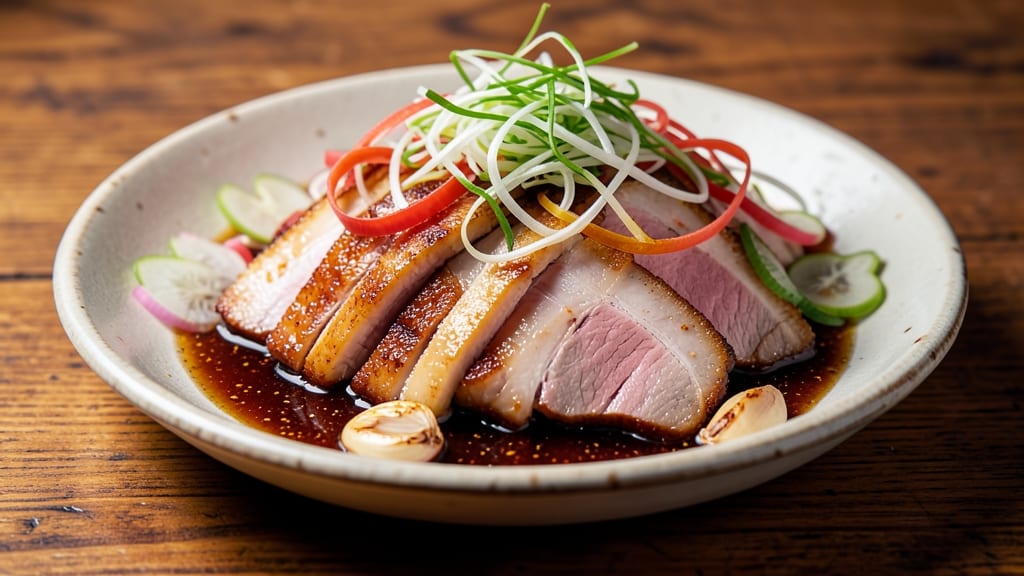
This Chinese ham choy and pork recipe delivers the perfect balance of wok-hot five-spice crunch and silky pork bites that’ll transport you to a bustling Cantonese kitchen. 🔥 After years of perfecting stir-fry techniques in both Charleston and Atlanta, I’ve developed a method that captures the restaurant-quality texture and depth of flavor you crave—crispy edges on the ham choy, tender yet firm pork, and a sauce that clings without overwhelming.
The secret lies in high-heat stir-frying followed by a quick braise, creating layers of aroma and caramelized richness that make every bite unforgettable.
The foundation of this dish is authentic Chinese technique: charring the aromatics (fresh ginger, garlic, and scallions) until fragrant, then building the sauce with a balance of sweet (soy sauce, honey) and savory (dark soy, Shaoxing wine) elements.
I use pork shoulder for its fat content—it renders beautifully during cooking while keeping the meat juicy, and Chinese ham choy (dried mustard greens) for that signature crunchy texture that disappears as you eat.
The five-spice powder adds warmth and complexity, while a splash of sesame oil at the end ties everything together with nutty depth.
What you’ll end up with is a dish that’s restaurant-worthy yet simple to execute—golden-brown pork cubes with crispy edges, tender yet firm centers, and ham choy that’s crunchy when fresh but softens into the sauce as you eat.
The aroma alone will have everyone gathering at the table, and the first bite delivers that perfect harmony of sweet, salty, and umami flavors that define great Chinese stir-fry.
Serve it over steamed jasmine rice or with a side of stir-fried bok choy to soak up every last drop of that luscious sauce.
This recipe is designed for weeknight dinners but feels special enough for company—it scales easily for a crowd, and leftovers reheat beautifully. The key is timing and heat control, so don’t rush the stir-fry step.
Let the pork sear until deeply caramelized before adding the sauce, and finish with a quick toss to coat everything evenly. Trust me, once you master this technique, you’ll never go back to store-bought takeout again.
Ingredients for chinese ham choy and pork
This Cantonese-inspired stir-fry brings together pork shoulder's rich depth and ham choy's signature crunch for a restaurant-quality weeknight meal.
| Ingredient | Amount | Notes |
|---|---|---|
| Pork Shoulder 🥩 | 1 ½ lb | Cut into 1.5-inch cubes, bone-in preferred |
| Chinese Ham Choy 🌱 | 6 oz | Dried mustard greens, soaked 30 mins |
| Fresh Ginger 🧄 | 2 tbsp | Finely minced, about 1-inch piece |
| Garlic Cloves 🧄 | 6 cloves | Minced, about 2 tbsp total |
| Scallions 🧅 | 4 whole | White and green parts separated |
| Five-Spice Powder 🌶️ | 1 tbsp | Toasted for deeper aroma |
| Light Soy Sauce 🍶 | ½ cup | High-quality, low-sodium preferred |
| Dark Soy Sauce 🍶 | 1 tbsp | For color and depth |
| Shaoxing Wine 🍷 | ¼ cup | Dry Chinese cooking wine |
| Honey 🍯 | 1 tbsp | Pure, not corn syrup |
| Sesame Oil 🫒 | 1 tbsp | Toasted, for finishing |
| Neutral Oil 🫒 | ½ cup | Peanut or vegetable oil |
| Jasmine Rice 🍚 | 2 cups | Uncooked, for serving |
| Salt 🧂 | 1 tsp | Kosher or sea salt |
| Black Pepper 🌶️ | ½ tsp | Freshly cracked |
The pork shoulder is non-negotiable here—fat content renders beautifully while keeping the meat juicy. Look for bone-in cuts at your local Asian market (they often have better quality than grocery stores), and ask for it pre-cut into 1.5-inch cubes if possible. Costco or H Mart usually carry it pre-portioned, which saves time. For the ham choy, Asian grocery stores are your best bet—brands like SunnyHills or Golden Gate are reliable. Soak it for at least 30 minutes to soften, but don't over-soak or it'll turn mushy. The five-spice powder should be fresh—if it smells stale, toast it lightly in a dry pan before using. I always grab mine from the bulk bins at Whole Foods or Trader Joe's for maximum flavor.
No Shaoxing wine? Dry sherry or even a splash of apple cider vinegar works in a pinch, though the flavor won't be identical. Short on honey? Maple syrup or agave at the same amount adds sweetness without altering the sauce's balance. The dark soy sauce can be swapped for an extra tablespoon of light soy plus a teaspoon of molasses for color. For the ham choy, if you can't find it, substitute dried mustard greens or even kale—just soak them first. The scallions can be swapped for regular onions, but the white parts only—the greens add color but can overpower. And trust me on the toasted sesame oil—regular sesame oil won't give you that nutty depth at the end.
This dish reheats beautifully—honestly tastes better the next day as flavors meld. Store leftovers in an airtight container for up to 4 days in the fridge, or freeze for 3 months. I always make extra because it disappears fast. For the ham choy, drain it well after soaking and pat dry with a paper towel—this prevents a soggy stir-fry. The pork cubes can be prepped ahead and marinated overnight in the sauce ingredients (minus the oil) for even deeper flavor. Just don't add the oil until you're ready to cook—it'll get rancid. Serve over steamed jasmine rice to soak up every last drop of that luscious sauce.
Why You'll Love This Recipe
- One-Pan Magic: I swear by this recipe when I’m too tired to wash extra dishes. The pork shoulder and ham choy caramelize right in the skillet with the ginger and garlic—no fancy equipment, just one pan, one spatula, and zero stress.
- Umami Bomb: That crispy, salty-sweet ham choy? It’s the star. The moment it melts into the tender pork, you’ve got this deep, savory punch that makes every bite feel like a hug—especially when the garlic and scallions hit just right.
- Lunchbox Hero: Between us, this is my go-to for meal prep. The leftovers reheat like a dream—crispy edges, juicy pork—so I can pack it for work or school lunches without sacrificing flavor. (Yes, even on a Tuesday night.)
- Budget-Friendly Feast: Pork shoulder and ham choy stretch this dish into a full meal for half the cost of takeout. Honestly, I make it twice a month just because it’s so reliably satisfying—no fancy ingredients, no wasted leftovers.
Step-by-step instructions for Chinese ham choy and pork
This wok-hot dish delivers perfect five-spice crunch with tender pork—here's exactly how to nail it.
🔥 Step 1: Marinate and Parboil the Pork
Cut the 1.5 lb pork shoulder into 1.5-inch cubes (bone-in preferred) and place in a bowl. In a small bowl, whisk together 0.5 cup light soy sauce, 1 tbsp dark soy sauce, 0.25 cup Shaoxing wine, 1 tbsp honey, 1 tbsp toasted five-spice powder, 1 tsp salt, and 0.5 tsp black pepper. Pour this marinade over the pork and toss to coat completely. Cover and refrigerate for at least 30 minutes (up to 4 hours for deeper flavor).
While the pork marinates, bring a pot of water to a boil. Add the pork cubes and parboil for 5-6 minutes until they're just cooked through but still firm. This step ensures the pork stays juicy during the final wok cooking. Drain and set aside.
👨🍳 Step 2: Prepare the Ham Choy and Aromatics
Soak the 6 oz Chinese ham choy in warm water for 30 minutes to rehydrate. Drain and squeeze out excess water, then cut into ½-inch strips. In a separate bowl, combine the 2 tbsp minced fresh ginger, 6 minced garlic cloves, and white parts of 2 scallions (save the green parts for garnish). Keep these separate for now.
Here's the thing—don't skip the soaking. The ham choy should be pliable, not rubbery, when you handle it. If it feels tough, soak it 5 more minutes and try again. You'll know it's ready when it holds its shape but still bends easily.
🍳 Step 3: Wok Cook the Pork to Crispy Perfection
Heat a wok or large skillet over high heat until smoking, then add 0.5 cup neutral oil. Once the oil shimmers (350°F), add the parboiled pork cubes in a single layer. Don't crowd the pan—work in batches if needed. Cook undisturbed for 3-4 minutes until the pork develops a deep golden-brown crust on all sides. This crust is your flavor anchor.
Remove the pork and set aside. In the same wok, add the drained ham choy strips and cook for 1 minute until just wilted. Add the ginger-garlic mixture and stir-fry for 30 seconds until fragrant. Here's where it gets good—toss in the green scallion parts for freshness.
🥘 Step 4: Combine and Finish with Five-Spice Crunch
Return the pork to the wok and add 1 tbsp toasted five-spice powder. Stir everything together for 1 minute until the pork is coated in the aromatic spices. Pour in 2 tbsp toasted sesame oil and toss vigorously for 30 seconds—this creates that signature wok-hei (breath of the wok) flavor we're after.
Taste and adjust seasoning if needed. The dish should balance sweet, salty, and spicy notes. Serve immediately over 2 cups cooked jasmine rice, garnished with extra scallion greens. The contrast between the crispy pork edges and silky interior makes every bite irresistible.
Pro Tips For Making Chinese Ham Choy And Pork
- CUT HAM CHOY THIN: I learned this the hard way—thick slices stay chewy. Use a sharp knife and slice ham choy crosswise against the grain into ⅛-inch strips. If you’re lazy and leave them thick, they’ll fight you the whole way through cooking.
- SEAR PORK FIRST: High heat. Seriously, crank it up. Brown the pork shoulder in batches before adding anything else—ginger, garlic, or ham choy. That crust locks in flavor and keeps the meat from turning out bland or greasy later.
- SOAK GINGER, DON’T GRATE: Skip the grating—it turns to mush. Instead, slice ginger into thin matchsticks and soak them in warm water for 10 minutes. Drain before cooking; they’ll stay firm and release flavor better than pre-grated junk.
- DON’T OVERSTIR FRIED RICE: I was skeptical until I tried it—let the pork and ham choy sit undisturbed for 30 seconds after adding rice. The residual heat finishes cooking them while you toss the rest. Stirring too soon = dry, uneven bites.
Serving suggestions for this chinese ham choy and pork
Rice Pairings
Serve this dish over steamed jasmine rice—it's the classic pairing that soaks up every last drop of that luscious five-spice sauce. I always cook 2 cups uncooked jasmine rice (about 4 cups cooked) to ensure there's enough to mop up the sauce.
For extra flair, sprinkle a pinch of toasted five-spice powder over the rice before serving. 🍚
Looking for variety? Try short-grain sushi rice for a stickier texture that clings beautifully to the pork. Or go bold with black rice—its deep color contrasts stunningly with the golden-brown pork and adds an earthy note that complements the five-spice flavors. Just
Vegetable Sides
Add stir-fried bok choy to the plate—its crisp-tender texture and mild bitterness balance the richness of the pork. Toss 2 heads of baby bok choy with 1 tbsp neutral oil, 1 tsp soy sauce, and ½ tsp sesame oil over high heat for 2-3 minutes. The quick cooking preserves its crunch while letting the flavors meld. 🥬
For a heartier side, try steamed Chinese broccoli (gai lan)—its thick stems hold up to the bold flavors. Blanch 1 bunch for 2 minutes, then finish with a splash of light soy sauce and a sprinkle of toasted sesame seeds.
The slight sweetness of the broccoli contrasts perfectly with the savory pork.
Dipping Sauces
Offer a chili garlic sauce on the side for those who crave heat. I love Lao Gan Ma brand—just mix 2 tbsp with 1 tsp honey to balance the spice. The sweetness cuts through the five-spice richness while adding another layer of complexity. 🌶️
For a milder option, whip up a quick sesame dipping sauce by combining 2 tbsp soy sauce, 1 tbsp rice vinegar, 1 tbsp toasted sesame oil, and 1 tsp honey.
The tangy-sweet profile enhances the dish without overpowering it. Serve it in small bowls so everyone can customize their experience.
Garnishes That Elevate
Finish the dish with toasted sesame seeds and extra scallion greens—they add freshness and crunch that cut through the richness. I like to sprinkle ½ tsp sesame seeds and 2 tbsp chopped scallions right before serving.
For a pop of color, add thinly sliced red chili or mandarin orange segments—the citrus brightness contrasts beautifully with the deep, savory flavors. 🍊
Don’t forget lime wedges on the side. A squeeze of fresh lime juice brightens the dish and balances the five-spice warmth. It’s a simple touch that makes the meal feel restaurant-quality. Trust me, your guests will notice—and appreciate—the effort.
Nutrition facts
Frequently asked questions
What's the best way to store leftover Chinese ham choy and pork?
Store leftovers in an airtight container in the fridge for up to 4 days. The flavors actually deepen overnight, making it taste even better reheated! For longer storage, freeze for 3 months—just thaw in the fridge before reheating.
Can I substitute regular mustard greens for Chinese ham choy?
Yes, but the texture will differ. Regular mustard greens are less crisp and more bitter. For best results, use dried mustard greens from an Asian market—soak them for 30 minutes first. If you must use fresh, blanch them for 1 minute to soften before stir-frying.
Why does my pork turn out tough instead of tender?
Overcooking is the most common mistake! The pork should be parboiled just until firm (not fully cooked), then quickly seared at high heat. Never skip the marinade—it tenderizes the meat. Also, avoid stirring the pork too much while searing to prevent breaking up the crust.
What's the secret to getting that perfect wok-hei flavor?
Use a carbon steel or cast iron wok heated to maximum temperature until smoking. Cook in batches without overcrowding, and finish with toasted sesame oil while everything's still hot. The key is high heat and quick cooking—don't rush this step!
Can I make this recipe in a regular skillet instead of a wok?
While a wok gives the best wok-hei, a heavy-bottomed cast iron skillet works perfectly. Just