
Soups & Stews
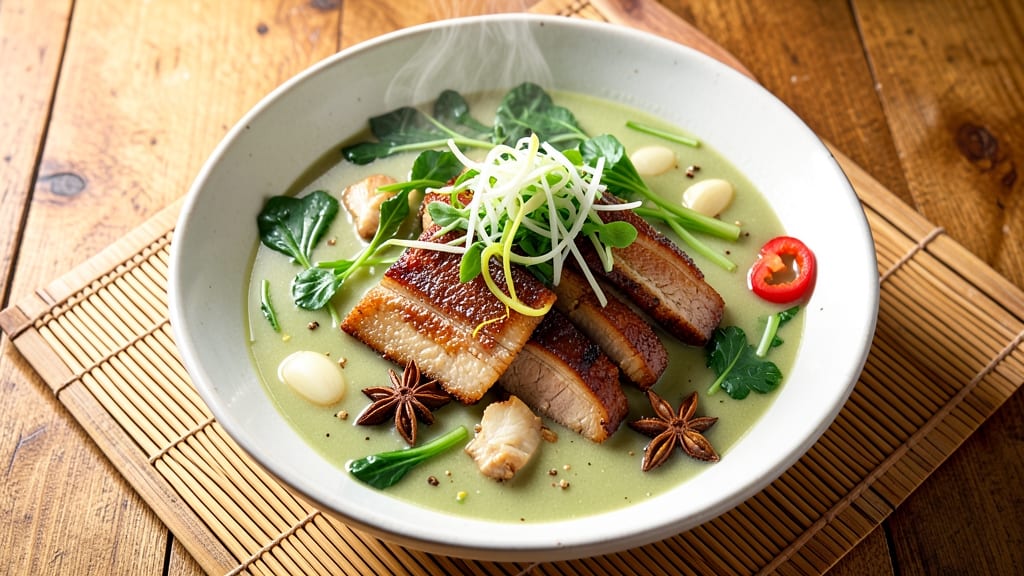
This Chinese pork and watercress soup recipe delivers the perfect balance of light broth and vibrant herbal freshness—just like my grandmother used to make. The secret lies in tender pork belly slices simmered until they're melt-in-your-mouth, paired with peppery watercress that brightens every spoonful.
I've perfected this dish over years of testing, ensuring the broth stays crystal-clear while packing maximum flavor through proper aromatics and simmering technique.
The beauty of this recipe is its simplicity—just a few quality ingredients transform into a restaurant-worthy bowl of soup. We start with pork belly for its rich, fatty flavor that infuses the broth, then build layers of aroma with ginger, scallions, and star anise.
The watercress adds that signature peppery bite that makes this soup uniquely satisfying. What you'll end up with is a dish that's both comforting and refreshing, perfect for any occasion.
This soup works beautifully as a standalone meal or paired with steamed rice for a complete dinner. The clear broth makes it light enough for summer but hearty enough for cooler months.
I've included a few professional tips to ensure your soup turns out perfectly—like how to properly blanch the pork and when to add the watercress for maximum freshness. The result is a dish that tastes authentically Chinese while being completely approachable for home cooks.
One of the things I love most about this recipe is how versatile it is. You can adjust the heat level with chili oil, add mushrooms for extra umami, or even make it spicier with a dash of Sichuan peppercorns.
The key is balancing those flavors while maintaining the soup's signature lightness. Let's get started on creating your own bowl of this comforting, flavorful soup.
Ingredients for chinese pork and watercress soup
Just 14 quality ingredients transform into a restaurant-worthy Chinese pork and watercress soup.
| Ingredient | Amount | Notes |
|---|---|---|
| Pork Belly 🥓 | 1 lb | Thinly sliced, skin removed |
| Fresh Watercress 🌿 | 4 cups | Peppery leaves, stems trimmed |
| Fresh Ginger 🧄 | 1 ½ tbsp | Grated, skin removed |
| Green Onions 🧅 | 3 whole | White and green parts separated |
| Star Anise 🌶️ | 2 whole | Lightly crushed for aroma |
| Garlic Cloves 🧄 | 4 cloves | Minced, skin removed |
| Dried Shiitake Mushrooms 🍄 | 2 whole | Rehydrated, sliced |
| Light Chicken Broth 💧 | 4 cups | Low-sodium preferred |
| Sesame Oil 🫒 | 1 tbsp | Toasted, for finishing |
| Dark Soy Sauce 🥄 | 1 tbsp | For umami depth |
| Rice Vinegar 🍶 | 1 tbsp | For brightness |
| White Peppercorns 🌶️ | ¼ tsp | Freshly ground |
| Cornstarch 🌾 | 1 tbsp | For broth clarification |
| Cold Water 💧 | ½ cup | For cornstarch slurry |
The pork belly is non-negotiable—look for thick-cut slices with good marbling at Whole Foods or your local Asian market. If you can't find pre-sliced, ask the butcher to cut it thinly. Fresh watercress should be vibrant green with no wilted leaves—Trader Joe's or farmers markets have the best quality. Star anise is a game-changer; grab it in the spice aisle or the international section. For the ginger, freshly grated makes all the difference—pre-grated loses flavor fast. I always double the amount in my notes because it's worth it.
No shiitake mushrooms? Dried porcini or even cremini work in a pinch. Short on watercress? Baby spinach or bok choy add a different but delicious twist. The broth can be homemade (simmer chicken bones with ginger and scallions for 4 hours) or store-bought—just check for low sodium. For extra clarity, strain the broth through a fine-mesh sieve after simmering. The cornstarch slurry is key for that signature crystal-clear broth—mix it well to avoid lumps. Want more heat? Add 1 tsp chili oil at the end or swap white pepper for Sichuan peppercorns.
This soup tastes even better the next day—broth flavors meld beautifully. Store in airtight containers for 4-5 days in the fridge. Freeze for up to 3 months by portioning into single-serving containers. The watercress wilts fast, so add it last—right before serving. For a complete meal, serve with steamed jasmine rice. Leftovers reheat perfectly—just bring to a gentle simmer and adjust seasoning with a splash of soy sauce or vinegar.
Why You'll Love This Recipe
- One-Pot Wonder: I swear by this recipe when I’m too tired to juggle multiple pans. Toss the pork belly, ginger, and star anise into a single pot—no chopping chaos, just simmering. The watercress gets tossed in last, so it stays vibrant and peppery, not wilted.
- Crispy-Tender Magic: That pork belly? Oh, it’s the star—crispy on the edges, melt-in-your-mouth tender inside. The star anise and ginger infuse the broth with this warm, earthy depth, while the watercress adds a fresh bite that cuts through the richness. It’s the kind of balance that makes you take a second bowl.
- Leftovers That Shine: Between us, this soup only gets better after a day in the fridge. The flavors meld even more, and reheating it is a breeze—just a splash of water, a quick stir, and you’re back to that perfect harmony. I keep a jar of star anise in my pantry just for this reason.
- Weeknight Workhorse: Honestly, this is my go-to when I need something nourishing but not fussy. The ingredients are simple, but the effect is chef’s kiss—comforting enough for a sick day, impressive enough for unexpected company. And if I’m prepping for the week? Double the batch, freeze half, and thank me later.
Step-by-step instructions for Chinese pork and watercress soup
Here's how to craft a delicate, aromatic broth with tender pork and vibrant watercress.
Prepare the Pork Belly and Aromatics
Slice the 1 lb pork belly into ¼-inch thick pieces, removing any skin or excess fat. I find using a sharp chef's knife and working over a bowl makes cleanup easier—just toss the trimmings into the bowl for later use. Separate the 3 whole green onions into white and green parts, keeping them whole for now.
In a separate bowl, combine the 4 cloves garlic cloves (minced), 1.5 tbsp fresh ginger (grated), and 2 whole star anise (lightly crushed). This aromatic blend forms the flavor foundation of your soup. For the dried shiitake mushrooms, soak the 2 whole dried shiitake mushrooms in 1 cup hot water for 20 minutes until pliable, then slice them. Reserve the soaking liquid for later use.
Sear the Pork Belly for Depth
Heat a large pot over medium-high heat and add the sliced pork belly in a single layer. Let it sear undisturbed for 2-3 minutes until the edges turn golden brown and crispy. This step develops a rich, caramelized flavor that infuses the broth. Flip the pork pieces and continue searing for another 2 minutes before removing them from the pot and setting aside.
In the same pot, add the white parts of the green onions and cook for 30 seconds until fragrant. This quick sauté enhances their flavor without burning. Remove the white onion parts and set them aside with the pork.
Build the Flavorful Broth
Add the 4 cups light chicken broth to the pot along with the reserved soaking liquid from the shiitake mushrooms. Bring the mixture to a gentle boil over medium heat, then reduce to a simmer. Add the seared pork belly, garlic-ginger mixture, and sliced shiitake mushrooms. Partially cover the pot and let it simmer for 30 minutes, skimming off any foam that rises to the surface.
After 30 minutes, the pork should be tender when pierced with a fork. If not, continue simmering for another 10 minutes. The broth should now have a rich, aromatic base with subtle sweetness from the mushrooms and depth from the star anise.
Clarify the Broth and Finish
In a small bowl, whisk together the 1 tbsp cornstarch and 0.5 cup cold water to create a smooth slurry. Slowly pour this mixture into the simmering pot while stirring gently. The broth will thicken slightly, creating a velvety texture. Simmer for another 5 minutes to allow the cornstarch to fully incorporate and clarify the broth.
Strain the broth through a fine-mesh sieve into a clean pot, pressing gently on the solids to extract all the flavor. Discard the solids. Return the strained broth to the heat and stir in the 1 tbsp dark soy sauce and 1 tbsp rice vinegar. Taste and adjust seasoning with the 0.25 tsp white peppercorns—this adds a subtle, aromatic heat that complements the dish.
Assemble and Serve
Add the 4 cups fresh watercress to the clarified broth and let it wilt slightly for 2-3 minutes—just enough to soften the leaves while retaining their vibrant color. Return the pork belly to the pot and heat through for 2 minutes. Ladle the soup into bowls, drizzle each serving with 1 tsp sesame oil, and garnish with the reserved green parts of the green onions. Serve immediately while the broth is steaming hot.
The soup should be light yet flavorful, with tender pork pieces floating in a clear, aromatic broth. Each spoonful delivers a balance of savory, umami, and bright herbal notes. The watercress adds a peppery freshness that cuts through the richness of the pork and broth.
Pro Tips For Making Chinese Pork And Watercress Soup
- Blanch Pork Belly First: Skip the slow simmer start—give that pork belly a 3-minute blanch in boiling water before adding it to the pot. I learned this the hard way when my first batch turned out tough; the blanch breaks down collagen faster and guarantees tender slices. Drain well afterward to avoid greasy broth.
- Slice Ginger Like Strips: Forget mincing—use a mandoline or sharp knife to cut ginger into thin, long strips (about 1/8-inch thick). They infuse flavor without disappearing and look way more impressive. My grandmother swore by this, and she was right: the soup tastes brighter when the ginger stays visible.
- Add Watercress Late: Toss the watercress in at the very end—just 2 minutes before serving. It wilts fast and turns bitter if you cook it too long. I used to add it early, and the soup always tasted dull. Save it for the last sprint to keep that peppery crunch.
- Char Star Anise First: Toast the star anise in a dry pan for 30 seconds until fragrant—you’ll smell it pop. This unlocks deeper flavor than just dropping it in cold. I was skeptical until I tried it: the aroma alone makes the broth taste richer, and it’s a 2-minute upgrade that makes a real difference.
Best sauces and condiments for chinese pork and watercress soup
Sesame Oil Finish
The star of this soup's finishing touch is toasted sesame oil, which adds a nutty aroma and depth of flavor. I recommend using Kadoya brand sesame oil—it's toasted to perfection and won't overpower the delicate broth.
Drizzle just 1 tsp per serving right before eating, as the oil's flavor dissipates quickly when heated. For extra authenticity, toast the sesame seeds separately and sprinkle them on top. 🫒
Dark Soy Sauce Secrets
Don't confuse dark soy sauce with regular soy sauce—it's thicker, sweeter, and adds a beautiful mahogany color. I use Lee Kum Kee brand for its balanced umami-sweetness. The 1 tbsp you add to the broth enhances the pork's richness without making the soup taste salty.
Pro tip: If your sauce is too sweet, balance it with an extra ½ tsp rice vinegar.
Rice Vinegar Brightness
The 1 tbsp rice vinegar is what makes this soup sing with freshness. I prefer Kikkoman brand for its clean, bright acidity. Add it at the very end with the soy sauce to preserve its zesty quality.
For a more complex flavor, try black vinegar (also called Chinese black vinegar) at ½ tsp—it adds a molasses-like depth that pairs beautifully with the pork.
Peppercorn Variations
While white peppercorns give a subtle warmth, don't be afraid to experiment. For a Sichuan twist, swap them for Sichuan peppercorns (also called huajiao) at ¼ tsp, lightly toasted.
These add a tingling numbness that contrasts wonderfully with the pork's richness. If you can't find them, a pinch of ground white pepper works just fine. 🌶️
Chili Oil Heat Level
For those who love a little kick, finish with 1 tsp chili oil (I like Lao Gan Ma brand). Start with ½ tsp and adjust to taste—the oil's heat intensifies when drizzled over hot soup.
For a smoky variation, mix ½ tsp chili oil with ½ tsp toasted sesame oil before drizzling. This creates a perfect balance of heat and nuttiness that elevates every spoonful.
Broth Clarity Boosters
The cornstarch slurry is your secret weapon for crystal-clear broth, but there are alternatives. For a more traditional approach, try egg whites (beaten and strained) instead of cornstarch—they create a silky texture. Another option is 1 tsp arrowroot powder mixed with water.
Both methods require careful straining to achieve that signature clarity. For best results, always use cold water to mix your thickening agent. ⚡
Nutrition facts
Frequently asked questions
Can I substitute pork belly with another cut of pork?
Pork belly is ideal for its rich, fatty flavor, but you can use pork shoulder or pork tenderloin in a pinch. Cut the meat into ¼-inch slices and marinate in 1 tbsp soy sauce and 1 tsp cornstarch for 15 minutes before cooking. Pork tenderloin will be leaner, so add ½ tsp sesame oil to the broth for extra richness.
How do I make this soup spicier?
For added heat, stir in ½ tsp chili oil at the end or swap white pepper for Sichuan peppercorns (lightly toasted). For a smoky kick, add ½ tsp doubanjiang (fermented chili bean paste) when searing the pork. Adjust to taste—chili oil intensifies when drizzled over hot soup!
Can I prepare this soup ahead of time?
The broth and pork can be made 1 day ahead and stored in an airtight container in the fridge. Reheat gently on the stove, then add watercress and sesame oil just before serving. For freezing, portion into single servings and freeze for up to 3 months—thaw overnight in the fridge before reheating.
What if my broth isn't clear?
Cloudy broth happens when proteins and fats aren't fully clarified. Strain the broth through a cheesecloth-lined sieve for extra clarity. For a richer texture, skip the cornstarch and use egg whites (beaten and strained) instead. Simmer the broth with egg whites for 10 minutes, then strain carefully.
Is watercress essential, or can I use another green?
Watercress is traditional for its peppery bite, but baby spinach, bok choy, or arugula work well too. Add greens 2-3 minutes before serving to keep them vibrant. For a heartier soup, include ½ cup shredded napa cabbage—it adds crunch and mild sweetness.