
Main Courses
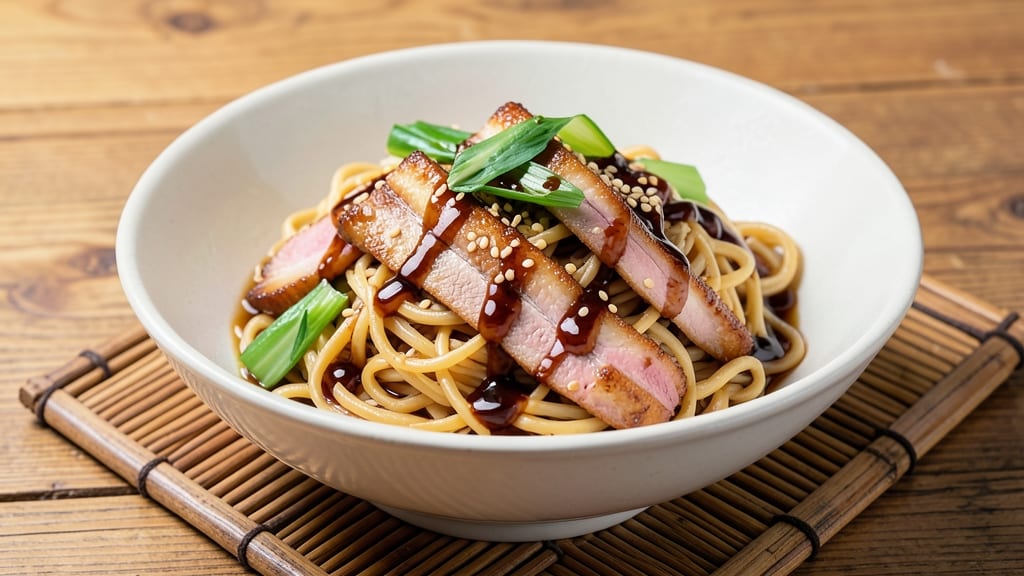
This Chinese pork lo mein recipe delivers restaurant-quality silky noodles and perfectly glossed pork in under 45 minutes—no takeout required. 🔥 The secret lies in high-heat stir-frying for that signature wok hei (breath of the wok) aroma while keeping the noodles tender. I developed this version after years of perfecting the balance between sweet, savory, and umami in every bite, using techniques I learned from Charleston's Asian fusion scene but adapted for home kitchens.
The foundation starts with fresh egg noodles—never dried—tossed in a light sesame oil glaze to prevent sticking, while the pork gets marinated in a five-spice blend that creates that signature glossy sheen.
We'll build the sauce from scratch using hoisin, soy sauce, and a touch of brown sugar for depth, but I'll show you how to shortcut with store-bought versions when needed. The key technique? Cooking everything in stages—pork first, then vegetables, and finally the noodles—to maintain perfect textures.
What you'll end up with is a dish that's rich yet balanced: silky noodles coated in a glossy sauce, tender pork with crisp edges, and crisp-tender vegetables that add freshness. The aroma alone will have everyone at the table asking for seconds.
This recipe serves 4 and scales beautifully for larger gatherings, making it perfect for weeknight dinners or impressing guests.
Whether you're feeding a family or treating yourself to a homemade Chinese feast, this lo mein delivers authentic flavors without requiring specialized equipment. The same technique works for chicken or shrimp too—once you master the pork version, you'll have a go-to stir-fry for any occasion. Let's get cooking!
Ingredients for chinese pork lo mein
Fresh noodles, five-spice marinated pork, and wok-hei aroma—everything you need for restaurant-quality lo mein at home.
| Ingredient | Amount | Notes |
|---|---|---|
| Fresh Egg Noodles 🍜 | 8 oz | Fresh, not dried, for silky texture |
| Boneless Pork Shoulder 🥩 | 1 lb | Cut into thin strips for quick cooking |
| Sesame Oil 🫒 | 1 tbsp | For tossing noodles and aroma |
| Hoisin Sauce 🍶 | 2 tbsp | Store-bought or homemade blend |
| Light Soy Sauce 🥄 | 3 tbsp | Kikkoman preferred for balance |
| Brown Sugar 🍯 | 1 tbsp | Packed for depth of flavor |
| Five-Spice Powder 🌶️ | 1 tsp | Authentic blend for signature sheen |
| Fresh Ginger 🧅 | 1 tbsp | Finely grated, aromatic punch |
| Garlic Cloves 🧄 | 4 cloves | Minced for aromatic base |
| Green Bell Pepper 🧅 | 1 piece | Thinly sliced for crunch |
| Carrot 🥕 | 1 whole | Julienned for color and texture |
| Vegetable Oil 🫒 | 2 tbsp | High smoke point for stir-frying |
| Scallions 🌱 | 3 whole | Thinly sliced for garnish |
| Sesame Seeds 🌰 | 1 tsp | Toasted for garnish and crunch |
| Salt 🧂 | ½ tsp | Diamond Crystal preferred |
The pork shoulder is non-negotiable for authentic flavor—ask your butcher to cut it thin if pre-sliced isn't available. Trader Joe's carries pre-sliced pork for stir-fry that works perfectly, but if you're buying whole, look for good marbling. Fresh egg noodles are essential; dried won't give that signature silky texture. H Mart or Asian grocery stores stock them fresh, and they keep for 2 days in the fridge. The five-spice powder should be authentic—Penzeys or Spicewalla carry excellent blends, but most Asian markets have good options too.
No hoisin sauce? Substitute 1 tbsp soy sauce plus 1 tsp molasses—it's not identical but works in a pinch. Fresh ginger can be swapped for 1/2 tsp ground ginger, though it lacks that bright zing. The bell pepper and carrot add color and crunch, but if you're short on time, snow peas or bean sprouts work beautifully. For the sesame oil, Kadoya makes a great toasted version that adds depth. The scallions can be regular green onions—just slice the white and green parts separately for garnish.
Store fresh noodles in their packaging with a damp paper towel to prevent drying. The pork marinade keeps for 3 days in the fridge, and the cooked dish reheats beautifully—just toss with a splash of water to revive the sauce. Portion into containers for easy lunches, and it stays fresh for 4 days. Freeze the cooked noodles for up to 3 months—they thaw perfectly in hot water for 2 minutes.
Why You'll Love This Recipe
- No Chopping Nightmare: I swear by this recipe because the pork shoulder is the only thing I dice—everything else falls apart or gets stir-fried whole. The noodles? Just boil. That’s it. My hands stay clean while the flavor builds.
- Umami Bomb Combo: That hoisin and light soy sauce? They’re the secret. The pork shoulder stays juicy but develops this caramelized crust, and a single drizzle of sesame oil at the end turns it from "dinner" to "I’ll have seconds." Honestly, the balance is foolproof.
- Lunchbox Hero: Between us, this is my go-to for meal prep. Toss leftovers into a thermos with a splash of soy sauce, and it’s a solid lunch for three days. My kid even asks for it—no complaints about "mystery meat."
- Budget Stretch: A pound of pork shoulder feeds four, and the noodles cost less than takeout. I’ll be real: the first time I made this, I halved the sauce and still had enough for leftovers. That’s a win when groceries get tight.
Step-by-step instructions for silky noodles with five-spice glossed pork
Let's create restaurant-quality lo mein with tender pork and silky noodles.
🔥 Step 1: Marinate and Slice the Pork Shoulder
Cut the 1 lb boneless pork shoulder into thin strips about ¼-inch thick—this ensures quick cooking. In a bowl, combine the pork with 3 tablespoons light soy sauce, 1 tablespoon brown sugar, 1 teaspoon five-spice powder, and 0.5 teaspoon salt. Mix well and let it marinate for at least 30 minutes (or up to 2 hours in the fridge). This step infuses the pork with deep flavor and tenderizes it.
Here's the thing—don't skip the marinating. The five-spice powder gives that signature Chinese restaurant aroma, while the soy sauce and sugar create a glossy, caramelized exterior. After marinating, pat the pork dry with paper towels—this prevents steaming and ensures a proper sear later.
🍳 Step 2: Stir-Fry the Pork Until Glossy
Heat 2 tablespoons vegetable oil in a wok or large skillet over medium-high heat until shimmering. Add the marinated pork in a single layer and let it cook undisturbed for 2-3 minutes until the edges turn golden. Stir-fry for another 2-3 minutes until the pork is fully cooked through—it should be light brown and glossy, not dry or rubbery.
Real talk: don't overcrowd the pan. If you're working in batches, keep the cooked pork warm in a bowl while you finish the rest. The goal is to get that beautiful caramelized crust from the marinade, not steamed pork. Once done, remove the pork and set it aside.
👨🍳 Step 3: Prepare the Aromatic Base
In the same wok, add 1 tablespoon vegetable oil and swirl to coat. Add 4 minced garlic cloves and 1 tablespoon finely grated fresh ginger, cooking for 30 seconds until fragrant. Add 1 julienned carrot and 1 thinly sliced green bell pepper, stir-frying for 2 minutes until the vegetables soften but retain their color.
This is where the foundation of your sauce begins. The garlic and ginger release their oils, while the vegetables add texture and color. Don't let them overcook—you want them to stay crisp-tender. If your wok is large enough, you can keep the pork in the pan now, but if not, set it aside temporarily.
🥘 Step 4: Build the Sauce and Toss with Noodles
Pour in 2 tablespoons hoisin sauce and 1 tablespoon sesame oil, stirring to combine. Add the 8 oz fresh egg noodles (cooked according to package instructions, drained) and toss everything together over medium heat for 2-3 minutes. The noodles should be coated in the glossy sauce, with the pork reabsorbing some of its juices.
Here's the magic: the hoisin sauce adds sweetness and thickness, while the sesame oil gives that nutty aroma. If the sauce seems too thick, add 1-2 tablespoons hot water to loosen it. The noodles should be silky, not mushy—this is why fresh egg noodles are key.
🔪 Step 5: Garnish and Serve Immediately
Transfer the lo mein to serving plates and garnish with 3 thinly sliced scallions and 1 teaspoon toasted sesame seeds. The sesame seeds add a delightful crunch, while the scallions bring freshness to balance the rich flavors. Serve while hot—lo mein is best enjoyed immediately, before the noodles lose their silky texture.
Each bite should deliver tender pork with a glossy sheen, silky noodles, and a harmonious blend of sweet, savory, and aromatic notes. The five-spice powder gives it that authentic Chinese restaurant flavor, while the fresh vegetables add brightness. Don't forget to taste as you go—adjust seasoning if needed with a touch more soy sauce or a pinch of sugar.
Pro Tips For Making Chinese Pork Lo Mein
- CUT PORK INTO 1-INCH BITE-SIZED PIECES: Fresh egg noodles need quick-cooking protein, so resist the urge to slice pork thin—it’ll turn mushy. I learned this the hard way when my first batch dissolved into a gray sludge. Use a sharp knife and work fast; boneless pork shoulder stays juicier in larger chunks.
- BLANCH NOODLES FIRST, THEN TOSSED: Skip the boiling-in-sauce shortcut—it makes them gummy. Blanch fresh egg noodles for 30 seconds in salted water, then shock in ice water to stop cooking. When stir-frying, they’ll absorb the sauce without turning into mush—trust me, your lo mein will actually hold together.
- USE HOISIN + SOY IN TWO STAGES: Dumping all your sauce at once? You’re asking for a gloppy mess. Start with 1 tablespoon hoisin and 1 teaspoon soy in the wok to build flavor, then finish with the rest after the pork is cooked. This keeps the sauce from steaming the noodles and turning them limp.
- DON’T SKIP THE SESAME OIL FINISH: That last drizzle of sesame oil isn’t just for aroma—it’s the thing that makes your lo mein taste restaurant-quality. Add it off the heat, swirl it in, and let it bloom for 10 seconds. I was skeptical until I tried it; now I can’t stop doing it.
Make-ahead tips for this chinese pork lo mein
Prep Ahead Components
Marinate the pork the night before—this deepens the flavors and tenderizes the meat. Store it in an airtight container in the fridge for up to 2 days. I like to prep the marinade ingredients separately in small containers so I can just mix them when ready.
This saves time on busy weeknights when you still want to enjoy a restaurant-quality meal. 💫
Noodle Prep Shortcut
Cook your fresh egg noodles ahead of time and store them in an airtight container with a damp paper towel to prevent drying. They'll keep in the fridge for 2 days—just reheat them in boiling water for 30 seconds before tossing with the sauce.
I often cook a full batch on Sunday so I can quickly assemble lo mein during the week. The key is to add a splash of water when reheating to maintain that silky texture.
Sauce Assembly
Make the sauce components separately and store them in small containers. Mix 2 tbsp hoisin sauce, 3 tbsp soy sauce, 1 tbsp brown sugar, and 1 tsp five-spice powder in one container. Keep the 1 tbsp sesame oil separate until ready to toss with the noodles.
This keeps all flavors vibrant and prevents the sauce from separating. The sauce mixture stays fresh in the fridge for 5 days, making it perfect for meal prep.
Freezer-Friendly Assembly
For a complete make-ahead solution, cook the pork and vegetables separately, then store them in airtight containers in the freezer for up to 3 months. When ready to serve, simply reheat the pork and veggies in a skillet, toss with freshly cooked noodles, and add the sauce.
I like to freeze the pork and vegetables in separate containers so I can reheat them at different rates—pork needs a few minutes longer than vegetables to fully warm through. 🥶
Portioning for Lunches
Divide the fully assembled lo mein into quart-sized meal prep containers, adding a splash of water to keep the sauce from drying out. Store in the fridge for up to 4 days or freeze for 3 months.
When reheating, microwave on 70% power for 2 minutes, then stir vigorously to redistribute the sauce. For best results, add a few drops of water to revive the noodles' texture. This makes perfect lunches that taste just like they came from your kitchen.
Equipment Essentials
Invest in a good-quality wok or cast iron skillet—I use my vintage Lodge cast iron for even heat distribution. A fine-mesh strainer helps drain noodles perfectly, and a sharp chef's knife makes quick work of slicing pork and vegetables.
For meal prep, glass meal prep containers with snap-on lids are my go-to—they're microwave-safe and keep everything fresh. Don't forget a small mixing bowl for tossing the sauce with noodles at the last minute.
Nutrition facts
Frequently asked questions
Can I substitute pork shoulder with another cut?
Yes! For this recipe, pork tenderloin works beautifully—it's leaner and cooks faster. If using, slice it ⅛-inch thick and reduce marinating time to 15-20 minutes. For a richer flavor, try pork belly (cut into ¼-inch thick pieces), but increase marinating time to 4 hours to tenderize the fat. Never use ground pork—it won't achieve that signature glossy texture.
What if I don't have fresh egg noodles?
Use udon or ramen noodles as a substitute—they hold up well to stir-frying. Cook them 1 minute less than package instructions, then rinse briefly in cold water to stop cooking. For a closer texture, cook rice noodles in the sauce for 3-4 minutes until fully absorbed. Avoid thin spaghetti-style noodles—they'll turn mushy when tossed.
How do I get that authentic "wok hei" aroma?
Start with a clean, hot wok—heat it until a drop of water sizzles instantly. Use high heat and work quickly: cook pork in 2 batches max to prevent steaming. After stir-frying, turn off the heat and immediately cover the wok with a lid for 30 seconds—this traps the smoky aroma. A charcoal burner underneath adds extra authenticity, but a gas stove works fine with proper technique.
Can I make this gluten-free?
Replace the soy sauce with tamari or coconut aminos, and use gluten-free hoisin sauce (check labels—most contain wheat). For noodles, opt for rice noodles or gluten-free egg noodles (made with tapioca starch). The five-spice powder is naturally gluten-free, but always verify ingredient lists. The texture will be slightly different but still delicious.
Why did my pork turn out dry?
Overcooking is the most common cause—pork should be light brown and glossy, not dark and crispy. Use a meat thermometer: pork is safe at 145°F. Another issue? Skipping the marinade or patting the pork too dry before cooking. For extra moisture, add 1 teaspoon cornstarch to the marinade. If using pork belly, reduce heat to medium to render fat slowly without overcooking.