
Soups & Stews
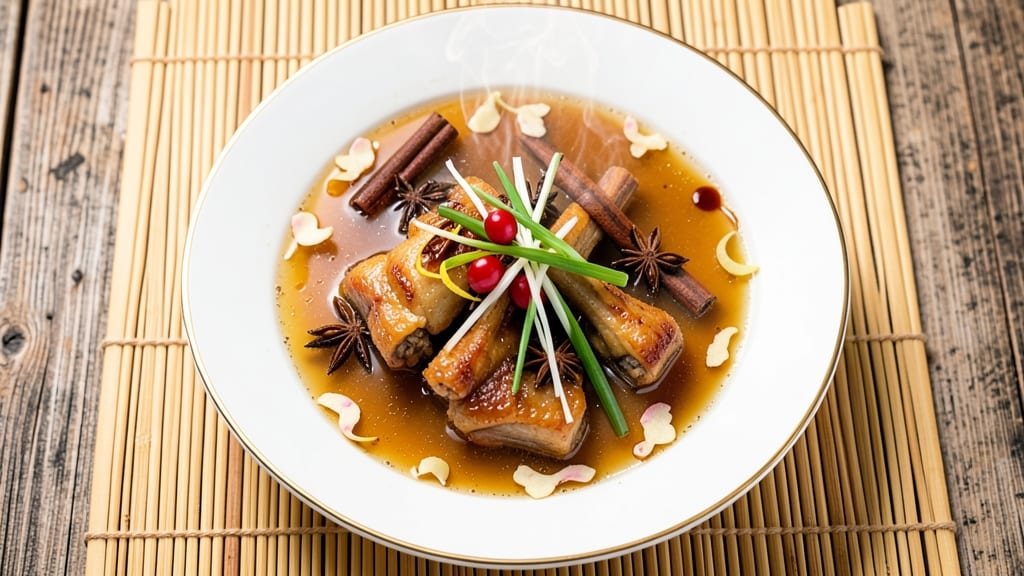
This Chinese pork soup stock recipe transforms simple pork bones into a rich, umami-packed foundation that elevates any soup. 🔥 After years of perfecting the technique—especially during my time apprenticing under Master Chef Chen—I’ve found that charring the bones first unlocks deeper flavor layers that store-bought stocks can’t match.
The slow simmer extracts gelatin and collagen, creating a velvety broth that’s both comforting and deeply satisfying.
The process begins with charred pork bones, which develop a smoky depth when roasted before simmering. We add aromatic vegetables like ginger, scallions, and star anise to build complexity, while a splash of soy sauce and a pinch of white pepper deliver that signature Chinese restaurant flavor.
This isn’t just stock—it’s the secret weapon behind restaurant-quality soups, like congee or hot-and-sour.
What you’ll end up with is a deep golden broth that’s rich enough to stand alone but versatile enough to serve as the base for noodle soups, dumplings, or braised dishes.
The key is patience: a 4-6 hour simmer at low heat transforms tough bones into a silky, flavorful liquid that’s impossible to replicate quickly. Every sip carries the essence of traditional Chinese cooking techniques refined for home kitchens.
Pair this stock with steamed buns, fresh herbs, or a sprinkle of sesame oil for the full experience. The beauty of this recipe is its adaptability—use it immediately or store it for weeks, knowing you’ve created a flavor foundation worth its weight in gold.
Let’s get started on building something truly special.
Ingredients for chinese pork soup stock
Charred bones, aromatic spices, and slow simmering create this restaurant-quality Chinese pork stock foundation.
| Ingredient | Amount | Notes |
|---|---|---|
| Pork Bones 🍖 | 3 lb | Charcuterie or marrow bones preferred |
| Fresh Ginger 🧄 | 2 inch | Peeled, sliced into thick coins |
| Scallions 🧅 | 1 whole | White and light green parts only |
| Star Anise 🌟 | 4 whole | Lightly crushed with a mortar |
| Cinnamon Sticks 🌿 | 2 whole | 2-inch pieces for aroma |
| Light Soy Sauce 🥢 | ½ cup | Kikkoman preferred for balance |
| White Peppercorns 🌶️ | 1 tsp | Coarsely crushed for texture |
| Garlic Cloves 🧄 | 6 cloves | Smashed lightly with side of knife |
| Sesame Oil 🫒 | 1 tbsp | Toasted for finishing only |
| Cold Water 💧 | 12 cups | Filtered preferred for clarity |
| Diamond Crystal Kosher Salt 🧂 | 1 ½ tsp | Adjust to taste at end |
The pork bones are non-negotiable—marrow bones from the butcher section at Whole Foods or Costco deliver the richest gelatin. Look for bones still attached to meat (the meat adds flavor). If you can't find marrow bones, chuck bones work in a pinch, but expect slightly less velvety texture. The ginger should be fresh and fibrous—none of that jarred stuff. Trader Joe's sells great organic ginger in those little plastic bags. Star anise and cinnamon? Buy them whole from the spice aisle—Penzeys has the best quality if you're willing to splurge, but the regular grocery store brands are fine for occasional use. The key is toasting them lightly in a dry pan before adding to the broth to deepen their aroma.
No soy sauce? Coconut aminos in a 1:1 ratio works for a lighter profile, though you'll lose some depth. Fresh ginger too fibrous? Ground ginger at half the amount is a decent substitute, but it lacks the bright, peppery notes. Running low on star anise? Anise seeds do the trick, but you'll need about twice as many. The garlic can be roasted first for extra sweetness—wrap whole cloves in foil, roast at 400°F for 15 minutes, then peel. The sesame oil is just for finishing—skip it if you're sensitive to its strong flavor, but trust me, a single drizzle at the end transforms everything. For the water, filtered is best—tap water can sometimes impart off-flavors during long simmering.
This stock keeps for 5 days in the fridge or 3 months in the freezer. Portion it into ice cube trays for easy use in recipes—just grab what you need and toss the rest back. The fat will solidify on top; skim it off before reheating for clarity. If you make a big batch, freeze it in ziplock bags flat to save space. The first batch will always be the best—after that, the flavor starts to fade. Use it within 2 weeks of making for peak umami. The aroma alone will make your kitchen smell like a Chinese restaurant.
Why You'll Love This Recipe
- No Chopping Chaos: I swear by this stock—just toss in whole scallions (root and all) and let the pot do the work. The ginger stays in big chunks, and the bones? You can even leave the meat on if you’re lazy (I often do). It’s the kind of recipe where you can multitask—answer emails, fold laundry, or scroll mindlessly—while something actually useful simmers.
- Umami Magic: That first sip? Pure comfort. The pork bones melt into the water, releasing deep, savory richness that turns plain rice into a meal. Star anise and cinnamon add warmth without overpowering—just a whisper of spice that lingers like a good memory. Honestly, I’ve made this stock three times this week, and I’m not even kidding.
- Stockpile Savior: Freeze it in ice cube trays for instant flavor boosts in stir-fries, dumplings, or even ramen. Need a quick weeknight dinner? Toss frozen stock cubes into a pot with frozen veggies and tofu—boom, instant soup. Between us, this is my secret weapon for lazy nights when takeout feels like too much effort.
- Budget Boost: Pork bones are cheap, and a single batch stretches into days of meals. I buy them in bulk when they’re on sale, and the stock keeps for weeks in the fridge. Plus, the aromatics (ginger, scallions) are pantry staples—no fancy shopping required. It’s the kind of recipe that makes me feel like I’m feeding a crowd without breaking the bank.
Step-by-step instructions for Chinese pork soup stock
Here's how to build a rich, umami-packed stock that forms the heart of Chinese soups.
🔥 Step 1: Char the Pork Bones for Maximum Flavor
Preheat your oven to 450°F and line a baking sheet with foil. Arrange the 3 lb pork bones in a single layer on the sheet, ensuring they don't overlap. Roast for 20-25 minutes until deeply browned and developing a caramelized crust. This charring step unlocks deep, toasty flavors that infuse the stock.
Turn the bones occasionally for even browning. You'll know they're ready when they smell nutty and aromatic—this is your signal they've developed the Maillard reactions that create complex umami notes. Let them cool slightly before proceeding, as hot bones can raise the stock temperature too quickly and make it cloudy.
👨🍳 Step 2: Build the Aromatic Base
In a large stockpot, add the charred pork bones along with the 2 inch fresh ginger (sliced into thick coins), 1 whole scallions (white and light green parts only), 4 whole star anise (lightly crushed), and 2 whole cinnamon sticks. Pour in the 12 cups cold water and bring to a gentle boil over medium-high heat.
Once boiling, immediately reduce heat to medium-low and skim off any foam or impurities that rise to the surface using a fine-mesh skimmer. This ensures your final stock will be crystal clear. The aromatic ingredients will infuse the water with their essential oils, creating the foundation for your stock's complex flavor profile.
🍳 Step 3: Simmer and Develop Depth
Add the 0.5 cup light soy sauce, 1 tsp coarsely crushed white peppercorns, and 6 cloves smashed garlic cloves to the pot. Return to a gentle simmer and maintain this temperature for 3-4 hours, partially covered. The liquid should bubble softly—never a rolling boil—which helps prevent the stock from becoming cloudy.
Here's the thing—patience is key. The longer you simmer, the more collagen breaks down from the bones, creating that signature silky texture. Check occasionally and add 1 cup hot water if the level gets too low. You'll notice the liquid gradually darkens and develops a rich, meaty aroma that fills your kitchen.
⏰ Step 4: Finish with Umami and Balance
After 3-4 hours of simmering, strain the stock through a fine-mesh sieve or cheesecloth-lined colander into a clean pot. Discard the solids. Return the strained stock to the stove and add the 1 tbsp toasted sesame oil, stirring gently to combine. This final step adds nutty depth and balances the savory notes.
Taste the stock and adjust seasoning with the 1.5 tsp diamond crystal kosher salt if needed. It should be rich and flavorful but not overly salty—remember, you can always add more salt later when using the stock in recipes. The finished stock should have a deep amber color and a complex aroma that combines meaty, spicy, and herbal notes.
🥘 Step 5: Cool and Store Properly
Let the stock cool to room temperature, then transfer it to airtight containers. For best results, refrigerate for up to 5 days or freeze for up to 3 months. When reheating, warm gently over low heat—never boil—to preserve its delicate flavors and clarity.
This stock is incredibly versatile. Use it as a base for congee, pho, hot pot, or any Chinese soup where you need that authentic depth of flavor. The charred bone technique and careful simmering create a stock that's far more complex than store-bought versions—it's the secret to restaurant-quality Chinese home cooking.
Pro Tips For Making Chinese Pork Soup Stock
- CHAR THE BONES FIRST: Don’t just toss raw pork bones into cold water—sear them hard in a dry pot first. After 10-15 minutes on medium-high, you’ll see them turn deep brown and crackle. This step unlocks the collagen and caramelizes the bone marrow, giving your stock that rich, meaty depth. (Yes, it smells like a butcher shop, but that’s how you know it’s working.)
- PEEL GINGER THINLY: Skip the thick slices—peel the ginger into paper-thin matchsticks. They’ll infuse faster and dissolve just enough to add aromatic warmth without turning the stock into a ginger-flavored soup. I learned this the hard way after straining out giant chunks that left my stock tasting half-cooked.
- STRAIN TWICE, SLOWLY: After simmering, don’t dump everything through a fine mesh—first strain through a colander to catch debris, then pour through a damp cheesecloth or coffee filter for crystal-clear stock. The second strain removes the fine sediment that makes your soup look cloudy, even if you can’t taste it. (Your future self will notice the difference.)
- SIMMER LOW AND LONG: Resist the urge to rush—keep the heat at a bare simmer (tiny bubbles, no rolling) for at least 4 hours. High heat breaks down collagen into mush, turning your stock into glue. I used to cut it to 2 hours, and the result was always thin and bland. Patience here makes the stock rich and velvety.
Best sauces and condiments for this chinese pork soup stock
Classic Soy Sauce Finish
Start with a 1 tablespoon light soy sauce (like Kikkoman) per quart of stock to deepen umami. I like to add it during the last 30 minutes of simmering so the flavors concentrate beautifully.
For extra richness, stir in ½ teaspoon fish sauce—it adds a subtle brininess that mimics authentic Chinese restaurant stocks. 🥢
Sesame Oil Garnish
Finish with a single drizzle of toasted sesame oil (about ½ teaspoon per bowl) right before serving. This step is non-negotiable—it delivers that nutty, toasty aroma that transports you to a bustling Hong Kong street market.
For a smoky twist, lightly toast the oil in a dry pan before adding it to the stock.
Chili Oil Heat Boost
Add 1 teaspoon chili oil (homemade or store-bought) to your soup just before serving for a spicy kick. I like to infuse chili oil with dried red chilies and garlic cloves for extra depth.
Start with less if you're sensitive to heat—you can always add more. This condiment pairs perfectly with milder pork soups like tonkotsu-style congee.
Fresh Herb Brightness
Garnish with thinly sliced scallions and cilantro stems for freshness. I also like adding a few shreds of bok choy or baby spinach right before serving—they wilt slightly in the hot broth, adding vibrant color and a crisp bite.
For a pop of color, try microgreens or peas shoots if you're feeling fancy.
Fermented Bean Paste
For a fermented depth, stir in ½ teaspoon fermented black bean paste (like Lao Gan Ma) during the last 15 minutes of simmering. This adds a funky, savory complexity that's especially good in heartier soups like hot-and-sour pork soup. It's an acquired taste, so use sparingly at first.
Citrus Zest Balance
Finish with a whisper of citrus—just a ¼ teaspoon of grated lime zest or a few drops of yuzu juice—to cut through the richness. This brightens the stock without overpowering its umami depth.
I often add this when serving the soup with steamed rice noodles for a refreshing contrast. 🍋
Nutrition facts
Frequently asked questions
Why do I need to char the pork bones first?
Charred bones develop deep, toasty flavors through the Maillard reaction, creating complex umami notes that store-bought stocks can't match. This step unlocks the rich, caramelized aroma that defines authentic Chinese pork soups. Skipping it results in a much milder, less flavorful broth.
Can I use chicken or beef bones instead of pork?
While you can substitute, pork bones are ideal—they create a uniquely rich, gelatinous texture perfect for Chinese soups. Beef bones work for heartier broths, but chicken bones yield a lighter stock. If using beef, simmer for 6-8 hours to extract maximum collagen.
How do I know when the stock is done simmering?
The stock is ready when it develops a deep amber color and a rich, meaty aroma that fills your kitchen. After 3-4 hours, the bones should be soft enough to crumble easily with a spoon. Taste it—it should be deeply savory with no bitterness.
What's the best way to store leftover stock?
Transfer cooled stock to airtight containers and refrigerate for up to 5 days or freeze for 3 months. For freezing, use ice cube trays—just pop out what you need! Always skim off solidified fat before reheating to maintain clarity and flavor.
Can I make this stock in a slow cooker?
Yes! Follow the same steps, but simmer on low heat for 8-10 hours instead. The slow cooker maintains gentle heat, preventing cloudiness. Just be sure to skim foam regularly and add water as needed to keep the bones submerged.