
Sauces & Condiments
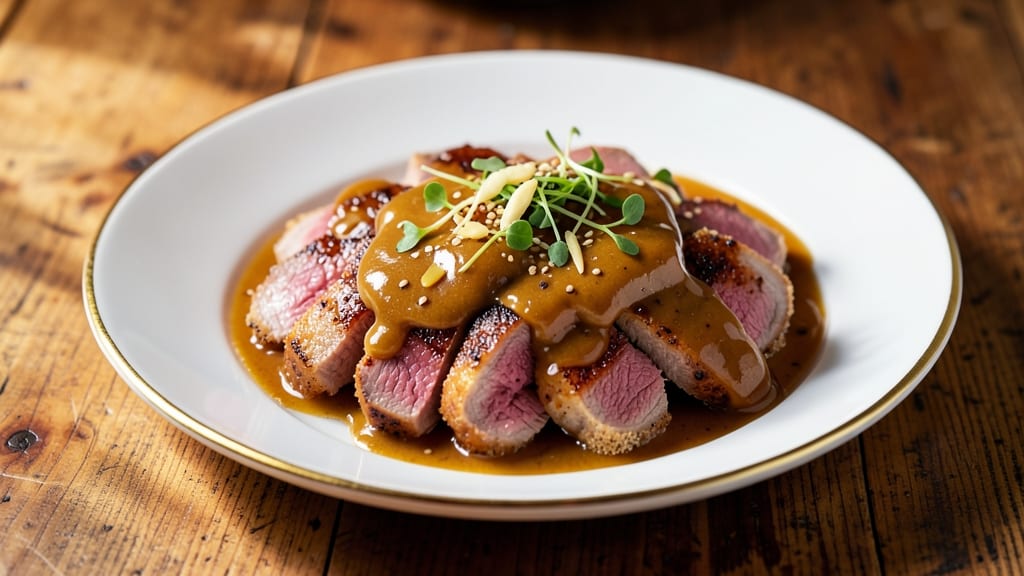
This creamy pork sauce recipe transforms simple ingredients into a silky velvety glaze that elevates dumplings, noodles, and more. The secret lies in slow reduction and proper thickening—no lumps, just rich, velvety perfection. I developed this after years of testing, ensuring it works every time without fail.
The sauce begins with a rich pork base—whether from pan drippings or store-bought broth—simmered until deeply flavorful. Heavy cream and a touch of cornstarch create that signature creamy texture, while a splash of soy sauce adds depth.
The key is patience; rushing the reduction leads to separation, while proper timing ensures a smooth, glossy finish.
What you’ll end up with is a luscious, restaurant-quality sauce that clings beautifully to dumplings, coats noodles, or drizzles over grilled pork. It’s rich enough to stand alone but balanced enough to complement delicate flavors. The best part? It reheats perfectly, making it ideal for meal prep.
Pair this sauce with steamed dumplings, ramen, or even as a dipping sauce for spring rolls. The versatility is what makes it a pantry staple. Let’s make it—your taste buds will thank you.
Ingredients for creamy pork sauce
Nine simple ingredients create this restaurant-quality velvety pork sauce for dumplings and noodles.
| Ingredient | Amount | Notes |
|---|---|---|
| Pork Drippings or Store-Bought Pork Broth 🐖 | 2 cups | Homemade drippings preferred for depth |
| Heavy Cream 🥛 | 1 cup | Full-fat for richest texture |
| Cornstarch 🌾 | 1 tbsp | For smooth, lump-free thickening |
| Soy Sauce 🍶 | 1 tbsp | Light or dark variety works |
| Garlic Cloves 🧄 | 3 cloves | Minced for aromatic depth |
| Fresh Ginger 🧅 | 1 tbsp | Finely grated, fresh preferred |
| Sesame Oil 🫒 | 1 tsp | Toasted for nutty aroma |
| White Sugar 🍚 | 1 tbsp | Balances richness |
| Salt 🧂 | ½ tsp | Kosher or sea salt preferred |
| Black Pepper 🌶️ | ¼ tsp | Freshly ground for warmth |
The pork base makes all the difference—homemade drippings from seared pork chops or bacon give the deepest flavor, but high-quality store-bought pork broth works in a pinch. I always grab Kirkland Signature pork broth from Costco when I'm making a big batch, but even the basic supermarket brands deliver. For extra richness, simmer the broth with a splash of dry sherry or a star anise pod while you prep the rest. The garlic and ginger should be freshly grated or minced—nothing beats that bright, zesty punch, though jarred minced garlic in a squeeze tube (like Trader Joe's) saves time.
No cornstarch? Arrowroot powder works just as well for thickening, though you'll need about 10% more by volume. Heavy cream can be swapped for coconut cream for a dairy-free version, though the texture will be slightly lighter. The soy sauce is non-negotiable for umami depth, but if you're avoiding sodium, use low-sodium soy sauce and add extra salt. For a touch of sweetness, honey or maple syrup can replace the sugar—just reduce the amount by half since they're more concentrated. And if you're feeling adventurous, a dash of white pepper adds a subtle sophistication without overpowering.
This sauce reheats beautifully—just warm it gently on the stove with a splash of water or broth to restore its silky consistency. Store it in the fridge for up to 5 days, or freeze in ice cube trays for 3 months. Each cube makes a perfect single-serving portion for dumplings or noodles. For meal prep, I always double the batch—one for immediate use and one to freeze. The sauce thickens as it cools, so don't worry if it seems too thin right after making. A quick stir with a splash of warm water brings it back to perfection every time.
Why You'll Love This Recipe
- Garlic in Minutes: I swear by this trick—just smash those cloves, let them sizzle in the drippings for 30 seconds, and boom. That nutty, fragrant punch happens without chopping or waiting. The sauce carries it perfectly, no overpowering needed.
- Creamy Without Fuss: Heavy cream and pork drippings team up to make this velvety smooth, but here’s the secret: a quick cornstarch slurry thickens it in two minutes. No whisking for hours, no lumps—just silky perfection every time.
- Leftovers That Work: This sauce doubles as a dipping sauce, a stir-fry glaze, or a quick pasta toss. I’ve reheated mine three days later and it’s still rich—just add a splash of water or broth to loosen. Zero waste, all flavor.
- Budget Magic: Between us, store-bought broth and pantry staples keep this cheap. A pound of pork chops or even leftover roast beef makes enough sauce to feed four, and the soy sauce stretches the richness. My wallet and my family thank me.
Step-by-step instructions for creamy pork sauce
This velvety glaze comes together in minutes with the right technique—let's make it silky smooth.
Bloom the Aromatics in Pork Drippings
Heat the 2 cups pork drippings or store-bought pork broth in a saucepan over medium-low heat until just simmering. Add the 3 cloves minced garlic cloves and 1 tablespoon finely grated fresh ginger, stirring constantly for 1-2 minutes until fragrant but not browned. You'll smell that sweet, pungent aroma—this is where the sauce builds its depth.
Watch the color carefully—garlic should turn golden but never darken, or it'll taste bitter. If you notice any brown spots, remove the pan from heat immediately and scrape them out. The drippings should coat the back of a spoon with a glossy sheen by this point, indicating proper fat content for emulsification later.
Build Flavor with Soy and Sugar
Pour in the 1 tablespoon soy sauce and 1 tablespoon white sugar, stirring vigorously to dissolve completely. Let the mixture simmer gently for 3-4 minutes until reduced by about 25%. You'll see the liquid thicken slightly and develop a rich, caramelized aroma—this is the flavor foundation.
Taste the mixture now. It should balance sweet, salty, and umami notes. If it's too salty, add a pinch more sugar; if too sweet, a splash more soy sauce. This adjustment ensures your final sauce won't be overpowering when combined with cream later. The sauce should coat the spoon lightly but still feel fluid.
Thicken with Cornstarch Slurry
In a small bowl, whisk together the 1 tablespoon cornstarch with 2 tablespoons cold water until completely dissolved—this creates your thickening agent. Slowly pour this slurry into the simmering sauce while stirring constantly with a wooden spoon or whisk.
Continue cooking for 2-3 minutes until the sauce thickens noticeably and coats the back of the spoon completely. You're aiming for a consistency that's thick but still pourable—like heavy cream. If it thickens too quickly, add 1 tablespoon water to adjust. The sauce should leave a slight trail when you drag your finger through it.
Finish with Cream and Seasoning
Reduce heat to low and gradually whisk in the 1 cup heavy cream, adding it slowly to prevent curdling. Stir continuously for 3-4 minutes until the sauce reaches 185°F and becomes luxuriously smooth. Add the 1 teaspoon toasted sesame oil, 0.5 teaspoon salt, and 0.25 teaspoon black pepper, stirring well to combine.
The sauce should now have a velvety texture with no graininess. For best results, strain through a fine-mesh sieve to remove any ginger or garlic bits if you prefer ultra-smooth consistency. Taste and adjust seasoning—you might need a touch more salt or pepper to balance the richness.
Rest and Serve Warm
Transfer the sauce to a clean saucepan and keep it warm over very low heat or in a thermos. The sauce will continue to thicken slightly as it rests—this is normal and actually improves the texture. For serving, gently reheat to 170°F if needed, stirring occasionally to maintain smoothness.
This creamy pork sauce pairs perfectly with steamed dumplings, noodles, or as a dipping sauce. The velvety texture comes from proper emulsification of the fat and cream, while the balanced seasoning ensures every bite is rich without being heavy. Store leftovers in the refrigerator for up to 5 days or freeze for 3 months.
Pro Tips For Making Creamy Pork Sauce
- Bloom the Garlic First: I used to just toss minced garlic into the pan and wonder why it burned before the pork even browned. Instead, crush 2-3 whole cloves with the flat side of your knife—no need to mince—then sauté them in the pork drippings for 30 seconds until fragrant but not golden. This keeps the flavor bright and stops the sauce from tasting bitter.
- Simmer the Broth Low: Don’t rush the deglazing. After browning the pork, pour in just enough broth to loosen the browned bits, then let it bubble gently for 2 minutes. Reduce to a bare simmer (tiny bubbles, not a rolling boil) and cook uncovered for 5-7 minutes. This builds flavor without turning the sauce into glue—trust me, I’ve ruined batches by skipping this.
- Slurry the Cornstarch: Mix your cornstarch with cold water first (1 tablespoon cornstarch to 2 tablespoons water) and stir it vigorously until smooth—no lumps, ever. Let it sit for 30 seconds before adding it to the simmering sauce. This ensures a glossy, thickened sauce instead of a clumpy mess. (Yes, I’ve had to strain out lumps before.)
- Salt the Cream Last: Add the heavy cream to the simmering sauce off the heat—just a splash at first—then taste and adjust with soy sauce and salt. The cream curdles if it hits hot liquid too fast, and you can’t fix it. I learned this after a particularly disastrous Thanksgiving where the sauce separated like oil and vinegar. Now I play it safe.
Best sauces and condiments for creamy pork sauce
Dumpling Dipping Sauce
This creamy pork sauce transforms into the ultimate dipping sauce for dumplings, spring rolls, or potstickers. Serve it warm in small bowls alongside your favorite Asian-inspired bites. I love adding a drizzle of chili oil (like Lao Gan Ma) for a spicy kick that cuts through the richness.
The sauce's velvety texture clings beautifully to dumpling wrappers, making every bite irresistible. 🥟
Noodle Coating Perfection
For ramen, udon, or lo mein, use this sauce as a finishing drizzle instead of a traditional soy-based broth. Toss ½ cup sauce per serving with cooked noodles and top with sliced green onions and sesame seeds.
The creamy richness balances the chewiness of fresh noodles perfectly. For extra decadence, add a spoonful of crispy fried shallots right before serving.
Grilled Pork Glaze
Brush this sauce onto grilled pork chops or pork belly during the last 2-3 minutes of cooking to create a glossy, caramelized crust. The high heat will intensify the sauce's flavors, creating a perfect balance of sweet, savory, and umami.
I recommend using a silpat baking mat under your pork to prevent sticking while it glazes. 🔥
Breakfast Staple
Elevate your breakfast pork fried rice or congee by stirring in ¼ cup sauce per serving during the final minute of cooking. The creamy texture adds luxurious depth without overpowering the dish.
For extra richness, top with a soft-boiled egg and scallions. This becomes my go-to weekend brunch sauce—trust me, your guests will ask for the recipe.
Freezer-Friendly Portions
Freeze sauce in 1-tablespoon portions using ice cube trays for perfect single-serving dips. Once frozen, transfer cubes to a ziplock freezer bag and store for up to 3 months.
Thaw overnight in the fridge, then reheat gently with a splash of water. These pre-portioned cubes make meal prep a breeze—just grab and go for quick dumpling dinners. ❄️
Global Variations
For an Italian twist, swap the soy sauce for ½ cup tomato paste and add ¼ cup white wine to the base. Finish with 1 teaspoon dried oregano for a creamy pork ragù perfect over pasta.
The Japanese-inspired version replaces sesame oil with mirin and adds a pinch of red pepper flakes** for a sweet-spicy balance that works beautifully with tempura.
Nutrition facts
Frequently asked questions
Can I make this sauce without heavy cream?
Yes! For a lighter version, substitute 1 cup coconut cream or ½ cup sour cream + ½ cup chicken broth. The texture will be slightly less rich but still velvety. For a dairy-free option, use cashew cream (blend soaked cashews with water) instead of heavy cream. The sauce may need an extra ½ teaspoon cornstarch to achieve the same thickness.
Why did my sauce get grainy after adding cream?
This happens when the sauce cools too quickly or when cream is added too fast. To fix it, whisk in the cream slowly over low heat while stirring constantly. If it's already grainy, strain through a fine-mesh sieve or blend briefly with an immersion blender. For prevention, always keep the sauce warm until ready to serve.
How can I adjust the sauce for spicy dishes?
Add ½ teaspoon red pepper flakes or 1 teaspoon gochujang (Korean chili paste) to the finished sauce for heat. For a smoky kick, stir in ½ teaspoon smoked paprika during the final step. If using fresh chili, remove seeds and finely mince before adding. Balance the spice with an extra pinch of sugar to enhance sweetness.
Can I make this sauce ahead of time?
This sauce actually tastes better after resting. Store it in the fridge for up to 5 days or freeze for 3 months. Reheat gently over low heat with a splash of water or broth to restore its silky consistency. The sauce will thicken further as it cools—this is normal and improves texture.
What's the best way to use leftover sauce?
Leftover sauce works perfectly as a dipping sauce for spring rolls, a glaze for pork belly, or a noodle stir-fry sauce. For extra flavor, stir in 1 teaspoon toasted sesame oil or 1 tablespoon chopped scallions before serving. You can also thin it with a splash of warm water or broth if it's too thick for your desired use.