
Main Courses
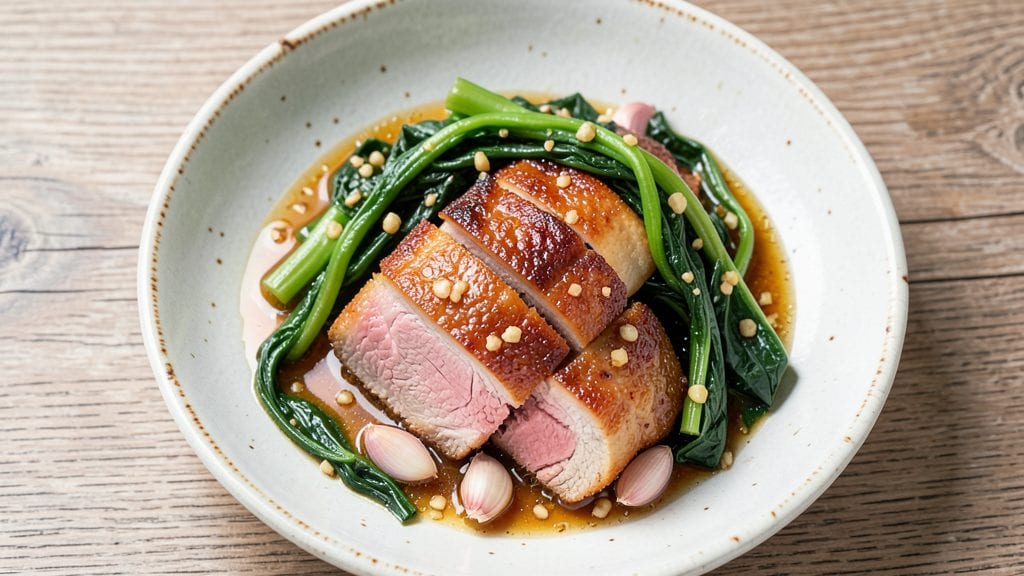
Mastering pork belly with pickled mustard greens transforms a simple meal into a showstopper—crispy-skin perfection paired with bright, tangy greens that cut through the richness. Growing up in Georgia, I learned that pork belly deserves respect, and this recipe honors that tradition while adding a modern twist.
The secret lies in rendering that fat slowly, then finishing with a broiler for skin that shatters like glass.
What makes this dish special is the contrast—tender, melt-in-your-mouth pork belly meets the sharp tang of pickled mustard greens, creating a balance that feels both comforting and refined.
The pickling process takes just 30 minutes, using simple pantry staples like vinegar and sugar, while the pork belly cooks low and slow until the skin turns golden and crispy. This isn’t just a recipe; it’s a technique that elevates humble ingredients into something extraordinary.
The result is a plate that’s impossible to resist: crispy edges on the pork belly, tender meat that falls apart with a fork, and greens that add a refreshing bite.
Serve it with a drizzle of the pickling liquid for extra tang, or pair it with a bold red wine to complement the richness. Every bite delivers that perfect harmony of textures and flavors—exactly what you crave on a cold night.
For those watching their fat intake, this dish is best enjoyed mindfully—pork belly is indulgent by nature, but the pickled greens provide a light counterpoint. Store leftovers in the fridge for up to 3 days, though I doubt they’ll last that long. Let’s get cooking!
Ingredients for pork belly with pickled mustard greens
Rich pork belly meets tangy mustard greens—simple ingredients create showstopping contrast.
| Ingredient | Amount | Notes |
|---|---|---|
| Pork Belly 🐷 | 2 lb | Skin-on, fat marbled |
| Kosher Salt 🧂 | 1 tbsp | For brining pork belly |
| Mustard Greens 🥬 | 2 bags | Fresh, organic preferred |
| White Vinegar 🍶 | 1 cup | Food-grade preferred |
| Granulated Sugar 🍚 | ½ cup | For pickling balance |
| Garlic Cloves 🧄 | 4 cloves | Fresh, peeled |
| Black Peppercorns 🌶️ | 1 tsp | Whole, crushed lightly |
| Red Pepper Flakes 🔥 | ½ tsp | For heat preference |
| Extra-Virgin Olive Oil 🫒 | ½ cup | For skin rendering |
| Unsalted Butter 🧈 | ¼ cup | Cubed for finishing |
| Dried Thyme 🌿 | 1 tsp | For aromatic depth |
| Dijon Mustard 🧂 | 1 tbsp | For pickling tang |
The pork belly is where this dish shines. Look for 2-pound slabs with thick fat marbling—this ensures maximum flavor and tenderness. Whole Foods or local butchers often carry high-quality cuts, but well-stocked grocery stores will suffice. Pat the skin dry before cooking to help it crisp properly. The fat-to-meat ratio should be about 1:1 for optimal rendering. I always trim excess fat after cooking, but leave enough to keep the meat moist during the slow cook.
Mustard greens are the perfect foil to pork belly’s richness. Organic greens from farmers markets have the best flavor, but any fresh bunch works. No vinegar on hand? Apple cider vinegar adds a subtle sweetness that complements the dish. Want more heat? Increase red pepper flakes to 1 tsp or add fresh chili slices. The garlic cloves can be minced or left whole—they’ll soften during pickling, but whole cloves add texture. For a quicker pickle, reduce sugar to 0.25 cup and increase vinegar to 1.25 cups.
This dish tastes even better the next day as flavors meld. Store pickled greens in an airtight container in the fridge for up to 2 weeks—they’ll keep getting tangier. The pork belly reheats beautifully in a 300°F oven for 15 minutes, but I prefer to crisp the skin again under the broiler. Portion leftovers into meal prep containers—the greens stay fresh for 3 days, while the pork belly keeps well for 4 days. For longer storage, freeze the pork belly in slices for up to 3 months, then reheat from frozen with extra butter.
Why You'll Love This Recipe
- No-Fuss Crispiness: I’ll admit it—rendering fat for hours sounds intimidating, but this pork belly practically does the work for you. Just salt it, let it chill, and watch that skin transform into golden, crackling perfection. No fancy equipment, just patience and a little oven magic.
- Tangy Contrast Magic: The pickled mustard greens? Game-changer. That vinegar and sugar blend turns bitter greens into something sweet, garlicky, and just spicy enough to cut through the pork belly’s richness. Trust me, the first bite is exactly what you need.
- Feeds a Crowd (Or Your Weeknight): One sheet pan, one jar of greens, and you’ve got a meal that’s just as impressive for Thanksgiving leftovers as it is for a lazy Tuesday. Slice the pork, toss the greens on top, and boom—dinner’s done. My kids even ask for seconds.
- Budget-Friendly Luxury: Pork belly isn’t cheap, but this recipe stretches it further than your average dish. The pickled greens use pantry staples, and the double-rendering method means you get crispy skin without wasting fat. Solid value for a meal that tastes like a restaurant.
Step-by-step instructions for pork belly and pickled mustard greens
Here's how to achieve crispy pork belly with perfectly balanced pickled greens.
Cure and Render the Pork Belly
In a large bowl, combine the 2 lb pork belly with the 1 tbsp kosher salt and the 1 tsp dried thyme. Massage the mixture into the meat, focusing on the fat cap and edges. Let it sit uncovered in the refrigerator for 24 hours to cure.
After curing, rinse the pork belly thoroughly and pat dry with paper towels. Place it skin-side down in a roasting pan and refrigerate for another 24 hours. This step ensures maximum crispiness by rendering fat slowly.
Preheat your oven to 325°F. Transfer the pork belly to the oven and cook uncovered for 3 hours. After 3 hours, increase the heat to 425°F and continue roasting for another 30 minutes until the skin is deep golden brown and crispy. The internal temperature should reach 145°F.
Prepare the Pickled Mustard Greens
While the pork belly roasts, prepare the pickled mustard greens. In a large bowl, combine the 2 bags mustard greens, 1 cup white vinegar, ½ cup granulated sugar, 4 minced garlic cloves, 1 tsp crushed black peppercorns, ½ tsp red pepper flakes, and 1 tbsp Dijon mustard. Mix well to ensure the greens are evenly coated.
Transfer the mixture to a clean quart-sized jar and seal tightly. Let the greens pickle at room temperature for at least 2 hours, or refrigerate for up to 24 hours for a more tangy flavor. This process enhances their natural bitterness and creates a perfect contrast to the rich pork belly.
Finish the Pork Belly and Assemble
Remove the pork belly from the oven and let it rest for 10 minutes. Use a sharp knife to carefully score the skin in a crosshatch pattern, being careful not to cut into the meat. This creates crispy pockets for the olive oil and butter.
In a small saucepan, heat the ½ cup extra-virgin olive oil and ¼ cup unsalted butter over low heat until melted. Brush the mixture generously over the scored pork belly, focusing on the skin. Return the pork belly to the oven and broil for 3-5 minutes until the skin is extra crispy.
Slice the pork belly into ½-inch thick slices and serve immediately with the pickled mustard greens. The combination of crispy pork belly and tangy greens delivers the perfect balance of textures and flavors.
Pro Tips For Making Pork Belly With Pickled Mustard Greens
- Score Skin Deep: The crosshatch pattern on the pork belly skin isn’t just for looks—it’s how the olive oil and butter get trapped for that shatteringly crisp finish. Use a sharp knife and go slow; I’ve seen too many people stab through the meat, turning crispy skin into sad, greasy slivers. Aim for ¼-inch cuts max.
- Don’t Rush the Vinegar: The pickled mustard greens need that 2-hour room-temperature soak to soften and absorb the vinegar properly. I know you’re eager to eat, but skipping this step means your greens will taste sharp and underwhelming. If you’re really in a hurry, do 1 hour at room temp and then refrigerate the remaining hour—better than nothing.
- Check That Fat Rendering: After the first 3 hours at 325°F, the pork belly should have a pool of golden fat in the pan—this is non-negotiable. If it’s not rendering properly, your skin won’t crisp. If the fat isn’t flowing freely, crack the oven open slightly during the last 30 minutes at 425°F to help it along. (Yes, it’ll smell amazing.)
- Butter the Skin While Hot: The moment you pull the pork belly from the broiler, that’s when the butter and olive oil mixture needs to go on—while the skin is still piping hot. Cold butter won’t crisp; it’ll just steam the skin. Work fast, brush generously, and get it back under the broiler before the heat dissipates. Trust me, this is the difference between "good" and "showstopper."
Storing and reheating your leftovers
Refrigerator Storage
I always store the pickled mustard greens in a clean, quart-sized jar with their tangy brine. Keep them refrigerated for up to 2 weeks—the flavor deepens with time, becoming more complex.
The pork belly, when sliced, should be wrapped tightly in plastic wrap or placed in an airtight container to retain moisture. I use my vintage Lodge cast iron containers for this—trust me, they keep things fresher longer. 🥫
Freezing Pork Belly
If you have leftovers, freeze the pork belly in ½-inch thick slices wrapped individually in foil. This prevents freezer burn and makes reheating easier. Label each package with the date—it keeps well for 3 months without losing texture.
I freeze my pork belly in a flat stack to save space and ensure even thawing.
Reheating Pork Belly
For best results, reheat pork belly slices in a 300°F oven for 10-15 minutes until crispy. Alternatively, use a skillet over medium-low heat with a splash of water to prevent sticking.
I always add a pat of unsalted butter to revive that golden crispness. Avoid microwaving—it turns the skin rubbery. 🔥
Reviving Pickled Greens
To refresh pickled greens after refrigeration, drain them and rinse briefly under cold water. Pat them dry and toss with a drizzle of extra-virgin olive oil and a pinch of Dijon mustard to restore their vibrant bite.
They’ll taste like they were just pickled again. This trick works wonders for meal prep—just store the greens in their brine until ready to serve.
Meal Prep Strategy
I prep pork belly and greens separately for easy assembly. Cook the pork belly ahead, slice it, and freeze portions. Store the pickled greens in their brine until ready to eat.
On serving day, reheat the pork belly and toss the greens with a splash of their tangy liquid. This keeps everything fresh and ready to enjoy without last-minute stress. 💡
Nutrition facts
Frequently asked questions
Why does the pork belly need two days of curing before cooking?
The 24-hour cure with salt and thyme draws out moisture and enhances flavor, while the second 24-hour refrigeration ensures maximum crispiness by letting fat render slowly. This step transforms tough pork belly into tender, melt-in-your-mouth perfection. Skipping it risks a chewy texture and less flavorful results.
Can I adjust the pickling time for the mustard greens?
For a quicker tang, pickle at room temperature for 2 hours—perfect for last-minute meals. For deeper flavor, refrigerate up to 24 hours. The greens get progressively tangier the longer they sit, so adjust based on your time and taste preference.
What’s the best way to reheat leftover pork belly without losing crispiness?
Reheat slices in a 300°F oven for 10-15 minutes or in a skillet with a pat of butter over medium-low heat. Avoid microwaving—it ruins the skin’s crispness. For extra crispiness, broil for 2-3 minutes after reheating.
Can I make the pickled greens ahead of time?
Yes! Prepare them up to 24 hours ahead—they’ll keep getting tangier in the fridge. Store in an airtight jar with their brine. When ready to serve, toss with a splash of the pickling liquid to revive their flavor. This makes meal prep effortless!