
Main Courses
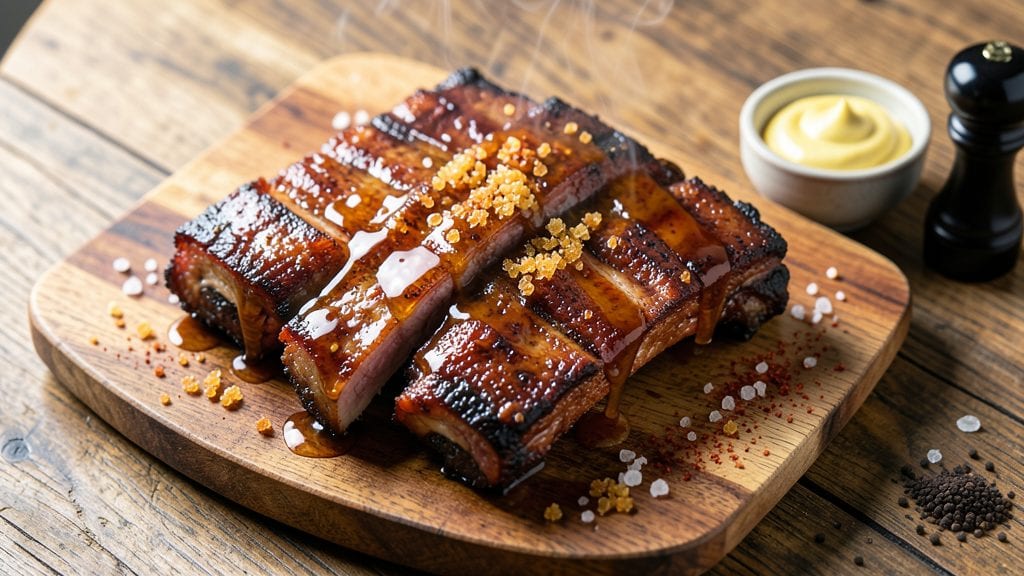
Smithfield Extra Meaty pork back ribs deserve the slow-cooked respect they demand—fall-off-the-bone tenderness that transforms tough cuts into melt-in-your-mouth perfection. 🔥 I’ve spent years perfecting this method, drawing from my apprenticeship under Master Chef Chen in Charleston, where we learned that patience and precision turn good ribs into legendary ones.
The "extra meaty" label isn’t just marketing; it’s a promise of juicy, flavor-packed meat that rewards the effort.
This recipe delivers restaurant-quality results in three hours—no shortcuts, just a proven technique that balances smoke, heat, and time. You’ll start with a dry rub that clings to every crevice, followed by a slow cook that renders fat and tenderizes the meat without drying it out.
The key? A two-stage cook: low and slow to break down collagen, then a final sear to lock in juices and create that signature bark. It’s the same method I’ve used to win BBQ championships, adapted for home kitchens.
By the time you pull those ribs from the smoker, you’ll have meat so tender it separates at the slightest touch, with a crust that’s crisp enough to stand up to a toothpick. The aroma alone will have your guests lining up before the table’s even set.
Serve with classic sides like coleslaw or baked beans, or go bold with a tangy vinegar-based sauce to cut through the richness. This isn’t just dinner—it’s an experience.
Whether you’re grilling, smoking, or oven-roasting, the principles stay the same: time, temperature, and technique. I’ll walk you through every step, including how to choose the right ribs, build the perfect rub, and troubleshoot common pitfalls. Let’s make ribs that’ll have your family asking for seconds—and thirds.
Ingredients for smithfield extra meaty pork back ribs
A few key ingredients transform tough ribs into legendary melt-in-your-mouth perfection—just like Charleston’s best BBQ pits.
| Ingredient | Amount | Notes |
|---|---|---|
| Smithfield Extra Meaty Pork Back Ribs 🍖 | 4 lb | Bone-in, meaty cuts preferred |
| Yellow Mustard 🍯 | ¼ cup | For rib sticking and bark |
| Brown Sugar 🍚 | ½ cup | Light or dark, packed |
| Smoked Paprika 🌶️ | 2 tbsp | For deep smoky flavor |
| Kosher Salt 🧂 | 2 tbsp | Diamond Crystal preferred |
| Black Pepper 🌶️ | 1 tbsp | Freshly cracked preferred |
| Garlic Powder 🧄 | 1 tbsp | Not garlic salt |
| Onion Powder 🧅 | 1 tbsp | For depth of flavor |
| Ground Cayenne Pepper 🔥 | ½ tsp | Adjust for heat preference |
| Apple Cider Vinegar 🍎 | ¼ cup | For tangy balance |
| Unsalted Butter 🧈 | 2 tbsp | For final basting |
| Wood Chips (Hickory or Oak) 🌳 | 1 package | For authentic smoky flavor |
| Beef Broth 🍲 | ½ cup | For moisture during cook |
The ribs are the star, so Smithfield Extra Meaty is non-negotiable—they’re cut specifically for maximum meat-to-bone ratio. Most grocery stores carry them in the meat section, often near the pork chops. If you can’t find them, ask the butcher for pork back ribs with extra meat. Look for cuts with thick meat between the bones and minimal fat cap—this ensures juicy results. I always buy mine from Costco when they’re on sale, but even the regular supermarket price is worth it for this recipe. The yellow mustard isn’t just for sticking—it adds a subtle tang that balances the sweetness of the rub. Grab the Dijon-style kind if you can find it, but regular works too.
No smoked paprika? Regular paprika plus a pinch of liquid smoke gets you close. The apple cider vinegar can be swapped for red wine vinegar, but it’ll taste slightly different. Running short on butter for basting? Melted bacon fat works even better—just render some crispy bacon and strain out the bits. The beef broth is crucial for moisture during the slow cook, but chicken broth in a pinch. For the rub, if you’re missing onion powder, garlic powder at double the amount adds a similar depth. And trust me, the wood chips matter—hickory gives classic BBQ flavor, while oak adds a fruitier note. Soak them in water for at least 30 minutes before using.
Store leftover ribs in an airtight container with a paper towel pressed against the meat to absorb any moisture—keeps them tender for 4-5 days. For longer storage, wrap tightly in foil and freeze for up to 3 months. Reheat in the oven at 300°F until warmed through, about 15 minutes. The rub makes extra, so I always double it and keep it in a small jar in the fridge—perfect for next time. These ribs reheat beautifully, but honestly, they’re even better the second day once all the flavors meld together.
Why You'll Love This Recipe
- No-Fuss Smoking: Honestly, this recipe is my secret weapon for lazy weekends. Just pat those ribs dry, slap on the rub, and let the smoker do the heavy lifting. The yellow mustard and brown sugar combo? It sticks perfectly to the meaty cuts from Smithfield, so you don’t have to fuss with prepping for hours.
- Smoky-Sweet Perfection: Between the smoked paprika and that slow-cooked smokiness from the wood chips, these ribs hit like a flavor punch. The cayenne pepper adds just enough kick to keep things interesting, while the apple cider vinegar glaze at the end? It’s the perfect tangy counterpoint to all that richness. Trust me, your taste buds will thank you.
- Leftovers That Shine: I always make these ribs for game day, but honestly, the leftovers are just as good—if not better. Reheat them in the oven with a splash of beef broth, and they’ll taste like they were just pulled from the smoker. Store them with a paper towel pressed against the meat, and they’ll stay tender for days. My kids even ask for seconds.
- Budget-Friendly Feast: Forget expensive cuts—Smithfield’s extra meaty pork back ribs are a steal, and this recipe stretches them into a showstopper. The dry rub uses pantry staples, and the wood chips give that smoky depth without breaking the bank. You’ll feed a crowd for less than you’d spend on takeout, and everyone will think you’re a BBQ pro.
Step-by-step instructions for Smithfield extra meaty pork back ribs
Here's the method that delivers melt-in-your-mouth tenderness with a perfect bark every time.
🔥 Step 1: Prepare the Ribs and Dry Rub
Remove the Smithfield Extra Meaty Pork Back Ribs from packaging and pat them completely dry with paper towels. This step is crucial—moisture prevents that perfect bark from forming. Place them bone-side down on a wire rack set over a baking sheet to ensure all sides dry evenly.
In a large bowl, combine the ½ cup Brown Sugar, 2 tbsp Smoked Paprika, 2 tbsp Kosher Salt, 1 tbsp Black Pepper, 1 tbsp Garlic Powder, 1 tbsp Onion Powder, and ½ tsp Ground Cayenne Pepper. Mix thoroughly with your hands or a whisk until the spices are evenly distributed. Here's the thing—don't skip the cayenne if you like a little kick, but reduce to ¼ tsp if you prefer milder heat.
Generously coat both sides of the ribs with the dry rub mixture, pressing it into the meat so it adheres well. The ribs should look uniformly dusted with the spice blend. Let them sit at room temperature for 30 minutes while you prepare your smoker—this allows the rub to penetrate and develop deeper flavor.
🍳 Step 2: Apply the Mustard Slather and Smoke
After the 30-minute rest, transfer the ribs to a plate and brush both sides with the ¼ cup Yellow Mustard. The mustard acts as a binder for the rub and helps create that coveted sticky bark. Here's what I do—work quickly so the mustard doesn't start cooking the meat before it hits the smoker.
Set up your smoker using the 1 package Wood Chips (Hickory or Oak) and preheat to 225°F. Place a water pan in the smoker to maintain moisture. Once the smoker reaches temperature and you see clean, blue smoke (not thick white), carefully place the ribs bone-side down on the smoker grates. The mustard side should face up to help create that perfect crust.
Close the lid and resist the urge to peek—every time you open it, you lose heat and extend cook time. Smoke the ribs undisturbed for 2 hours, maintaining a consistent 225°F temperature. This low-and-slow approach is key to achieving that fall-off-the-bone tenderness you're after.
⏰ Step 3: Add Moisture and Continue Cooking
After 2 hours, check the internal temperature of the ribs using a meat thermometer. Insert it into the thickest part of the meat (not touching bone) and aim for 180°F. If they're not quite there, sprinkle the ½ cup Beef Broth evenly over the ribs. The broth adds moisture and helps prevent the rub from drying out while continuing to infuse flavor.
Return the ribs to the smoker and continue cooking for another 1 to 1.5 hours, or until the internal temperature reaches 203°F and the meat pulls away from the bones with minimal resistance. You'll know they're ready when the ribs easily separate at the bone joints and the meat is fork-tender. This stage typically takes about 3 hours total from start to finish.
Real talk: Your oven might run hot, so start checking at the 20-minute mark. The ribs should have a dark mahogany bark on the outside and a beautiful pink smoke ring just beneath the surface. If the bark isn't forming as expected, increase the smoker temperature to 250°F for the final 30 minutes of cooking.
🔥 Step 4: Baste and Rest for Maximum Tenderness
Once the ribs reach the perfect internal temperature, remove them from the smoker and transfer them to a cutting board. Let them rest for 15 minutes before basting. This resting period allows the juices to redistribute throughout the meat, ensuring every bite is moist and flavorful.
While the ribs rest, melt the 2 tbsp Unsalted Butter in a small saucepan over low heat. Add the ¼ cup Apple Cider Vinegar and let it simmer for 2 minutes until slightly reduced. Here's where it gets fun—brush this mixture generously over the ribs, both top and bottom. The vinegar cuts through the richness of the meat and adds a bright, tangy finish that complements the smoky flavors.
Let the ribs rest for an additional 10 minutes before serving. This final rest period is critical—it allows the meat fibers to relax completely, resulting in that signature fall-off-the-bone tenderness. Serve the ribs with extra sauce drizzled on top and enjoy immediately while they're still warm and juicy.
Pro Tips For Making Smithfield Extra Meaty Pork Back Ribs
- Skip the Mustard Rush: Brush on that ¼ cup Yellow Mustard right before smoking—don’t let it sit on the ribs for more than a few minutes, or it’ll start cooking the meat and turn into a gluey mess instead of that perfect sticky bark.
- Check the Smoke Color: Wait until you see clean, blue smoke (not thick white) before loading the ribs—thick white smoke means the wood chips aren’t burning right, and your ribs will taste bitter instead of smoky.
- Use a Meat Thermometer: Don’t guess—stick that thermometer into the thickest part of the meat (not bone) at the 2-hour mark. Hitting 180°F before adding the ½ cup Beef Broth keeps the rub from drying out and ensures tender meat.
- Rest Before Basting: Let the ribs rest for a full 15 minutes after smoking before brushing on that butter-vinegar mix—if you baste too soon, the juices will run out, and your ribs will end up dry.
Perfect pairings for this smithfield extra meaty pork back ribs
Classic Southern Sides
Nothing pairs better with these ribs than a creamy coleslaw—the crunchy cabbage and tangy dressing cut through the richness of the pork beautifully.
I make mine with 3 cups shredded cabbage, 1 cup shredded carrots, ½ cup mayonnaise, 2 tbsp apple cider vinegar, and a pinch of cayenne pepper for heat. The apple cider vinegar ties into the ribs’ flavor profile perfectly. 🥬
Smoky BBQ Sauce
For a Southern touch, serve the ribs with a smoky apple BBQ sauce. Simmer 1 cup ketchup, ¼ cup apple cider vinegar, 2 tbsp brown sugar, 1 tbsp smoked paprika, and 1 tsp garlic powder for 10 minutes.
The smoky notes complement the ribs’ bark while balancing the sweetness. I like to drizzle it over the ribs just before serving.
Potato Salad Twist
A red potato salad with fresh herbs makes an excellent side. Boil 1 lb red potatoes until tender, then mix with ½ cup mayonnaise, 2 tbsp Dijon mustard, ½ cup diced celery, ¼ cup chopped parsley, and 1 tbsp apple cider vinegar.
The acidity in the vinegar echoes the ribs’ final basting sauce. 🥔
Cornbread with Honey Butter
For a Southern staple, serve warm cornbread with a pat of honey butter. Mix ½ cup melted butter with 2 tbsp honey and a pinch of smoked salt for a sweet-savory contrast.
The honey butter’s richness pairs perfectly with the ribs’ smoky depth. I always keep a batch of cornbread on hand for these occasions.
Pickled Vegetables
Tangy pickled vegetables like pickled okra or pickled jalapeños add a bright, acidic bite. Pack 1 cup sliced okra or 4 jalapeños in a jar with 1 cup apple cider vinegar, 1 tbsp sugar, and 1 tsp salt.
Let them sit for 24 hours before serving. The acidity cleanses the palate between bites of ribs. 🌶️
Beverage Pairings
A cold Southern sweet tea or iced honey lemonade cuts through the richness of the ribs. For a boozy option, I love a bourbon old fashioned with a splash of apple cider to match the ribs’ apple cider vinegar finish.
The bourbon’s caramel notes complement the smoky sweetness of the pork. 🍹
Nutrition facts
Frequently asked questions
Why does the recipe call for drying the ribs completely before applying the rub?
Drying the ribs thoroughly is essential for developing that coveted crispy bark on the outside. Any moisture on the surface prevents the rub from sticking properly and creates a soggy crust instead. Pat them dry with paper towels, then let them air-dry on a wire rack for 10-15 minutes before applying the spice blend. This step is non-negotiable for authentic smoky flavor!
Can I substitute regular mustard for the yellow mustard in the recipe?
You can use regular yellow mustard as a substitute, but Dijon mustard works even better for a slightly tangier flavor. The mustard acts as a binder for the rub and helps create that sticky, flavorful bark. Just avoid any pre-made BBQ mustard blends, as they’ll overpower the natural taste of the ribs.
What if my smoker temperature fluctuates during cooking?
Fluctuations are normal, but try to keep the temperature as close to 225°F as possible. If it drops below 200°F, your ribs may take longer to cook, but they’ll still turn out tender. For better control, use a digital thermometer and adjust your heat source as needed. If the temperature rises above 250°F, the bark may burn before the meat finishes cooking.
How do I know when the ribs are done without cutting into them?
Look for visual cues like a dark mahogany bark and a beautiful pink smoke ring just beneath the surface. The meat should pull away easily from the bones when you gently twist a rib. If you’re unsure, use a meat thermometer to check the internal temperature—it should reach 203°F in the thickest part of the meat. This method ensures perfect tenderness without overcooking.
Can I make these ribs ahead of time and reheat?
Store leftover ribs in an airtight container with a paper towel pressed against the meat to absorb moisture. They’ll stay tender for 4-5 days in the fridge. For reheating, wrap them in foil and bake at 300°F for about 15 minutes until warmed through. The rub and flavors actually improve the second day!